Trash Room Odor Control NYC: Solutions for High-Rise & Mid-Rise Buildings

Trash Room Odor Control in New York City: Solutions for High-Rise and Mid-Rise Apartment Buildings
In New York City, thousands of residents live above, beside, or near garbage collection areas. In high-rise and mid-rise apartment buildings, trash rooms, garbage chutes, compactors, and waste storage areas are essential parts of daily operations—but they can also become persistent sources of unpleasant odors.
For property managers and building owners, trash room odor control in NYC is more than a cleaning concern. Strong garbage odors can migrate into hallways, elevators, lobbies, service corridors, and even residential units, affecting the comfort of residents and creating recurring maintenance complaints.
This challenge is particularly relevant to New York's densely populated residential buildings, where large volumes of waste are handled in relatively confined spaces.
At Ecolo Odor Control Technologies, we specialize in professional odor-control solutions designed to address unwanted odors rather than simply covering them with stronger fragrances.
Through specialized odor counteractants and automated delivery systems, Ecolo helps property managers develop practical odor-management strategies for high-rise and mid-rise residential buildings.
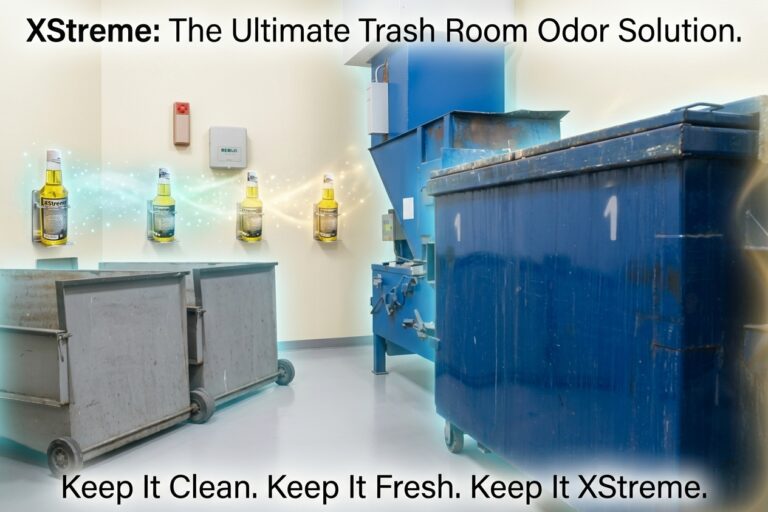
1. Why Trash Room Odors Are a Common Problem in New York City Buildings
New York City residential buildings generate significant amounts of waste every day.
In high-rise apartment buildings, garbage may travel through vertical trash chutes from multiple floors before reaching a centralized collection room or compactor.
In mid-rise buildings, waste is often collected in shared garbage rooms, basement storage areas, or designated collection spaces.
Both arrangements can create odor challenges.
High Waste Volumes in Limited Spaces
A residential building with 100, 200, or 400 apartments can generate substantial quantities of household waste.
Food scraps, packaging, liquids, pet waste, and other organic materials accumulate in garbage containers and compactors.
When waste remains in an enclosed area between collection periods, decomposition can produce unpleasant odors.
Limited Ventilation
Many New York apartment buildings have garbage rooms located in basements, enclosed service areas, or spaces with limited airflow.
If ventilation is inadequate or poorly balanced, odors can accumulate and migrate into nearby occupied areas.
Warm Temperatures and Humidity
During New York's warmer months, elevated temperatures can accelerate organic decomposition and increase the release of certain odorous compounds.
This can make summer particularly challenging for property maintenance teams.
Continuous Resident Activity
In large apartment buildings, residents dispose of garbage throughout the day and night.
Unlike a commercial facility with predictable operating hours, a residential trash chute may receive waste almost continuously.
That makes consistent odor management especially important.
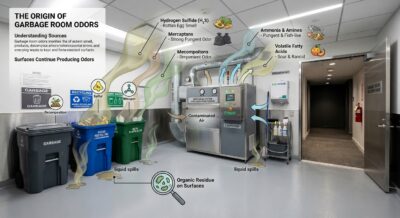
2. Where Do Garbage Room Odors Come From?
Understanding the source of the odor is the first step toward selecting an effective treatment strategy.
Garbage rooms can contain a complex mixture of compounds generated through organic decomposition.
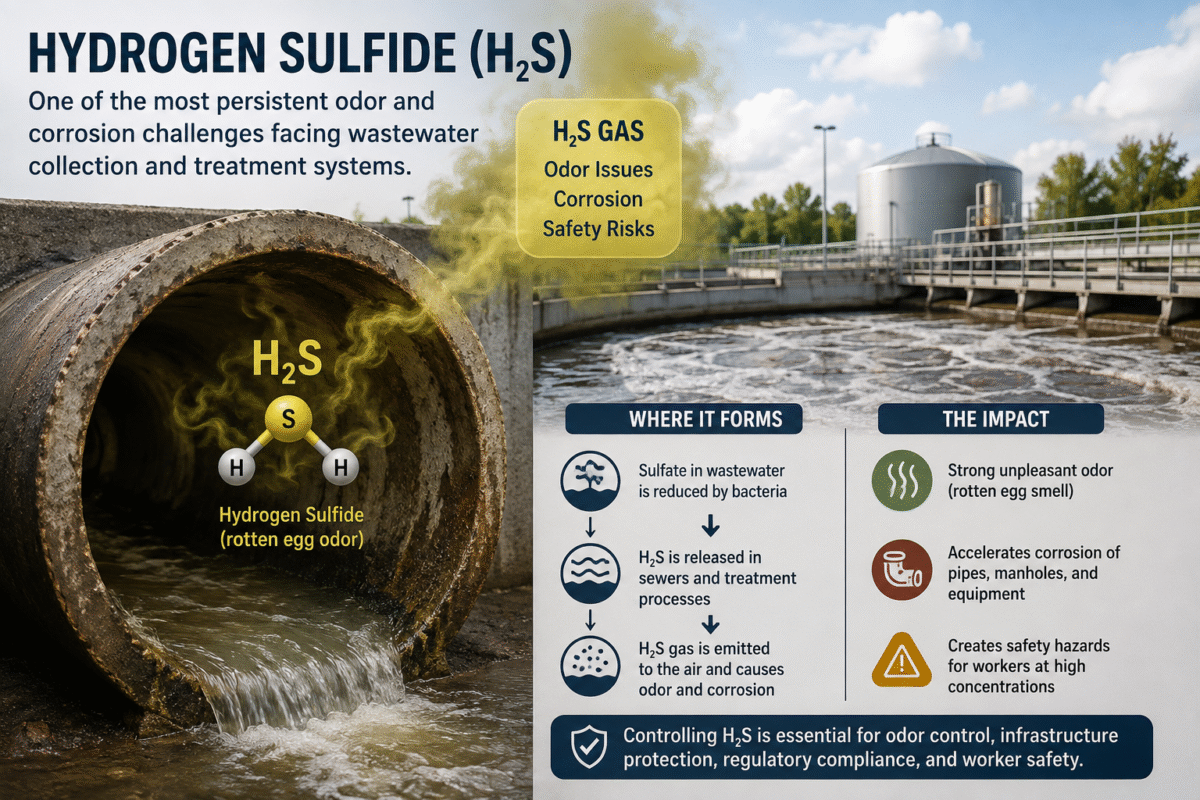
Hydrogen Sulfide (H₂S)
Hydrogen sulfide is commonly associated with a rotten-egg smell.
It may develop when sulfur-containing organic material decomposes under oxygen-deficient conditions.
Mercaptans
Mercaptans are sulfur-containing compounds that can generate strong, unpleasant odors even at relatively low concentrations.
Ammonia and Amines
Protein-rich food waste and other nitrogen-containing organic materials can release ammonia and amines during decomposition.
These compounds may contribute sharp, pungent, or fish-like odors.
Volatile Fatty Acids
Decomposing food waste can generate volatile fatty acids, which contribute sour, rancid, or spoiled-food odors.
Organic Residue
Garbage bags may leak, leaving liquids and organic residues on floors, compactor surfaces, bins, and chute termination areas.
Even after the garbage itself has been removed, these contaminated surfaces can continue producing unpleasant odors.
This is why simply removing the trash does not always eliminate the smell.
3. Why Traditional Air Fresheners Are Not Enough
One of the most common approaches to garbage room odor is to use conventional air fresheners or heavily fragranced deodorizing products.
These products may temporarily improve the perceived scent of a room, but they do not necessarily address the malodorous compounds responsible for the problem.
For example, spraying a strong citrus fragrance into a garbage room may create a mixture of citrus and decomposing waste odors.
The original odor source remains.
For high-rise residential buildings, where odor complaints may occur repeatedly, this approach can become inefficient.
Professional odor control should focus on reducing the unwanted odor, not simply making the room smell like something else.
Ecolo's odor-counteractant technologies are designed to interact with malodorous compounds and reduce their perceived intensity when properly selected and applied.
This creates an alternative to relying exclusively on fragrance masking.
4. Ecolo's Odor-Control Solutions for NYC Garbage Rooms
Different buildings require different treatment strategies.
A 15-story condominium with one compactor room may require a different configuration from a 40-story residential tower with multiple trash chutes.
Ecolo offers several technologies that can be evaluated according to the building layout, odor source, ventilation, and operating requirements.
AirSolution: Water-Based Odor Counteractants
Ecolo's AirSolution product line includes water-based odor-counteractant formulations designed for various industrial, commercial, and waste-management applications.
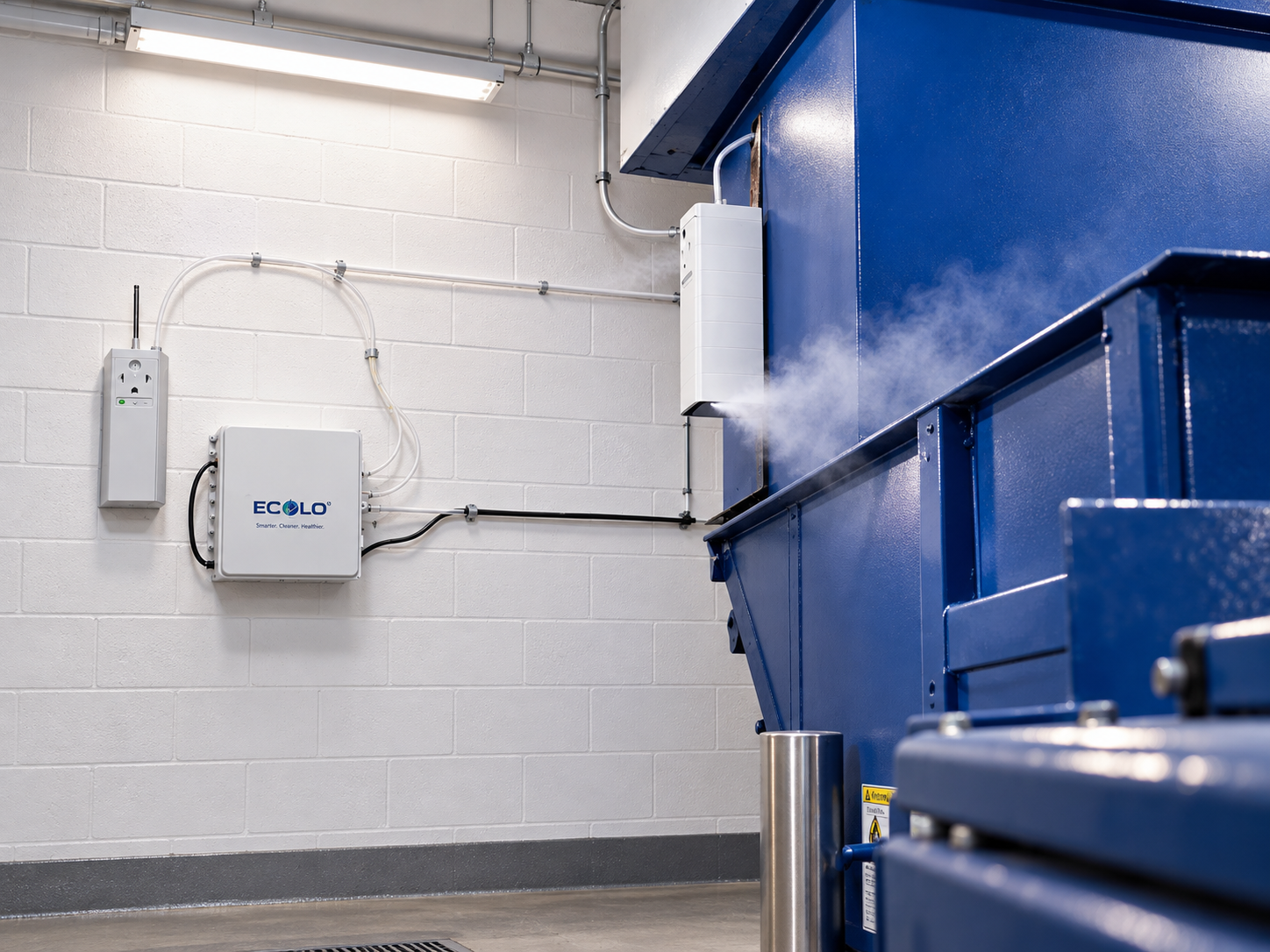
For garbage rooms and waste-handling areas, an appropriately selected AirSolution formulation can be distributed through an engineered misting or atomization system.
The objective is to treat airborne malodors near the source.
Potential applications include:
Central garbage rooms
Compactor areas
Trash chute termination rooms
Waste storage areas
Recycling and collection rooms
Service corridors where odor originates from nearby waste operations
Product selection depends on the odor profile, ventilation conditions, and delivery equipment.
XStreme: Waterless Vapor-Based Odor Control
Some buildings may benefit from a waterless odor-control approach.
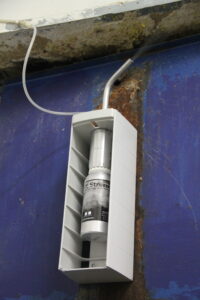
Ecolo's XStreme product family includes oil-based vapor odor counteractants suitable for selected commercial and waste-handling applications.
For example, XStreme formulations such as 8023 and 8023M can be considered for garbage room odor-management applications, subject to technical review.
These formulations can be distributed using compatible vapor delivery equipment.
A waterless system may be attractive in buildings where property managers prefer to avoid installing water lines or high-pressure misting networks.
The appropriate solution depends on the space, equipment compatibility, and operating conditions.
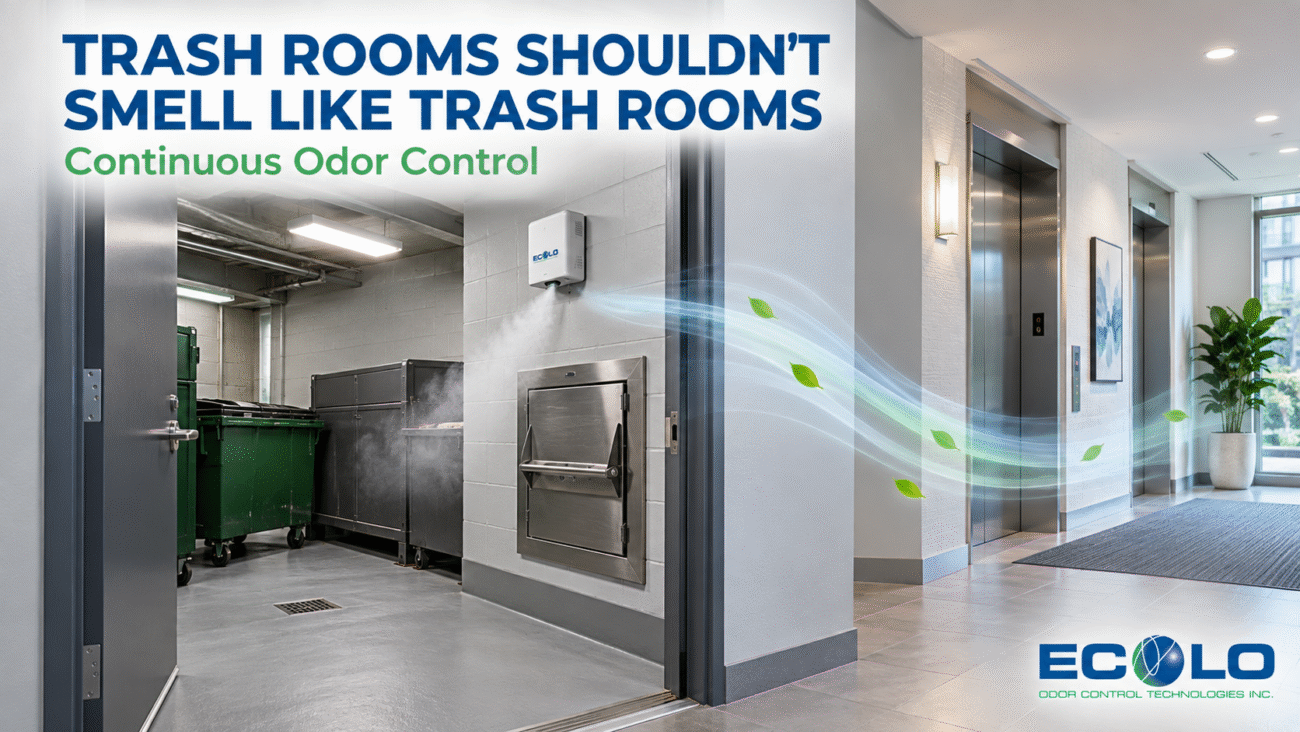
5. Automated Odor Control: A Practical Solution for High-Rise Buildings
One of the biggest challenges for New York property managers is maintaining consistent odor control without adding unnecessary work for maintenance personnel.
A building may have an employee spray deodorizer every morning, but odors can return several hours later.
A more consistent approach is to use automated equipment.
How Automated Odor-Control Systems Work
An automated system distributes a selected odor-control formulation according to a programmed operating schedule.
Depending on the application, the system may use:
Water-based misting
Waterless vapor diffusion
Localized treatment equipment
Multiple treatment points
Adjustable operating cycles
The system is configured around the building's actual odor-control requirements.
For example, a garbage room may require more frequent treatment during periods of heavy waste accumulation and less frequent treatment after collection.
Benefits for Property Management Teams
Automated odor control can provide several operational advantages:
More consistent treatment throughout the day
Reduced reliance on manual spraying
Adjustable treatment frequency
Localized application near odor sources
Easier integration into routine maintenance schedules
Potentially more predictable product consumption
The objective is to make odor management a repeatable building operation rather than an ongoing emergency response.
6. AirPro and Vapor Station Systems for Apartment Buildings
Ecolo provides application equipment that can be configured for different building environments.
AirPro Systems
AirPro equipment is designed for controlled distribution of compatible water-based odor-control formulations.
Depending on the installation, AirPro technology can be used with appropriately positioned treatment outlets to address odors in designated waste-handling areas.
Potential applications include centralized garbage rooms and other spaces where misting is suitable.
Installation planning should consider ventilation, moisture-sensitive equipment, available utilities, and the treatment area's dimensions.
Vapor Station Systems
Ecolo's Vapor Station technology provides a delivery option for compatible XStreme formulations.
For certain garbage room applications, a waterless vapor approach can offer practical installation advantages.
Potential benefits include:
No water supply required for vapor generation
Compact treatment configurations
Programmable operation, depending on system setup
Application in selected enclosed waste-handling spaces
Reduced need for manual deodorizer application
For New York buildings with limited space and complex utility layouts, compact equipment can be an important consideration.
The right system is not necessarily the largest or most powerful. It is the system that fits the building's actual needs.

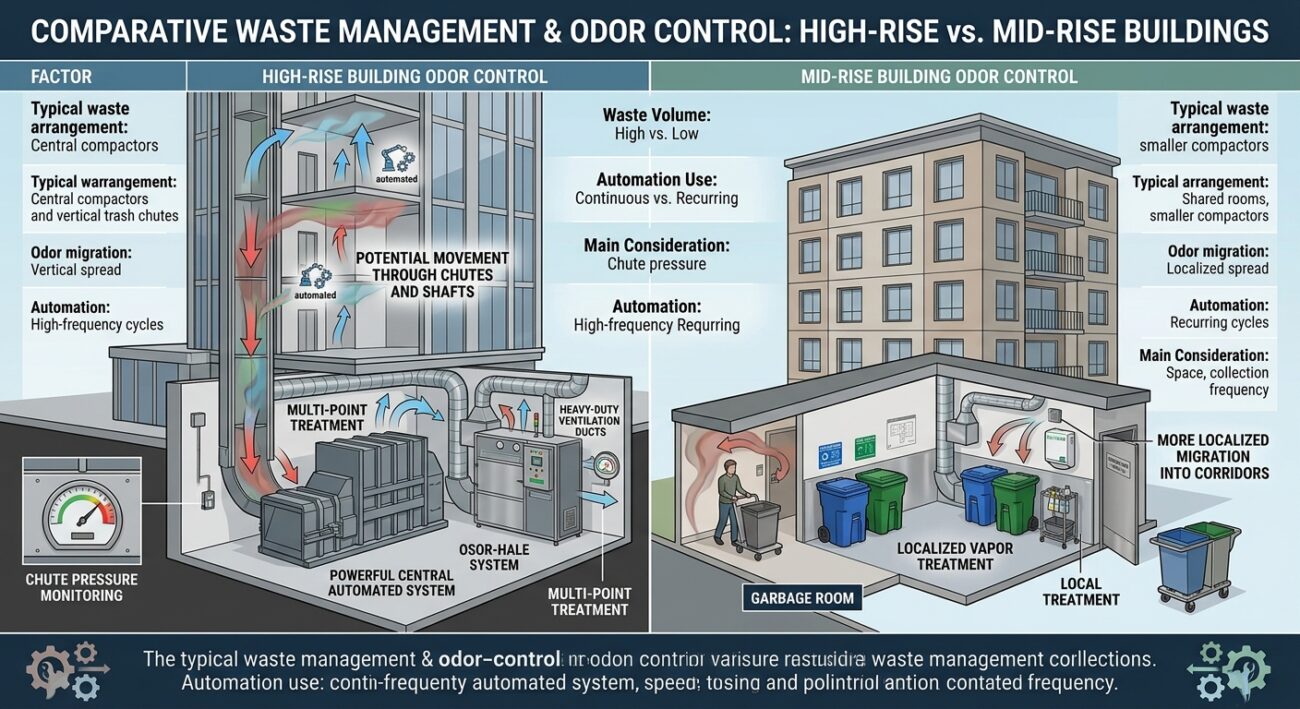
7. High-Rise vs. Mid-Rise Trash Room Odor Control
Although both building types experience garbage odors, their operational requirements can differ.
| Factor | High-Rise Buildings | Mid-Rise Buildings |
|---|---|---|
| Typical waste arrangement | Central compactors and vertical trash chutes | Shared garbage rooms, bins, or smaller compactors |
| Odor migration | Potential movement through chutes, shafts, and service areas | More localized migration into adjacent corridors or occupied areas |
| Waste volume | Often higher, depending on occupancy | Often lower, depending on occupancy |
| Treatment strategy | Centralized or multi-point odor control | Localized odor-control equipment |
| Automation | Useful for continuous waste-handling activity | Useful for recurring collection and storage cycles |
| Main consideration | Chute pressure, ventilation, and compactor room conditions | Space limitations, collection frequency, and room ventilation |
A high-rise may benefit from a centrally installed system treating the compactor room, while a smaller mid-rise may only require localized vapor treatment.
Neither approach should be selected without evaluating the actual building.
8. Trash Chute Odor Control in New York High-Rise Buildings
Trash chutes introduce additional challenges because they connect multiple floors to one centralized waste collection point.
When residents deposit garbage, the material travels through the chute and enters a compactor or collection container.
Over time, organic residue can accumulate inside the chute.
Odors may also move through the system depending on pressure differences, ventilation, chute doors, and the condition of the garbage room.
Why Odors Travel Between Floors
Several conditions can contribute to odor migration:
Poorly sealed chute doors
Inadequate chute ventilation
Pressure differences between floors
Accumulated organic residue
Compactor room odors
Improperly maintained exhaust systems
How Ecolo Can Help
Ecolo can evaluate odor treatment at the collection point and other appropriate locations.
In some buildings, treating the garbage room can help reduce the concentration of malodors near the bottom of the chute.
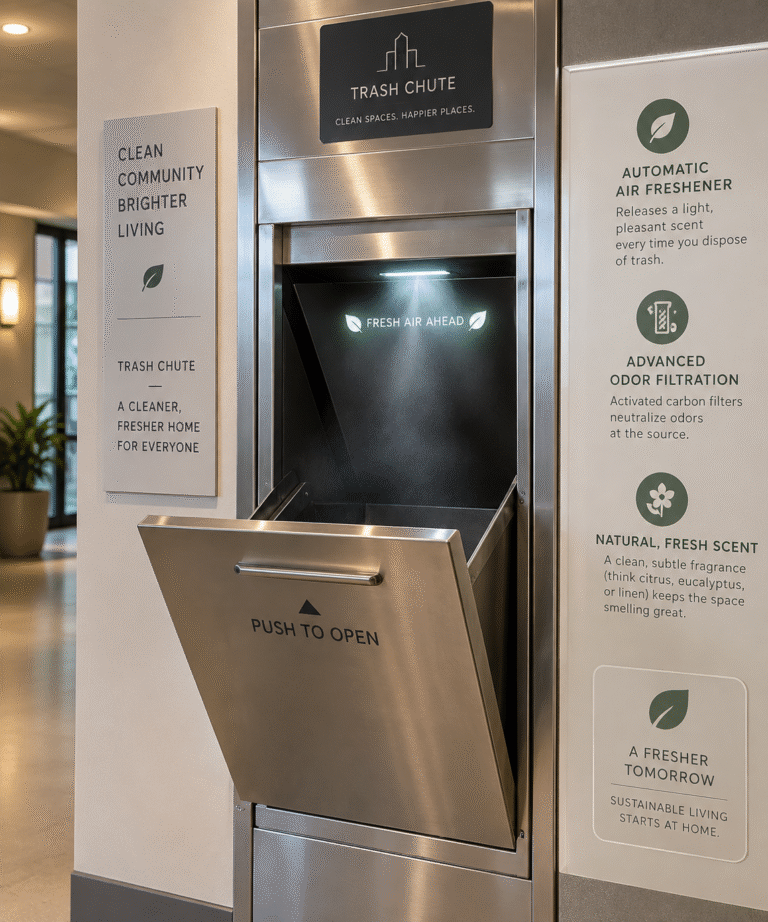
However, chemical treatment alone cannot correct damaged chute doors, inadequate exhaust, or building pressure problems.
A comprehensive approach may involve both odor counteractants and improvements to cleaning, ventilation, and maintenance practices.

9. Garbage Room Odor Control for Luxury Apartments and Condominiums
Luxury residential properties in Manhattan, Brooklyn, and other parts of New York City place considerable emphasis on resident experience.
Residents expect clean, comfortable common areas and professionally maintained facilities.
Unfortunately, even premium buildings can experience odor problems in:
Garbage rooms
Service elevators
Loading areas
Basement corridors
Recycling rooms
Compactor spaces
These odors may affect nearby occupied spaces if not properly managed.
For luxury property managers, a professional odor-control program can become part of maintaining consistent service standards.
The objective is not to introduce a strong fragrance throughout the building.
It is to prevent unpleasant waste odors from interfering with the residential environment.
10. Supporting NYC Property Management and Maintenance Companies
Ecolo works with building operators and service providers to develop application-specific odor-control solutions.
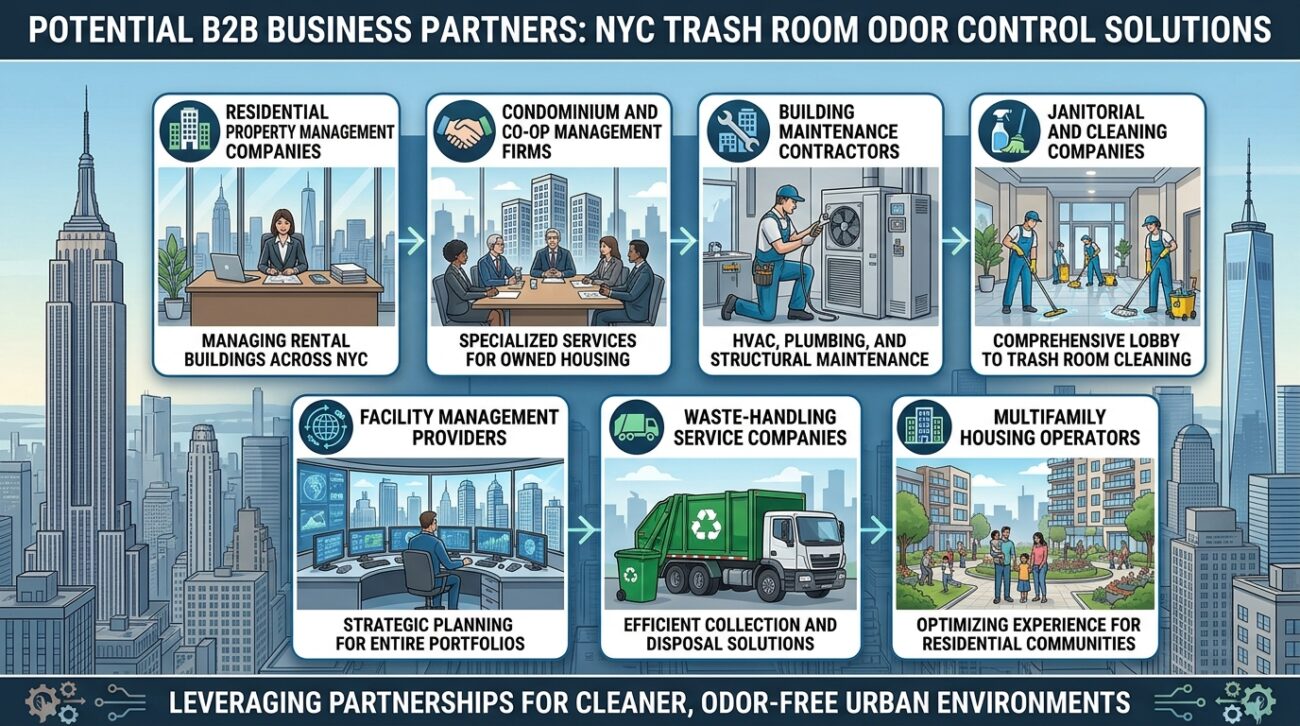
For New York City, potential partners include:
Residential property management companies
Condominium and co-op management firms
Building maintenance contractors
Janitorial and cleaning companies
Facility management providers
Waste-handling service companies
Multifamily housing operators
Many of these businesses already provide cleaning, maintenance, waste management, or building services.
Adding specialized odor-control technology can complement their existing offerings.
For property management companies operating multiple buildings, standardized equipment and treatment procedures may also simplify maintenance planning and product supply.
However, each property should still be assessed individually to determine the appropriate configuration.
11. How to Design an Odor-Control Program for an NYC Apartment Building
A successful odor-control program begins with understanding the building.
Ecolo's evaluation process focuses on several important factors.
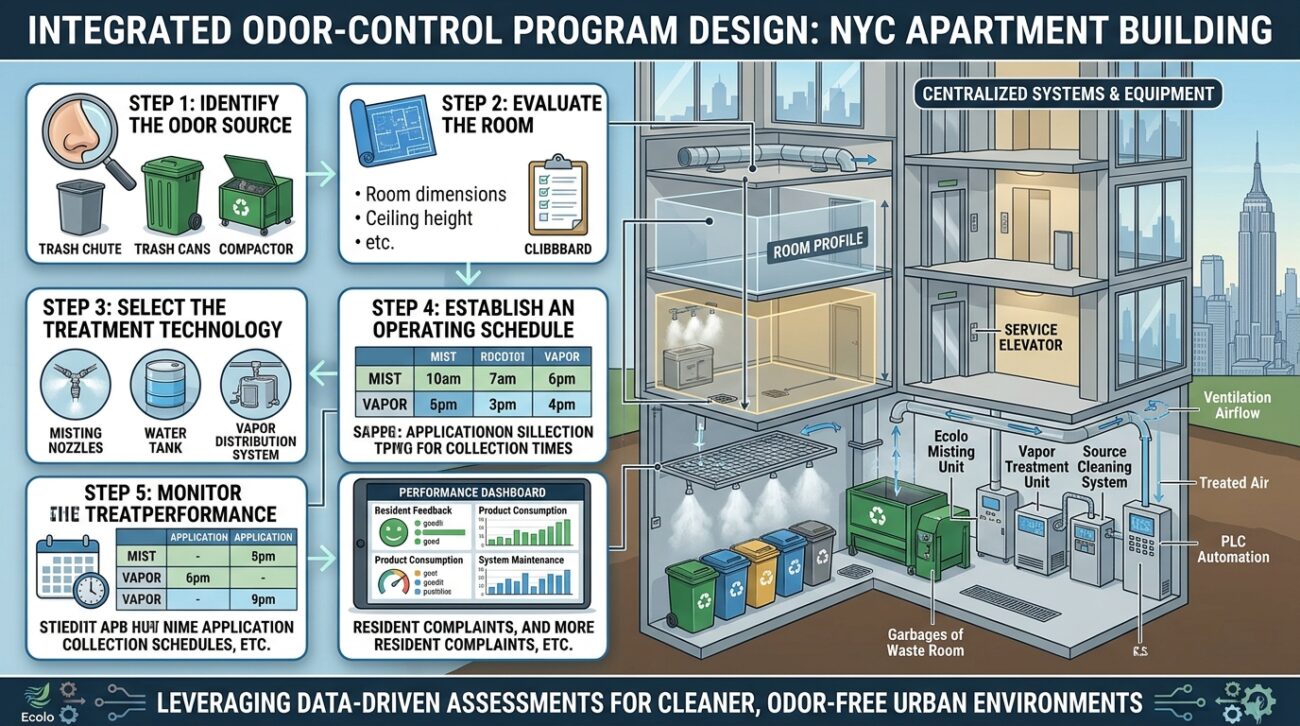
Step 1: Identify the Odor Source
Determine whether the primary problem originates from the compactor, garbage bins, trash chute, floor drains, contaminated surfaces, or another source.
Step 2: Evaluate the Room
Review:
Room dimensions
Ceiling height
Ventilation and exhaust
Waste volume
Compactor configuration
Collection schedule
Available electrical supply
Water availability
Nearby occupied areas
Step 3: Select the Treatment Technology
Determine whether the application is better suited to water-based misting, waterless vapor treatment, improved source cleaning, or a combination.
Step 4: Establish an Operating Schedule
Treatment frequency should reflect waste accumulation, odor intensity, and collection patterns.
Step 5: Monitor Performance
Track resident complaints, odor observations, product consumption, and maintenance requirements.
Adjust the program based on actual performance.
Where appropriate, a trial installation can help evaluate the proposed approach before expanding to additional buildings.
12. How Much Does Trash Room Odor Control Cost in NYC?
The cost of a professional odor-control system depends on several factors.
These include:
Garbage room size
Number of treatment locations
Odor intensity
Product selection
Water-based versus waterless equipment
Operating frequency
Installation requirements
Monthly chemical consumption
Maintenance needs
For a small mid-rise building, a compact localized system may be sufficient.
A larger residential tower with multiple waste-handling areas may require a more extensive configuration.
Instead of selecting equipment based only on initial purchase price, property managers should evaluate total operating costs, including solution consumption, maintenance, and staff time.
Ecolo can review the application and recommend a suitable system configuration and preliminary consumption estimate.
13. Frequently Asked Questions About NYC Trash Room Odor Control
What causes garbage room odors in apartment buildings?
Common causes include decomposing food waste, leaking garbage bags, contaminated bins, compactors, organic residue, and inadequate ventilation.
Can garbage room odors be controlled automatically?
Yes. Compatible misting or vapor systems can be programmed to provide regular treatment in selected waste-handling areas.
What is the best odor-control system for a high-rise apartment building?
The appropriate system depends on room size, waste volume, ventilation, and the odor source. Some buildings may benefit from water-based misting, while others may be better suited to waterless vapor treatment.
Can odor-control equipment be installed in existing buildings?
Many applications can be retrofitted with suitable equipment. Installation feasibility depends on available space, utilities, ventilation, and applicable building requirements.
Can Ecolo help with trash chute odors?
Ecolo can assess odor treatment around trash chute collection areas and garbage rooms. Chute cleaning, door seals, ventilation, and pressure management should also be addressed where necessary.
Do Ecolo products simply mask garbage odors?
Ecolo's odor-counteractant technologies are designed to reduce unwanted odor perception through interactions with malodorous compounds, rather than relying exclusively on fragrance masking.
Can one system serve multiple buildings?
A property management company may standardize its odor-control approach across multiple buildings, but equipment sizing and application requirements should be evaluated for each property.
14. Professional Trash Room Odor Control Across New York City
Ecolo Odor Control Technologies supports residential and commercial odor-control applications, including multifamily buildings and waste-handling environments.
We welcome inquiries from property managers, condominium boards, building owners, and maintenance companies across:
Manhattan: High-rise condominiums, luxury apartment towers, mixed-use residential buildings, and older buildings with centralized trash chutes.
Brooklyn: Mid-rise apartment buildings, new multifamily developments, residential towers, and condominium communities.
Queens: Residential complexes, apartment buildings, co-op communities, and mixed-use properties.
The Bronx: Multifamily housing developments, high-rise residential buildings, and managed apartment communities.
Staten Island: Residential properties, condominium buildings, and shared waste collection facilities.
Whether your property has a single garbage room or multiple waste-handling locations, the objective is the same: develop a practical odor-control program that fits the building's operations.
15. Partner With Ecolo for Apartment Garbage Room Odor Control
At Ecolo Odor Control Technologies, we understand that persistent garbage odors can become a recurring challenge for property management and maintenance teams.
Our approach combines specialized odor-control formulations with equipment designed for consistent, targeted application.
For NYC high-rise and mid-rise buildings, potential solutions include:
AirSolution: Water-based odor counteractants for suitable misting applications.
XStreme: Waterless vapor-based odor-control formulations for selected enclosed spaces.
AirPro: Controlled delivery equipment for compatible water-based applications.
Vapor Station: Compact vapor delivery equipment for compatible XStreme products.
By selecting the appropriate technology and treatment location, property managers can develop a more consistent approach to garbage room odor management.
Let's Make Garbage Room Odor Control One Less Thing Your Maintenance Team Has to Worry About
If you manage a high-rise or mid-rise apartment building in New York City and are experiencing persistent garbage room, trash chute, or compactor odors, Ecolo would be pleased to review your application.
We can help evaluate the odor source, room configuration, operating conditions, and treatment requirements to recommend an appropriate odor-control approach.
We also welcome collaboration with New York property management companies, building service contractors, and maintenance providers interested in offering specialized odor-control solutions to their customers.
Contact Ecolo Odor Control Technologies to discuss your NYC trash room odor-control needs.
Ecolo Odor Control Technologies Inc.
Website: www.ecolo.com | www.ecolofresh.com
Email: info@ecolo.com
Professional odor control for cleaner, more comfortable residential environments.