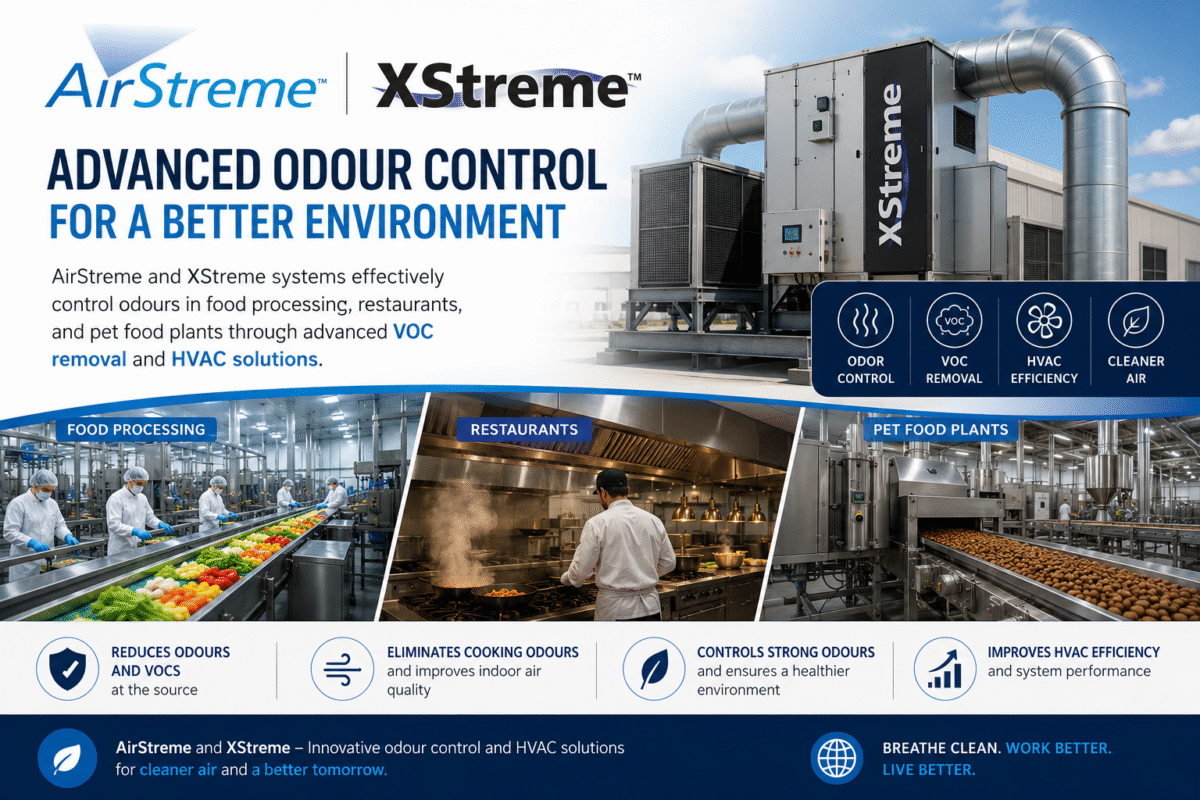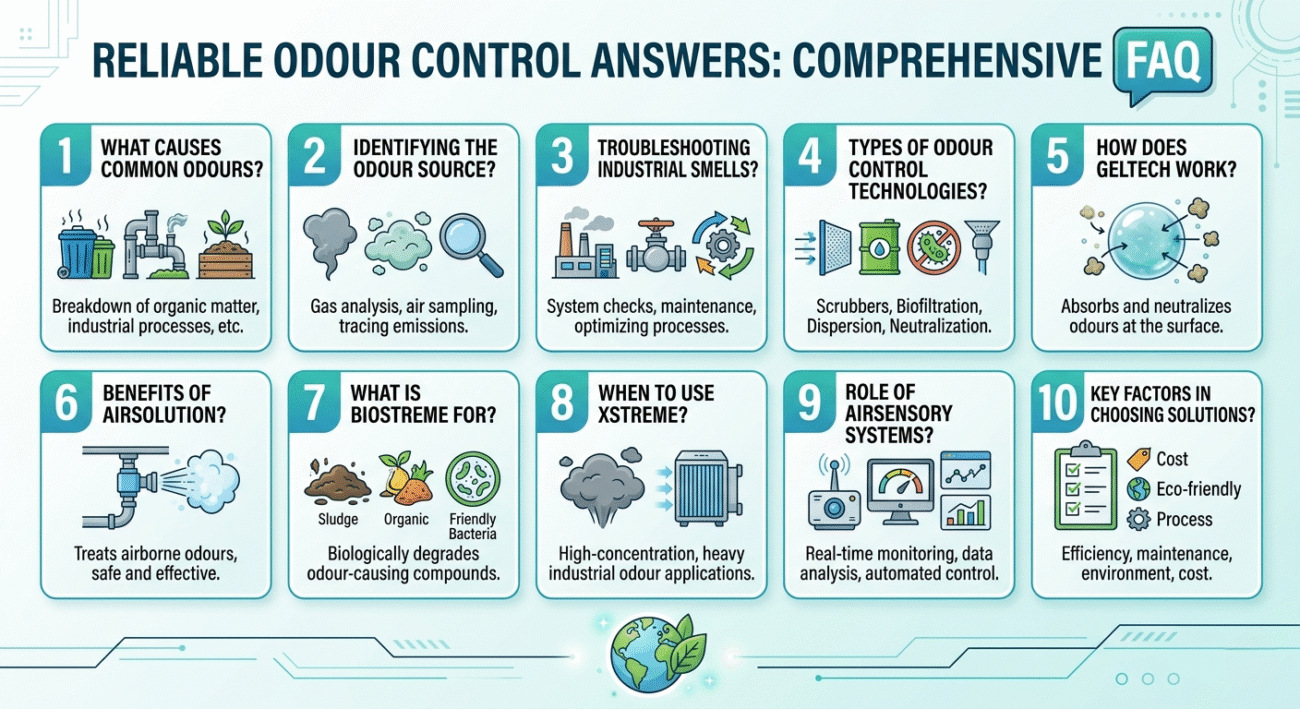

Food Processing Odours: Maintaining Compliance and Brand Integrity

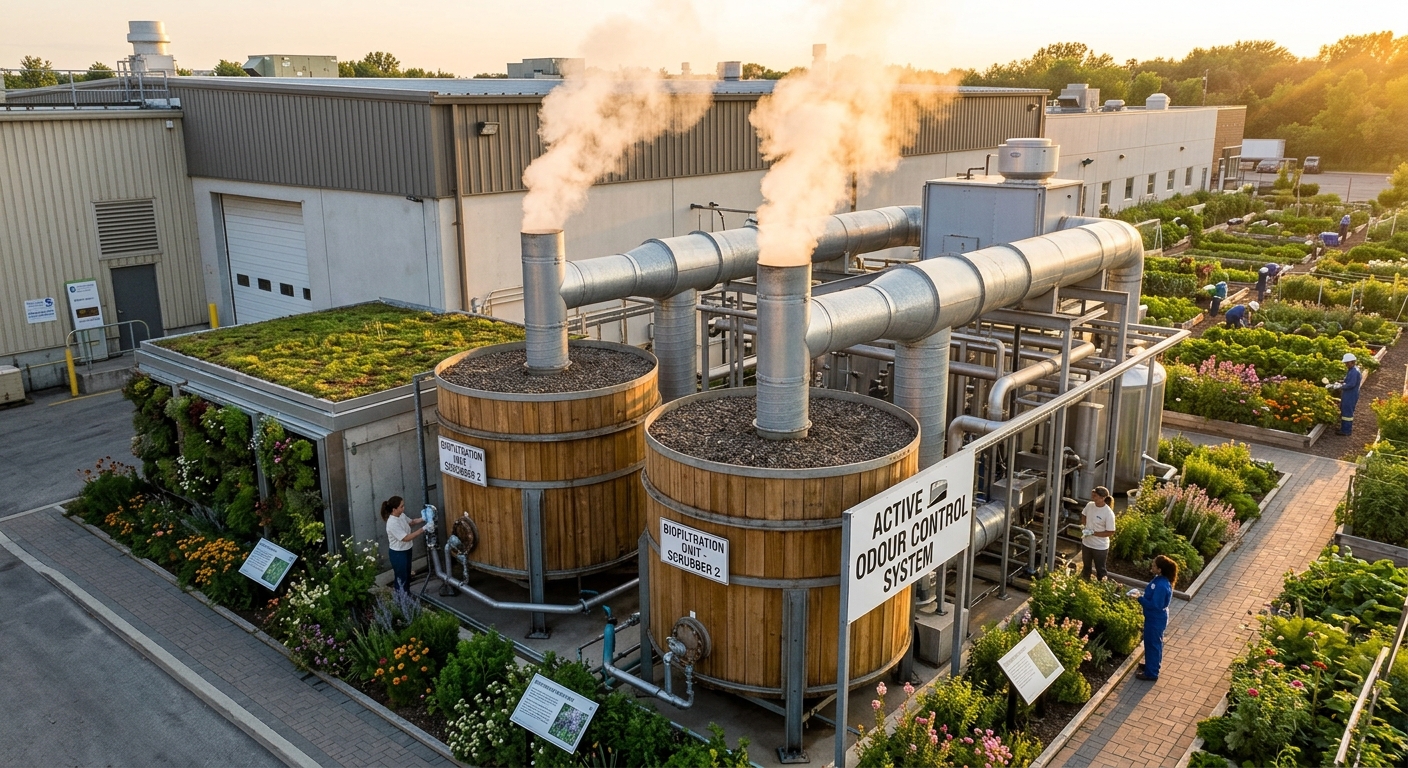
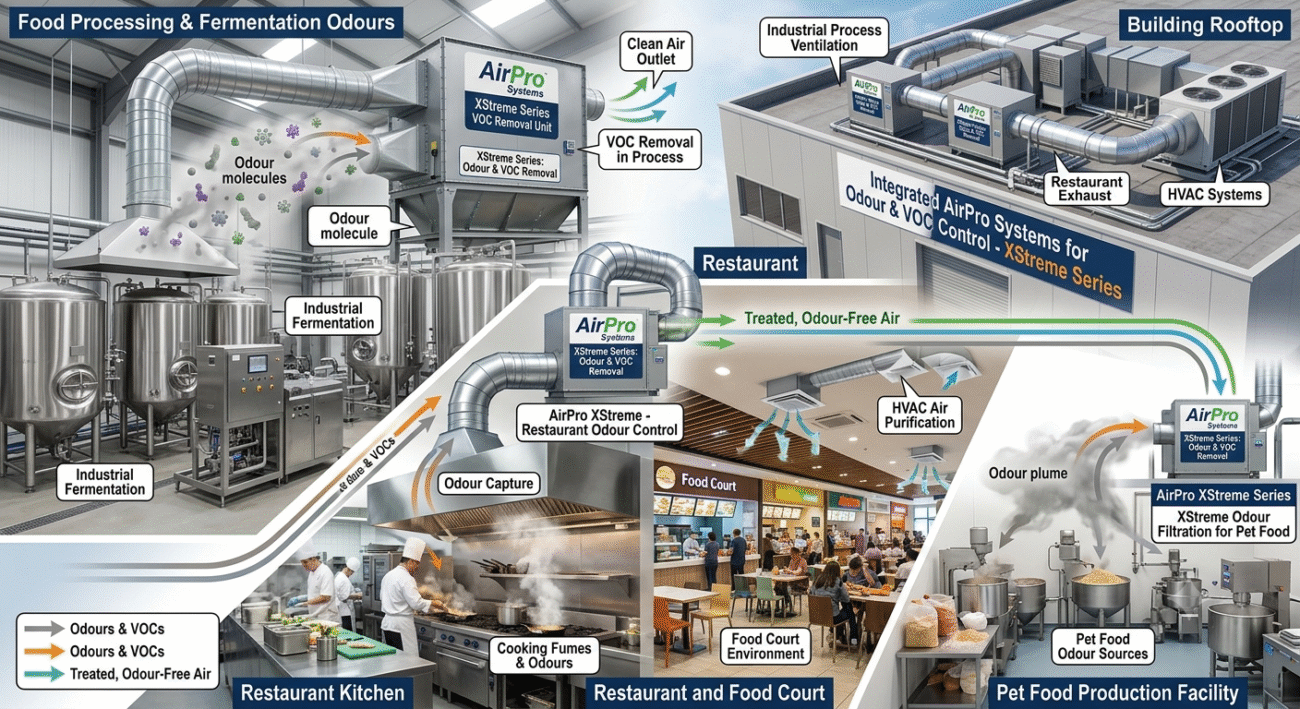
Food production is one of the most odour-intensive industries — and one of the most tightly regulated. From fermentation tanks and grease traps to pet food extrusion and sanitation drains, managing odour emissions is essential not only for worker comfort but also for regulatory compliance and brand reputation.
In today’s food manufacturing world, air quality is part of food safety. Persistent odours aren’t just unpleasant; they indicate microbial growth, organic buildup, or volatile compound emissions that can compromise hygiene and public perception.
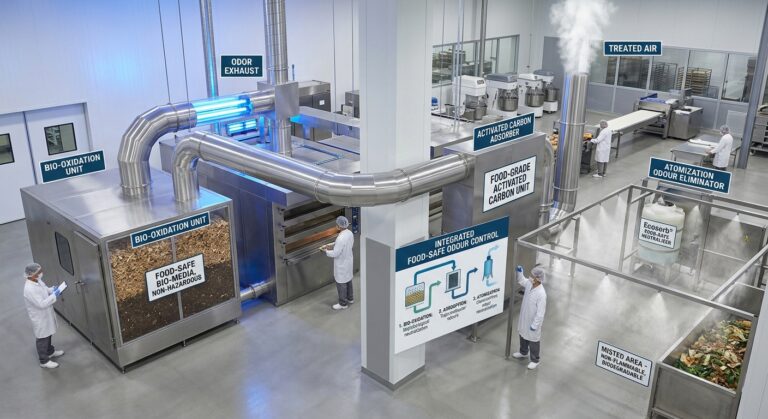
That’s why leading processors are turning to integrated, food-safe odour control systems such as BioStreme, XStreme, and AirSolution — engineered to neutralize odours, prevent buildup, and maintain continuous hygiene throughout the facility.
This guide explores the sources of food odour, its impact on compliance and brand image, and the modern technologies that eliminate it safely and sustainably.
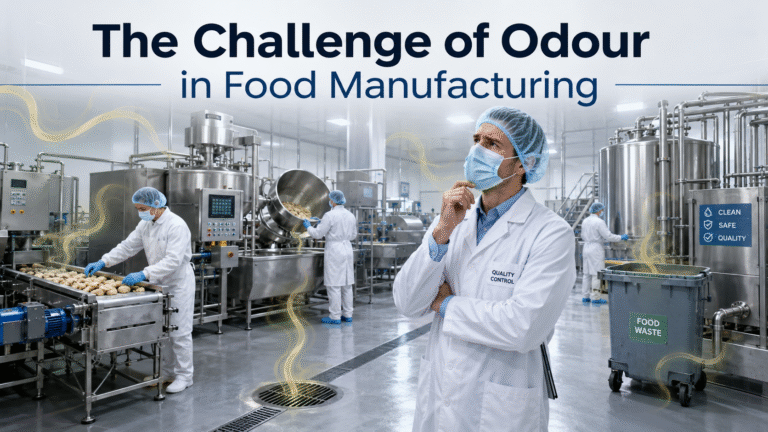
1. The Challenge of Odour in Food Manufacturing
1.1 Where Food Odours Come From
Food odour emissions typically originate from:
- Fermentation and curing processes (yeasts, bacteria, alcohols, VOCs)
- Grease traps and drains accumulating fats, oils, and proteins
- Animal-based processing (pet food, meat rendering, fish by-products)
- Spill areas and sanitation water
- Waste bins, collection tanks, and wastewater pre-treatment units
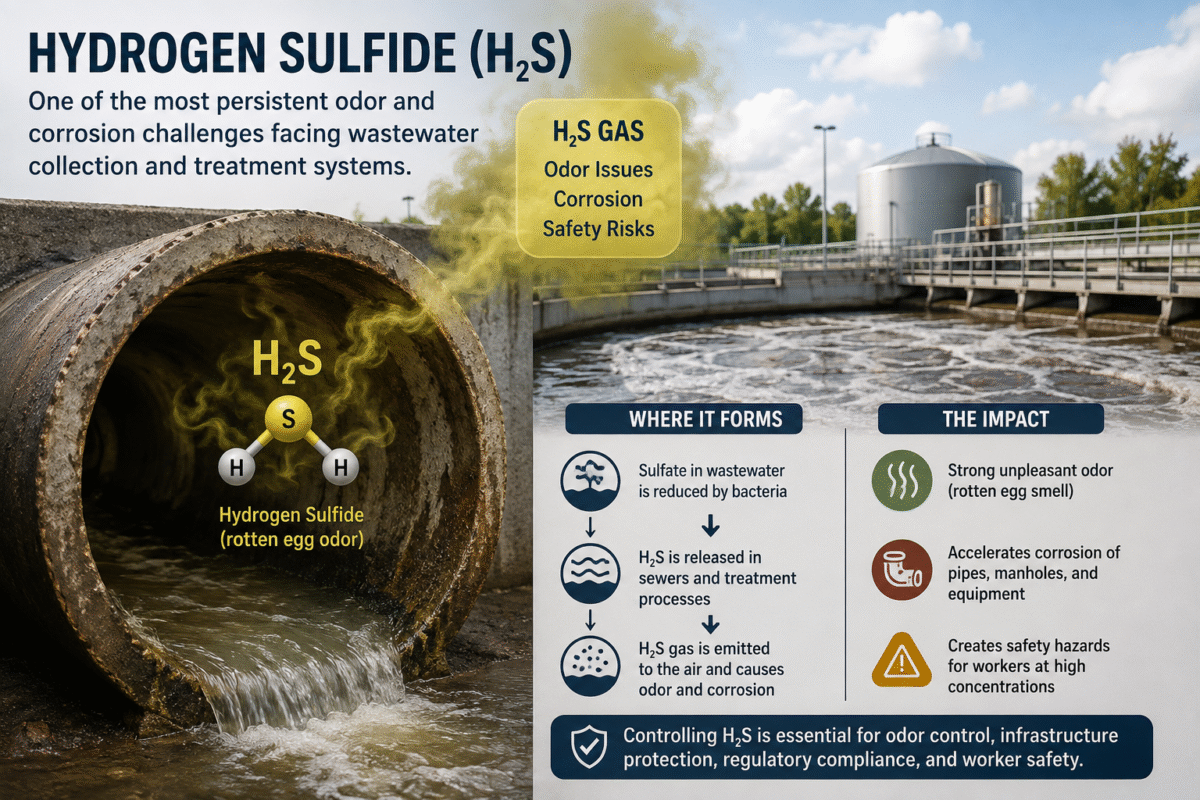
Each area emits complex volatile organic compounds (VOCs) such as amines, sulfur compounds, aldehydes, and short-chain fatty acids — all of which are highly odorous and can spread quickly through HVAC systems.
👉 Reference: EPA – Industrial Odour Emissions Overview
1.2 Why Odour Is a Compliance and Brand Risk
Food manufacturing odours affect three key pillars of operational success:
- Regulatory Compliance: Agencies like the FDA, USDA, and CFIA enforce sanitation and air quality standards under Good Manufacturing Practices (GMPs).
- Neighbourhood Relations: Persistent odours can trigger complaints, inspections, or fines.
- Brand Integrity: Strong or unpleasant smells near facilities can undermine consumer confidence — especially for premium or pet food brands that emphasize “freshness” and “quality.”
👉 Reference: FDA Current Good Manufacturing Practices (21 CFR 117)
1.3 The Invisible Cost of Poor Odour Management
Beyond perception, uncontrolled odours often signal:
- Biofilm buildup in drains and grease traps
- Anaerobic microbial activity in wastewater
- Inefficient sanitation or insufficient airflow
- VOC accumulation in production zones
Left untreated, these can lead to increased cleaning costs, corrosion of stainless equipment (from H₂S and ammonia), and even cross-contamination risks.
2. Understanding the Science of Food Odour Control
2.1 The Chemical Complexity of Food Odours
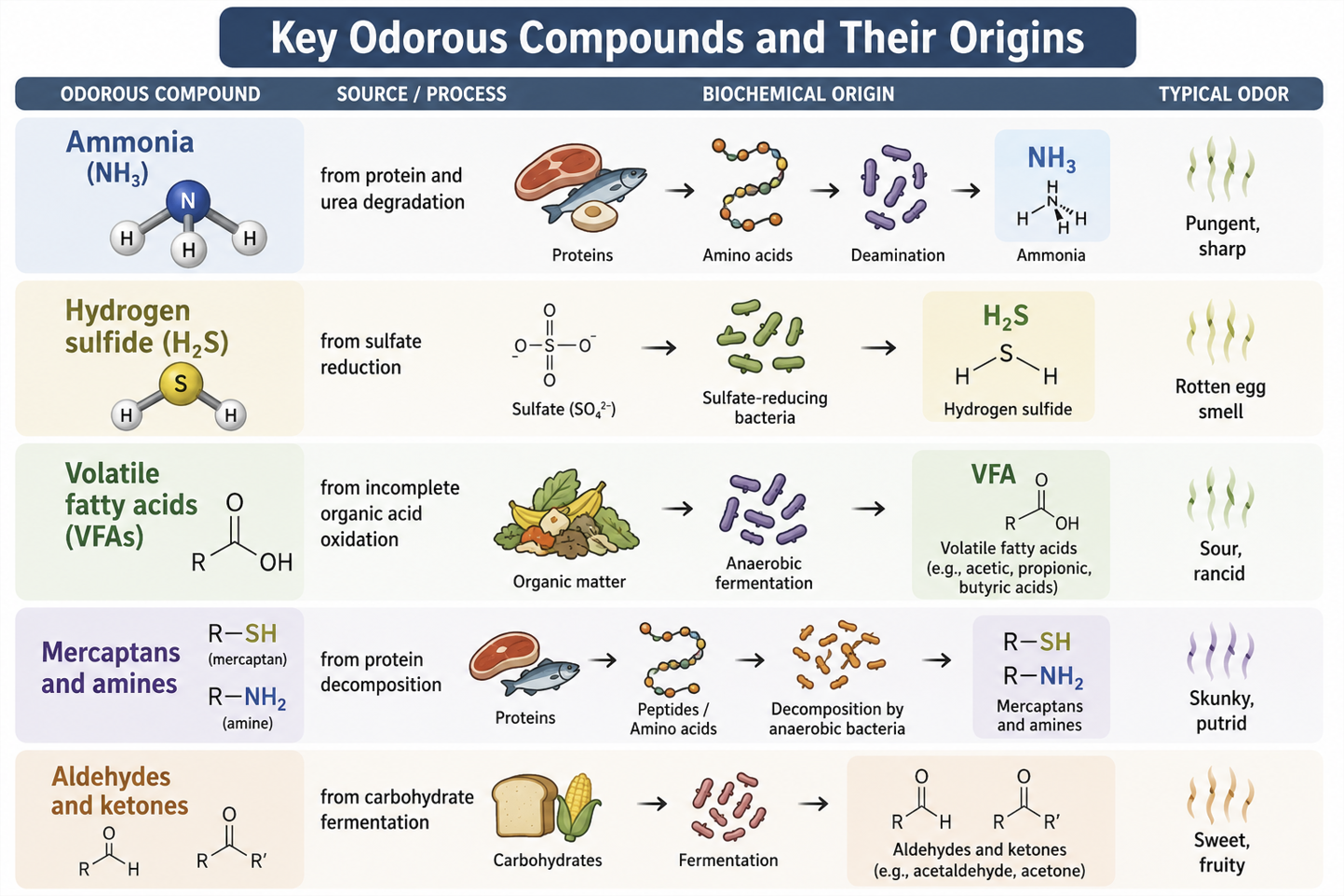
Common odour-causing compounds include:
Compound | Source | Odour Type |
Hydrogen sulfide (H₂S) | Decomposition of protein | Rotten egg |
Ammonia (NH₃) | Urea/protein degradation | Sharp, pungent |
Volatile fatty acids | Fermentation residues | Sour, rancid |
Amines | Fish/meat residues | Fishy |
Aldehydes/ketones | Oxidized fats/oils | Stale, rancid |
Each compound behaves differently in air and water — requiring a system that addresses both source formation and air-phase emissions.
2.2 The Three Dimensions of Odour Management
- Prevention (BioStreme) — controls biological odour formation by balancing microbial activity.
- Capture (XStreme) — atomizes neutralizing mist across airflows and ducts.
- Neutralization (AirSolution) — chemically transforms odour molecules into non-volatile compounds.
Together, these systems form a closed-loop odour control process — essential for large food facilities that run 24/7.
3. BioStreme: Biological Prevention of Odour at the Source
3.1 What Is BioStreme?
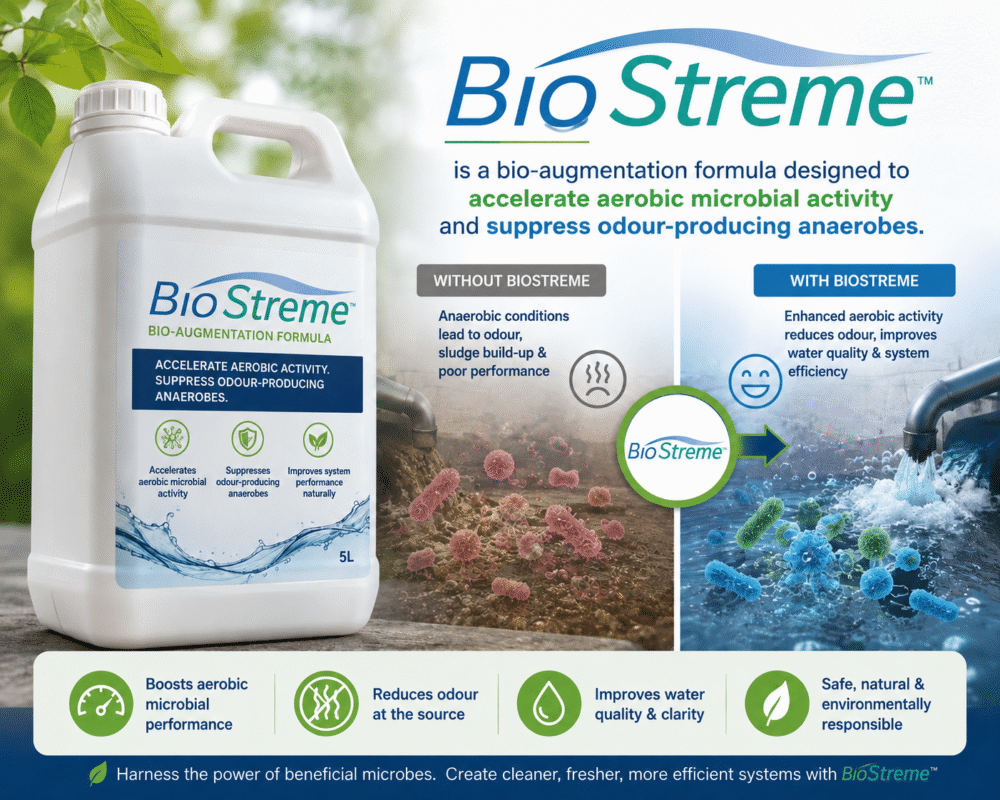
BioStreme is a bio-augmentation formula designed to accelerate aerobic microbial activity and suppress odour-producing anaerobes.
Applied to grease traps, wastewater pits, or organic drains, it:
- Breaks down fats, oils, and proteins before they decay.
- Reduces ammonia and H₂S formation.
- Improves wastewater quality (lower BOD/COD).
- Enhances sanitation efficiency by reducing organic buildup.
Result: less sludge, fewer odours, and a more balanced microbial ecosystem.
👉 Reference: ScienceDirect – Biological Treatment of Odorous Compounds
3.2 Applications in Food Facilities
- Grease traps and interceptors: Continuous dosing prevents rancid build-up.
- Wastewater tanks: Biological treatment improves aeration and odour control.
- Drain lines: Prevents anaerobic film and backflow odour.
- Solid waste areas: Spray-on use reduces odour peaks.
BioStreme works naturally and safely — meeting environmental and food-industry standards for non-toxic, non-pathogenic use.
4. XStreme: Precision Misting and Duct Injection
4.1 How XStreme Works
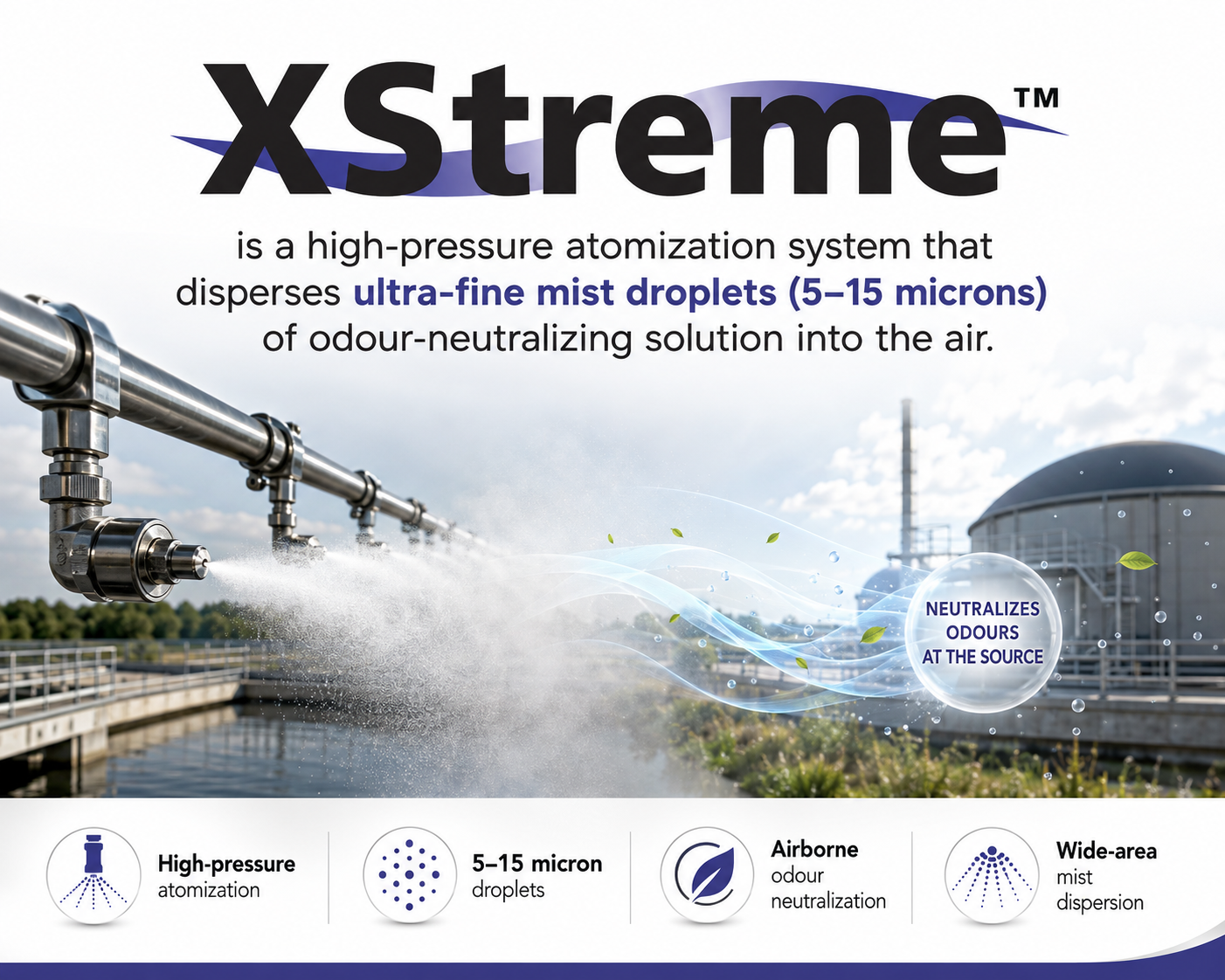
XStreme is a high-pressure atomization system that disperses ultra-fine mist droplets (5–15 microns) of odour-neutralizing solution into the air.
This mist:
- Interacts with airborne odour molecules.
- Neutralizes VOCs, H₂S, and amines.
- Maintains air freshness in high-load areas like production floors or loading docks.
Key Advantages:
- Uniform coverage across large spaces
- Food-safe stainless and corrosion-resistant materials
- Integrates with ventilation ducts or open-air systems
- Automated operation reduces labour
👉 Reference: ASHRAE – Ventilation for Food Processing Environments
4.2 Ideal Application Zones
- Wastewater or sludge treatment rooms
- Grease trap containment areas
- Packaging lines and extrusion zones (pet food)
- Receiving and waste collection docks
- Sanitation and wash-down areas
By combining with AirSolution, XStreme creates a fine protective mist curtain that neutralizes odour as it forms — before it leaves the facility.
5. AirSolution: Safe, Food-Grade Odour Neutralization
5.1 What Makes AirSolution Different
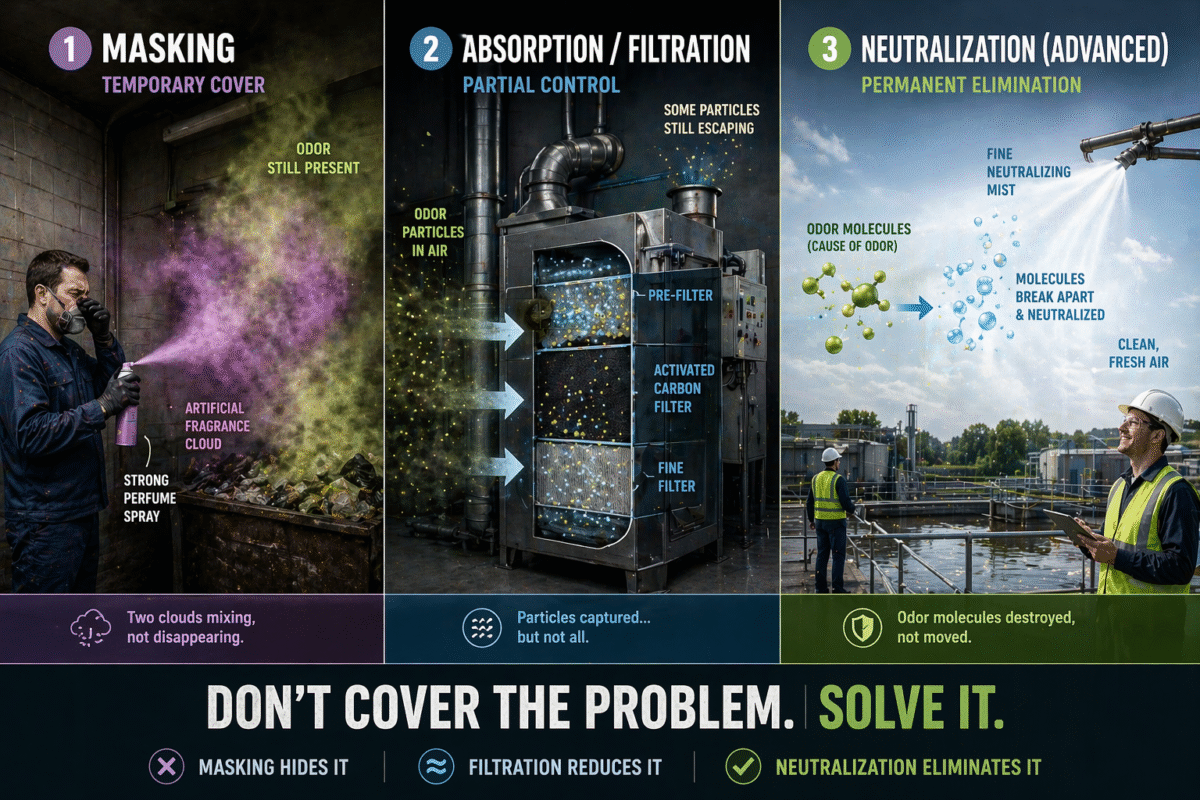
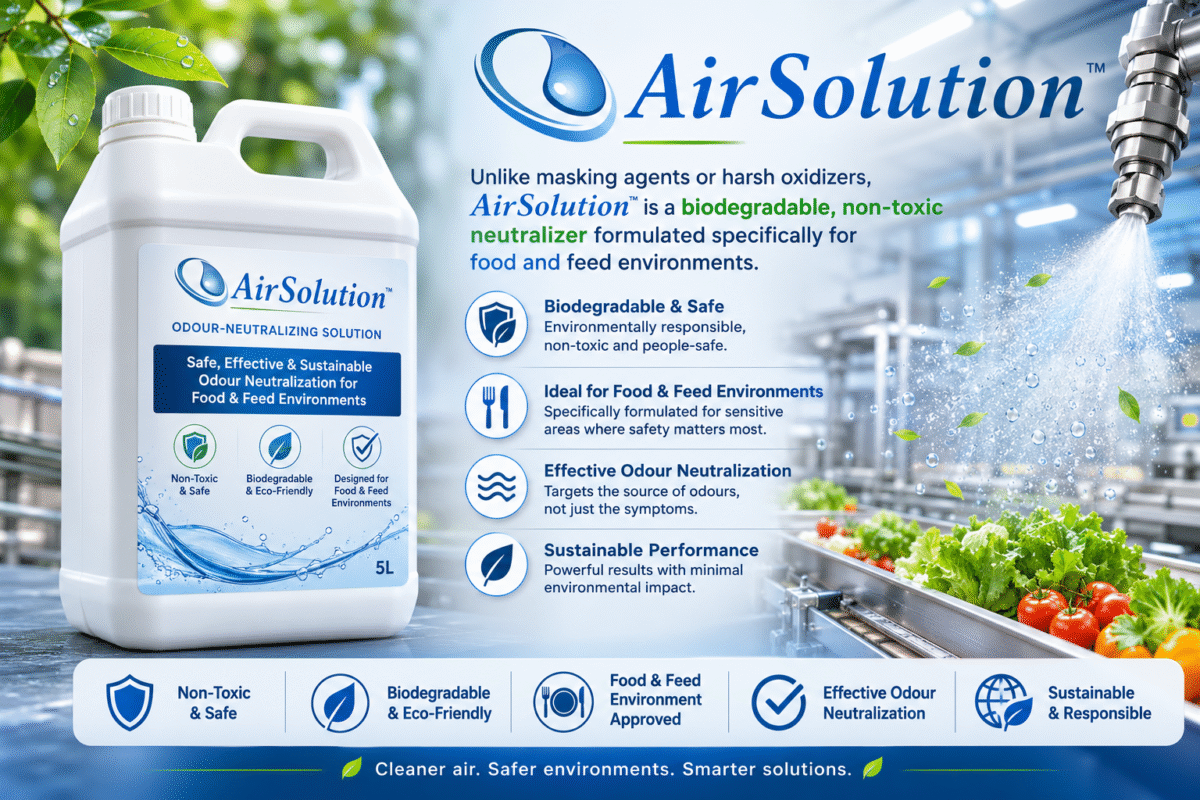
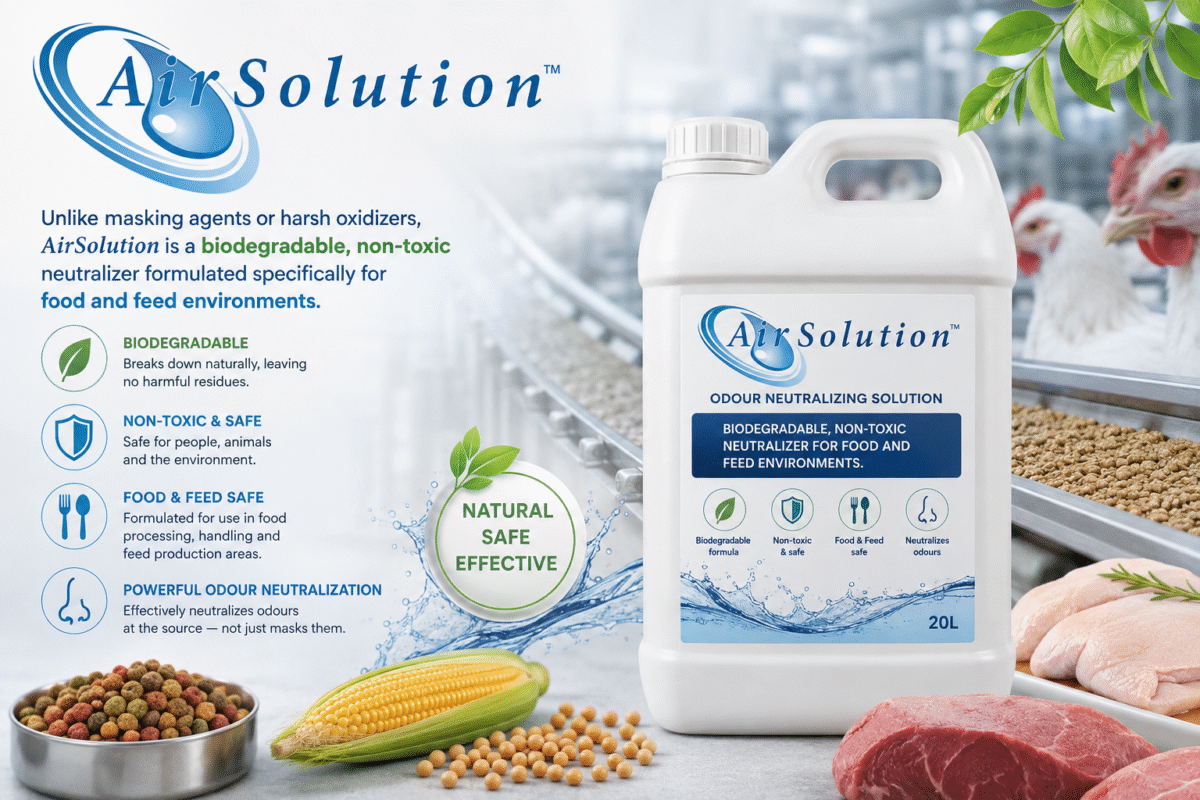
Unlike masking agents or harsh oxidizers, AirSolution is a biodegradable, non-toxic neutralizer formulated specifically for food and feed environments.
It uses reactive essential oil compounds that:
- Oxidize volatile sulphur compounds (H₂S, mercaptans).
- Bind to nitrogen-based molecules like amines and ammonia.
- Chemically neutralize fatty acids and aldehydes.
5.2 Safe for Food Environments
- Non-flammable and non-corrosive
- Contains no phenols, formaldehyde, or chlorine
- Compliant with GMP, CFIA, and EPA standards
- Suitable for use around non-contact food processing zones
AirSolution is ideal for facilities that must maintain hygiene certifications while eliminating odour emissions.
👉 Reference: Food Processing Magazine – Odour Control and Hygiene Trends
6. Integrating the Three Systems: Complete Food Odour Control
Layer | Technology | Function | Application |
Biological | BioStreme | Prevent odour generation at source | Grease traps, drains |
Mechanical | XStreme | Atomized mist dispersion | Air ducts, processing zones |
Chemical | AirSolution | Neutralize airborne odours | Exhausts, sanitation rooms |
6.1 The Workflow
- Dose BioStreme into drains, traps, or wastewater sumps to stabilize microbial activity.
- Install XStreme misting lines near air vents, ceilings, or duct outlets.
- Inject AirSolution through XStreme for continuous odour neutralization.
- Monitor humidity, air exchange, and VOC levels to optimize cycles.
The synergy between these systems creates a low-maintenance, high-efficiency solution that protects product integrity, staff comfort, and environmental compliance.
7. Odour Control Across Food Industry Segments
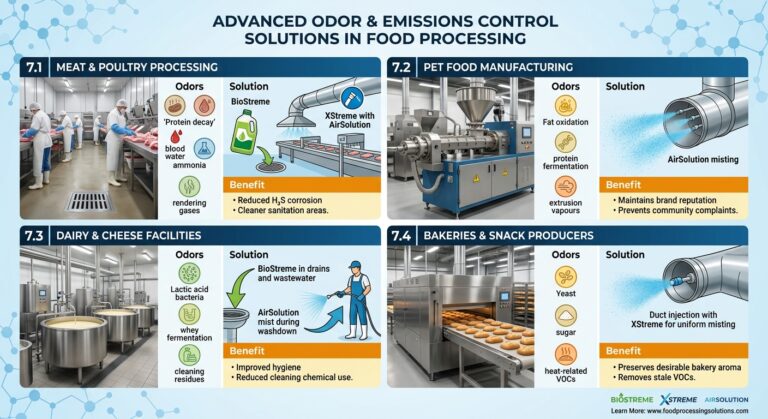
7.1 Meat & Poultry Processing
- Odours: Protein decay, blood water, ammonia, and rendering gases.
- Solution: BioStreme for drains + XStreme with AirSolution for exhaust.
- Benefit: Reduced H₂S corrosion and cleaner sanitation areas.
7.2 Pet Food Manufacturing
- Odours: Fat oxidation, protein fermentation, extrusion vapours.
- Solution: AirSolution misting in exhaust ducts to neutralize odour before release.
- Benefit: Maintains brand reputation and prevents community complaints.
7.3 Dairy and Cheese Facilities
- Odours: Lactic acid bacteria, whey fermentation, cleaning residues.
- Solution: BioStreme in drains and wastewater; AirSolution mist during washdown.
- Benefit: Improved hygiene and reduced cleaning chemical use.
7.4 Bakeries and Snack Producers
- Odours: Yeast, sugar, and heat-related VOCs.
- Solution: Duct injection with XStreme for uniform misting across exhaust systems.
- Benefit: Preserves desirable bakery aroma while removing stale VOCs.
8. Measuring Results: Performance Indicators
KPI
Measurement
Expected Result
Odour Units (OU/m³)
Olfactometry
>80% reduction
Ammonia (ppm)
Air sampling
<2 ppm
Hydrogen Sulfide (ppm)
Gas detector
<1 ppm
BOD/COD in wastewater
Lab analysis
30–40% lower
Community complaints
Incident log
Near zero
Regular monitoring ensures not only compliance but continuous improvement across operations.
- Odours: Protein decay, blood water, ammonia, and rendering gases.
9. Compliance and Safety Standards
9.1 Regulatory Benchmarks
Food processing facilities must meet multiple air and sanitation standards:
- FDA GMP (21 CFR 117) – Prevents contamination and ensures hygiene.
- USDA FSIS – Clean and odour-free facilities for animal-derived foods.
- OSHA – Worker safety for ammonia and chemical exposure.
- EPA Clean Air Act – VOC and odour emission control.
Using food-safe neutralization systems like AirSolution and BioStreme helps maintain compliance across all categories.
9.2 Workplace Air Quality
Maintaining clean air ensures:
- Lower absenteeism
- Reduced allergen and microbial exposure
- Enhanced worker morale and performance
👉 Reference: OSHA – Workplace Air Quality and Odour Hazards
10. Case Study: Pet Food Plant, Midwest U.S.
Facility: 250,000 sq-ft extrusion and packaging plant
Problem: Persistent odour complaints from nearby residents due to exhaust plumes.
Solution:
- Installed XStreme misting rings at roof exhaust stacks.
- Used AirSolution neutralizer for continuous mist injection.
- Dosed BioStreme into grease traps and wastewater lines.
Results (after 90 days): - 88% reduction in odour complaints.
- H₂S emissions fell below 0.5 ppm.
- Improved sanitation inspection scores and zero non-compliance reports.
11. Sustainability and Operational Benefits
11.1 Environmental Impact
- Biodegradable formulations reduce chemical waste.
- No hazardous residues enter wastewater streams.
- Lower energy demand vs. thermal oxidizers or scrubbers.
11.2 Economic Efficiency
- Reduced maintenance costs in grease traps and drains.
- Extended lifespan of ventilation equipment (less corrosion).
- Lower chemical consumption compared to masking agents.
- Positive ROI within 6–12 months.
11.3 Brand Reputation
Facilities known for clean air reinforce trust and product quality — especially in pet food, snack, and dairy industries, where sensory perception matters as much as nutrition.
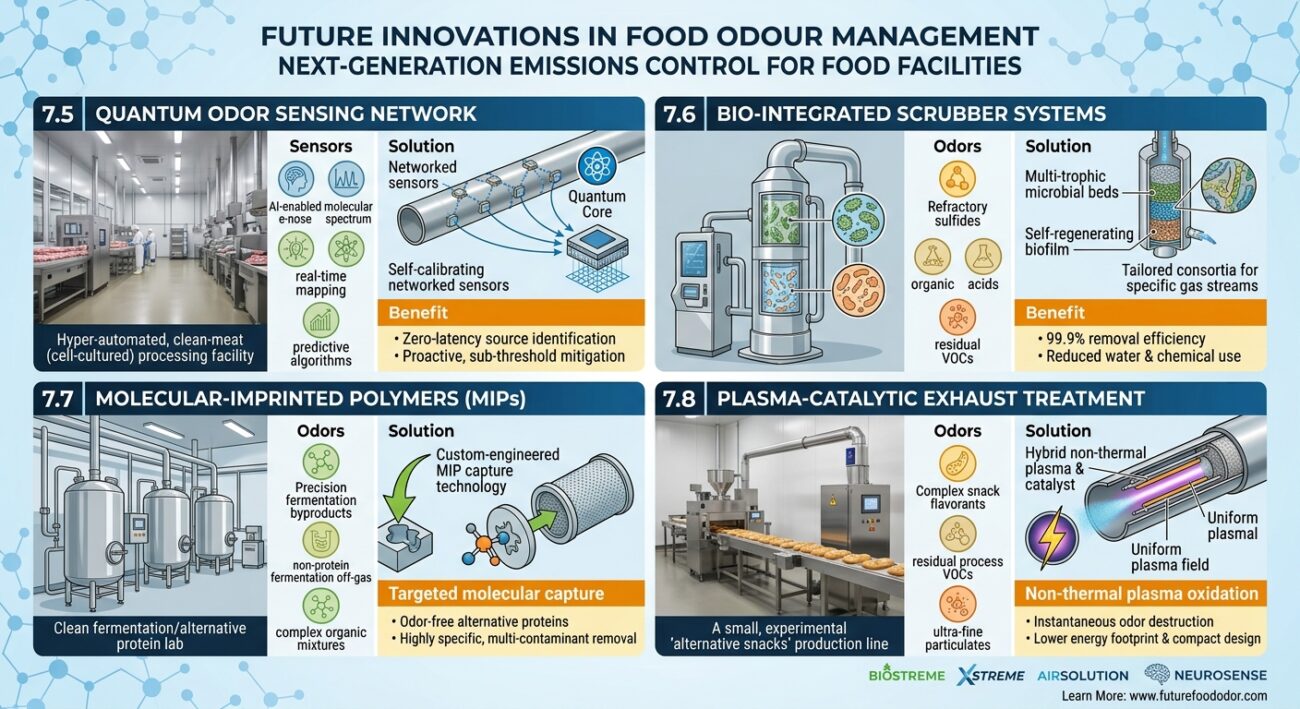
12. Future Innovations in Food Odour Management
- AI-driven mist control: Sensors tracking odour intensity and VOC levels for dynamic dosing.
- IoT-enabled monitoring: Cloud dashboards linking air, wastewater, and sanitation data.
- Hybrid bio-oxidation systems: Combining biological and chemical odour treatment for extreme loads.
- Carbon-neutral formulations: Derived entirely from plant-based sources.
These innovations support sustainability commitments and regulatory transparency demanded by modern food brands.
13. Best Practices for Continuous Compliance
Step | Action | Frequency |
1. Grease trap dosing (BioStreme) | Add via metered pump | Continuous or daily |
2. Duct misting (XStreme) | Operate during production hours | Continuous |
3. AirSolution refill | Refill tanks | Every 2–4 weeks |
4. Air & water sampling | Measure VOCs & BOD | Monthly |
5. Staff training | Sanitation & odour awareness | Quarterly |
Routine inspection and documentation demonstrate compliance readiness and support ISO 14001 or HACCP audit frameworks.
14. Conclusion: Odour-Free Operations, Trusted Brand Performance
Odour management in food processing isn’t a cosmetic measure — it’s a compliance requirement, a worker safety factor, and a brand integrity issue.
By integrating BioStreme, XStreme, and AirSolution, facilities can achieve:
- True odour elimination (not masking)
- Safe, non-toxic performance for food environments
- Enhanced air and water hygiene
- Reduced complaints, corrosion, and compliance risk
From fermentation halls to pet food extrusion lines, these systems ensure that what leaves your plant is quality — not odour.