
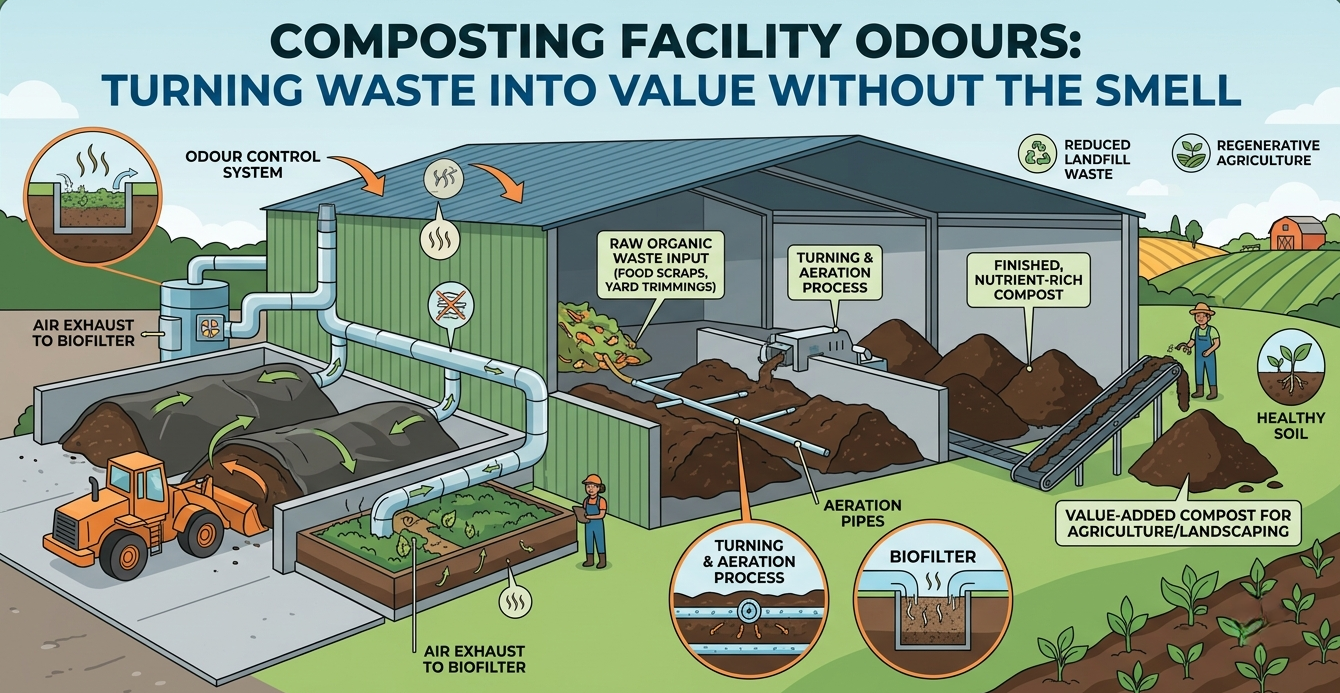
Composting Facility Odours: Turning Waste into Value Without the Smell

1. Why Composting Facilities Produce Odour
1.1 The Chemistry of Compost Odour
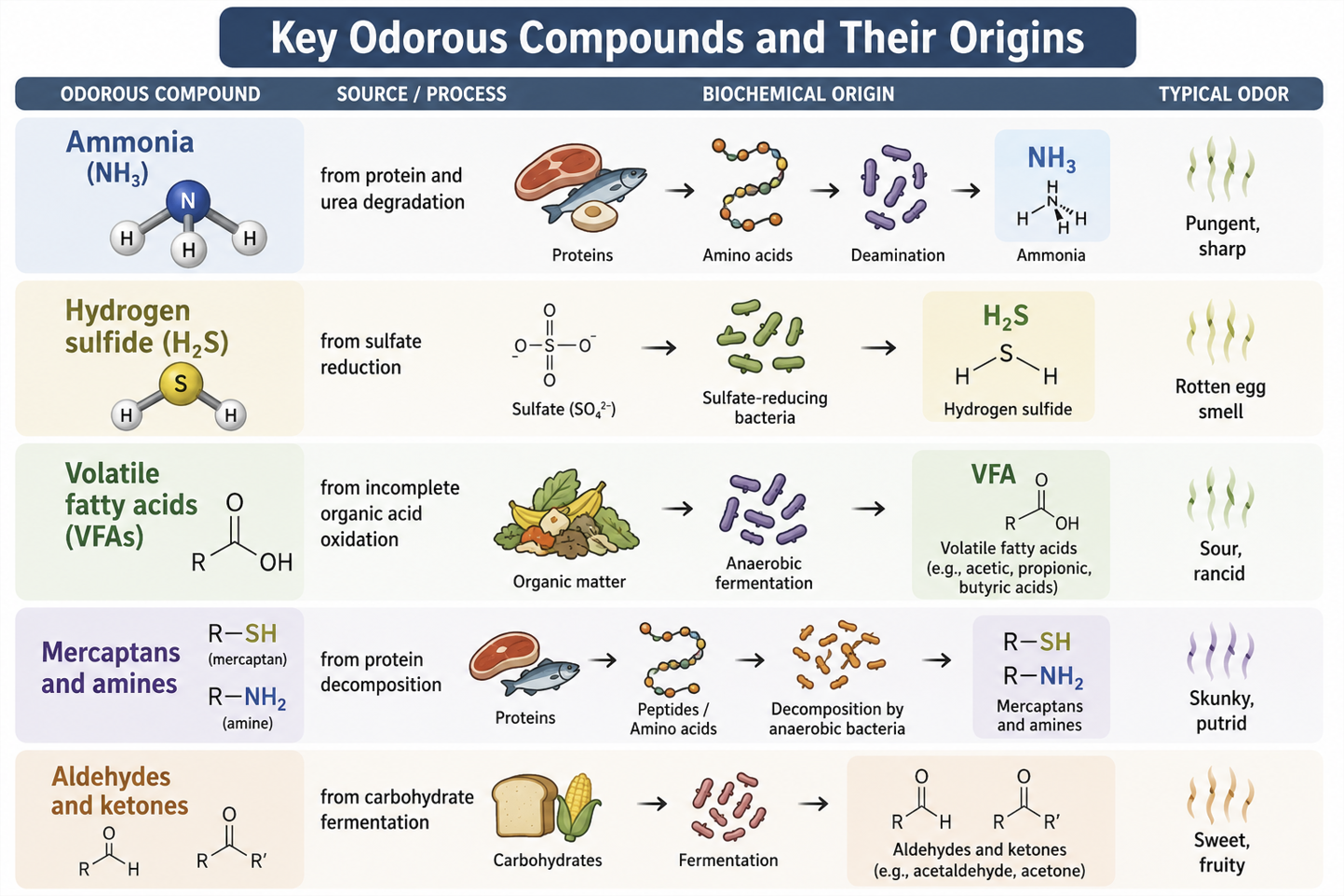
Odour in composting results from the microbial breakdown of organic matter under conditions that are not fully aerobic (oxygen-rich). When oxygen levels drop, anaerobic bacteria begin decomposing organic material, releasing odorous compounds such as:
- Ammonia (NH₃): from protein and urea degradation
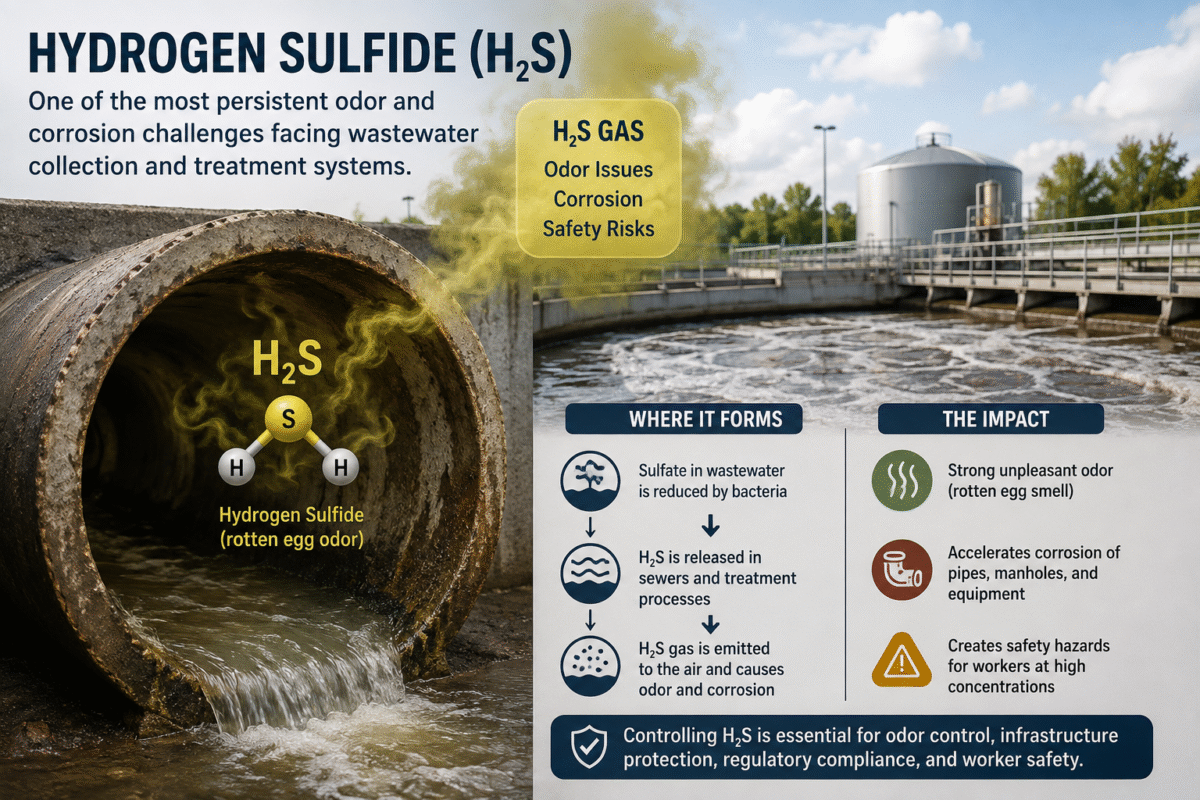
- Hydrogen sulfide (H₂S): from sulfate reduction
- Volatile fatty acids (VFAs): from incomplete organic acid oxidation
- Mercaptans and amines: from protein decomposition
- Aldehydes and ketones: from carbohydrate fermentation
The characteristic “rotten egg” or “fishy” smell indicates an imbalance — usually caused by excess moisture, poor aeration, or nitrogen overload.
👉 Reference: U.S. EPA – Composting and Odor Control Basics
1.2 Sources of Odour in Composting Operations
Odours can originate from several operational areas:
- Receiving zones – where fresh organic waste is unloaded
- Active composting piles – especially during thermophilic phases
- Leachate drains and ponds
- Curing and storage areas
- Screening operations
Each zone emits a different mix of gases depending on temperature, moisture, and microbial activity. The key to odour control is targeting both the biological source and the airborne emissions.
2. The Double Challenge: Ammonia and Organic Odours
2.1 Understanding Ammonia Emissions
Ammonia is a major contributor to composting odour and environmental nitrogen loss. It forms when organic nitrogen (proteins, urea) converts to ammonium and volatilizes under high pH or temperature.
High ammonia emissions:
- Reduce compost nitrogen value
- Create pungent odours
- Contribute to acid rain and particulate pollution when released to air
👉 Reference: European Environment Agency – Ammonia Emissions in Waste Management
2.2 Volatile Organic Compounds (VOCs) and Sulfur Odours
VOCs, VFAs, and sulfur-based gases are secondary contributors. These compounds form under anaerobic “pockets” within compost piles or leachate channels, creating odour spikes especially during turning or mixing.
Managing these emissions requires:
- Balanced carbon-to-nitrogen ratio (C:N)
- Proper moisture control
- Bio-augmentation with beneficial microbes
- Surface odour neutralization
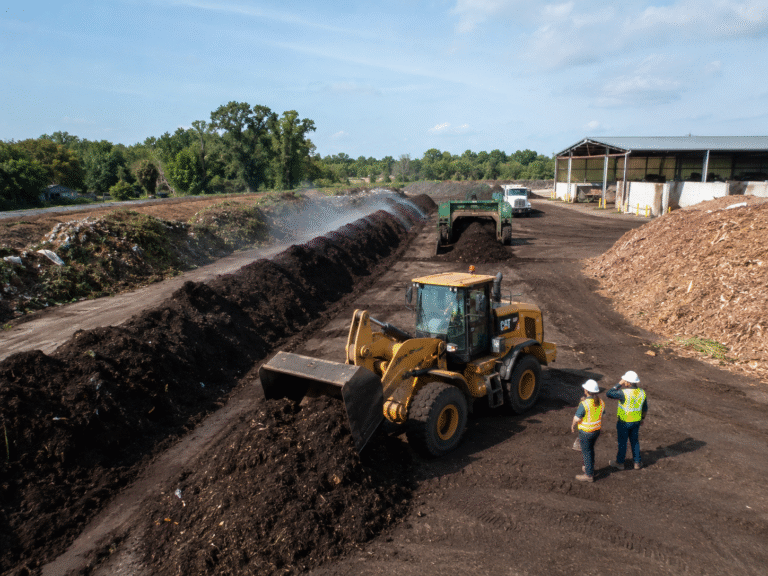
3. BioStreme: Biological Odour Control from Within
3.1 What Is Bio-augmentation?
Bio-augmentation is the process of adding beneficial microbial cultures to enhance natural biodegradation. In composting, this means supplementing existing microbes with specialized strains that:
- Outcompete odour-producing bacteria
- Accelerate aerobic decomposition
- Convert odorous intermediates into stable end products (CO₂, water, nitrate)
3.2 How BioStreme Works
BioStreme is a proprietary biological formula that introduces targeted microbial and nutrient blends into compost piles, leachate drains, or process water. Its dual function is to:
- Boost aerobic microbial activity, stabilizing the composting process.
- Reduce the formation of odour compounds like ammonia, VFAs, and sulfur gases.
When applied via spray or liquid dosing, BioStreme:
- Reduces anaerobic zones inside piles
- Converts odorous nitrogen into stable microbial protein
- Improves oxygen utilization
- Enhances compost maturity and nutrient retention
3.3 Key Benefits
- Up to 70–90% odour reduction within weeks
- Decrease in ammonia volatilization
- Faster compost stabilization
- Improved C:N ratio efficiency
- Better leachate quality (lower BOD/COD)
👉 Further reading: ScienceDirect – Biological Methods for Odour Control
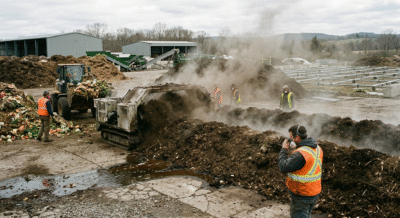
4. AirSolution: Neutralizing Odours at the Surface
4.1 What Happens Above the Compost?
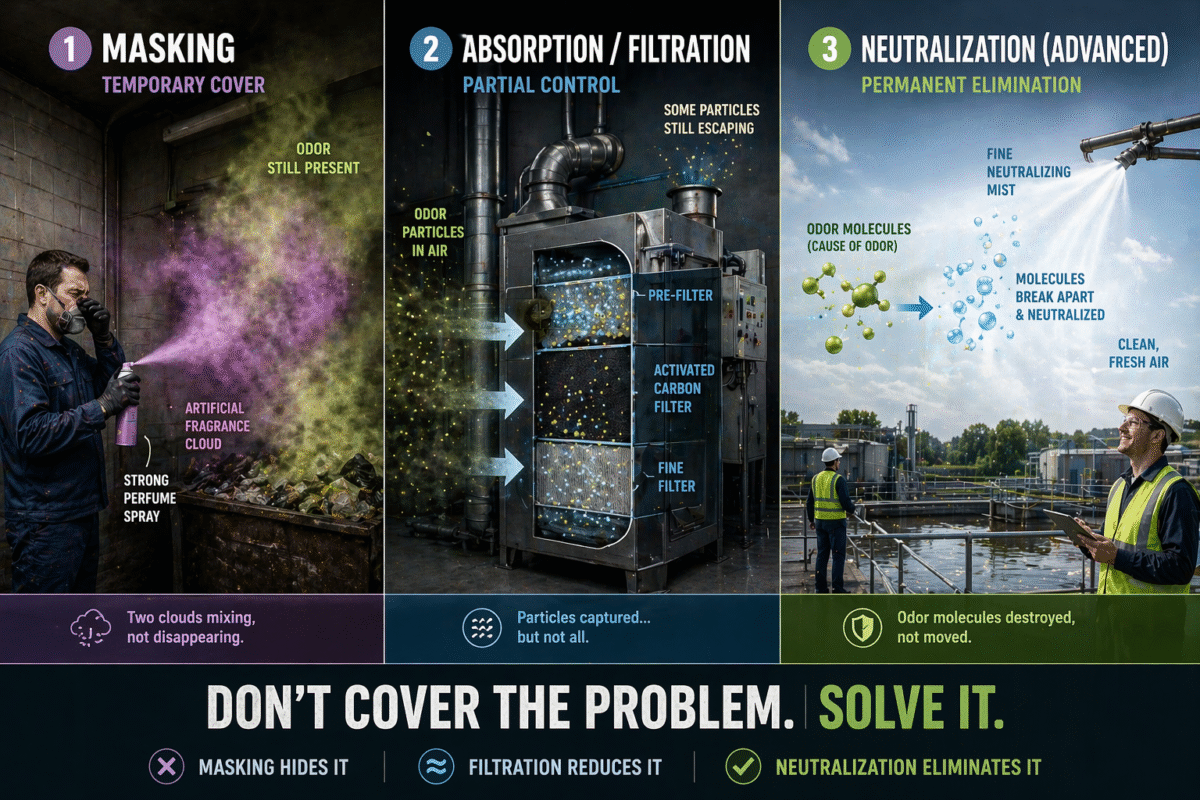
Even with strong biological control, surface odours can still escape — especially during pile agitation, loading, or high humidity. That’s where AirSolution complements BioStreme by tackling airborne emissions directly.
4.2 How AirSolution Works
AirSolution is a water-based, biodegradable odour neutralizer engineered to react with volatile odour molecules in the air. When sprayed through misting systems or fog cannons:
- Its reactive essential-oil compounds bond with odour molecules.
- Chemical reactions convert odorous gases into non-volatile salts or neutral molecules.
- The result is true neutralization, not masking.
4.3 Surface and Perimeter Applications
AirSolution can be applied:
- Over active compost piles using mist booms or fans
- Around perimeter fences for community odour control
- During turning or screening operations to suppress peaks
- Over leachate sumps or tanks
Combined with XStreme high-pressure misting systems, AirSolution ensures even coverage and minimal water use.
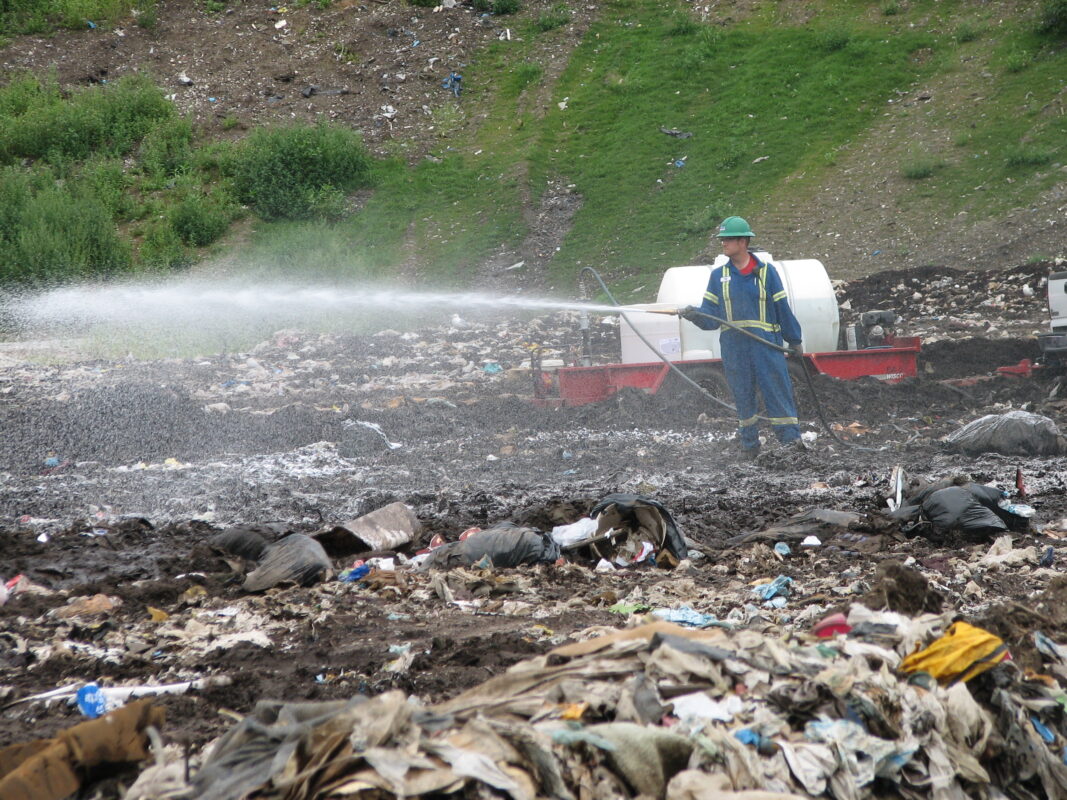
6. The Role of Biofiltration in Compost Facilities
6.1 What Is Biofiltration?
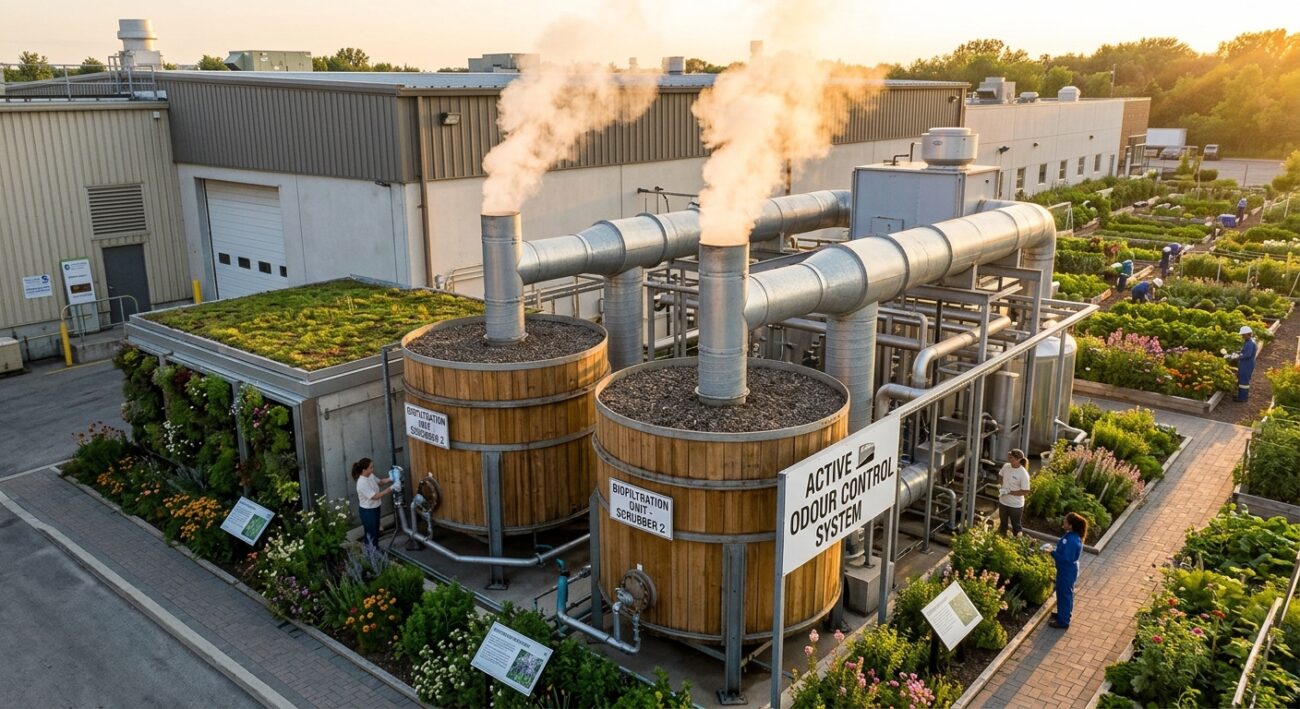
Biofiltration is a natural air-cleaning process where odorous gases pass through a biological filter medium (e.g., compost, bark, or peat). Microbes living on the filter surface metabolize the odour molecules.
When used together with BioStreme and AirSolution:
- BioStreme improves compost microbial health → lower odour load entering the biofilter.
- AirSolution neutralizes high-peak odours → protects the biofilter from overload.
6.2 Advantages of Integrated Odour Control
- Longer biofilter lifespan
- Reduced media replacement costs
- Consistent outlet air quality
- Improved regulatory compliance
👉 Reference: European Commission – Best Available Techniques for Waste Treatment (Odour Control)
7. Managing Ammonia and Nitrogen Retention
7.1 The Ammonia Problem
Excessive ammonia loss:
- Reduces compost nutrient value
- Raises ambient odour intensity
- Contributes to nitrogen pollution
7.2 How BioStreme Mitigates Ammonia
BioStreme’s microbial consortium encourages nitrification and ammonium assimilation, keeping nitrogen in the compost rather than the air.
This results in:
- Lower odour levels
- Improved fertilizer quality
- Higher microbial stability
7.3 Complementary Chemical Neutralization
AirSolution further oxidizes airborne ammonia into non-volatile ammonium salts, reducing total emissions from open piles and curing pads.
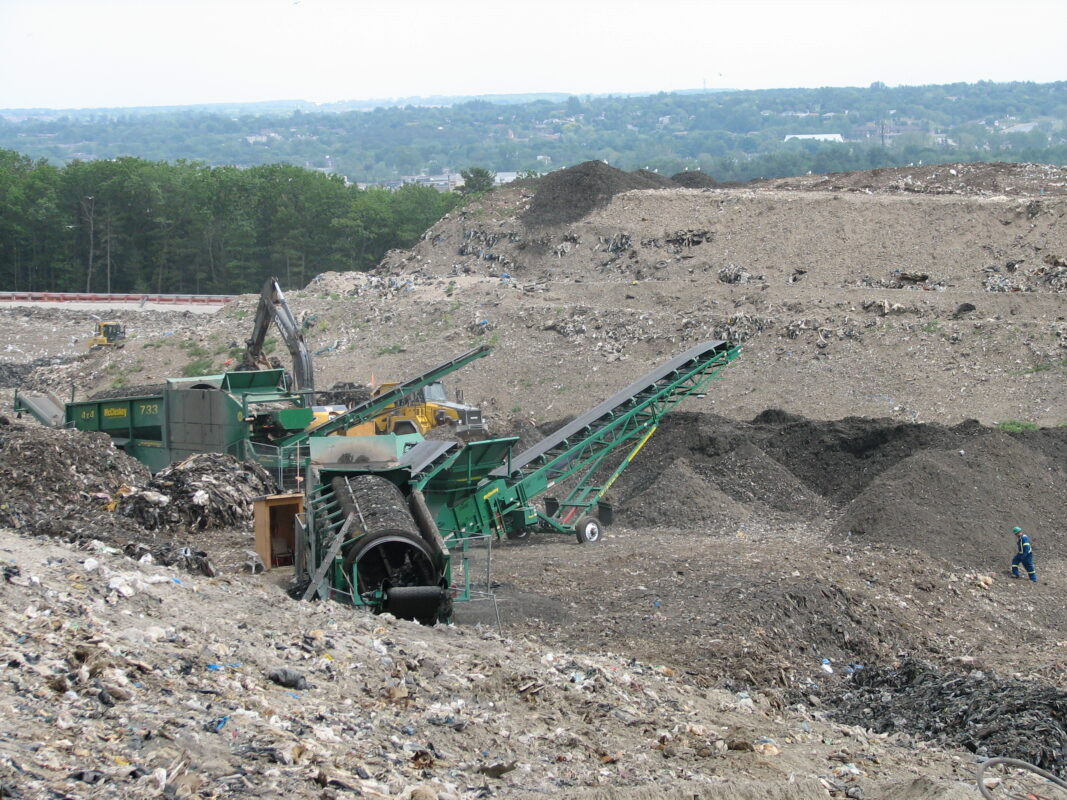
8. Operational Implementation in Composting Sites
8.1 Windrow Composting
- Challenge: Odour spikes during turning and moisture imbalance.
- Solution: BioStreme dosing during watering + AirSolution misting during turning.
8.2 Aerated Static Piles
- Challenge: Ammonia build-up under covers.
- Solution: Inject BioStreme into aeration pipes; mist AirSolution at exhaust vents.
8.3 In-Vessel Composting
- Challenge: Exhaust air odours and filter overload.
- Solution: BioStreme in process feedstock + AirSolution atomized at stack outlets.
9. Measuring Performance: Results and KPIs
Metric
Baseline
After BioStreme + AirSolution
Odour Units (OU/m³)
10,000+
<2,000
Ammonia (ppm)
80–150
<25
Hydrogen Sulfide (ppm)
5–15
<1
Community Complaints
Frequent
Rare
Compost Nitrogen (%)
1.1
1.6
In monitored case studies, facilities saw over 85% odour reduction and improved nutrient content in finished compost.
10. Compliance, Health, and Sustainability
10.1 Regulatory Frameworks
Most environmental agencies require compost facilities to implement Best Available Techniques (BAT) for odour mitigation. Compliance covers:
- Ambient odour limits
- Emission monitoring
- Community impact management
Relevant references:
- U.S. EPA Odour Assessment Guidelines
- Canada – CCME Odour Management Guidelines
10.2 Worker Health and Safety
Reduced H₂S and ammonia concentrations improve workplace air quality, reducing eye and respiratory irritation for operators.
10.3 Sustainability Impact
By biologically stabilizing waste, BioStreme and AirSolution:
- Reduce chemical usage
- Improve compost carbon retention
- Support circular economy goals
- Enhance community acceptance of organics recycling programs
11. Case Example: Municipal Compost Facility, Ontario, Canada
Site: 35,000 tonnes/year mixed organic waste
Problem: Strong odours during spring/summer, regulatory complaints
Solution:- BioStreme applied weekly in active piles (0.5 L per tonne waste)
- AirSolution misting installed on 200 -m perimeter fence
- Biofilter upgrade for exhaust line
Results after 8 weeks:
- 90% reduction in odour complaints
- Ammonia down 78%; H₂S undetectable at boundary
- Compost maturity reached faster by 2–3 weeks
12. Integration with Sustainability Certifications
Implementing biological odour control can contribute to:
- ISO 14001 Environmental Management compliance
- LEED and BREEAM credits for innovation and emission control
- UN SDG 12 (Responsible Consumption and Production) through waste valorization
👉 Reference: UN Environment – Waste Management and SDGs
13. Future Innovations in Compost Odour Control
- Smart Dosing Systems: IoT-linked BioStreme units adjusting dosing by temperature and pH.
- Automated Misting Networks: XStreme-integrated sensors activating AirSolution only during high odour periods.
- Bio-based Neutralizers: New formulations combining plant enzymes and microbial metabolites for even lower ecological impact.
- AI-Assisted Odour Mapping: Predictive modelling using weather and emission data to optimize treatment timing.
These innovations are redefining composting from an odorous necessity to a model of environmental technology.
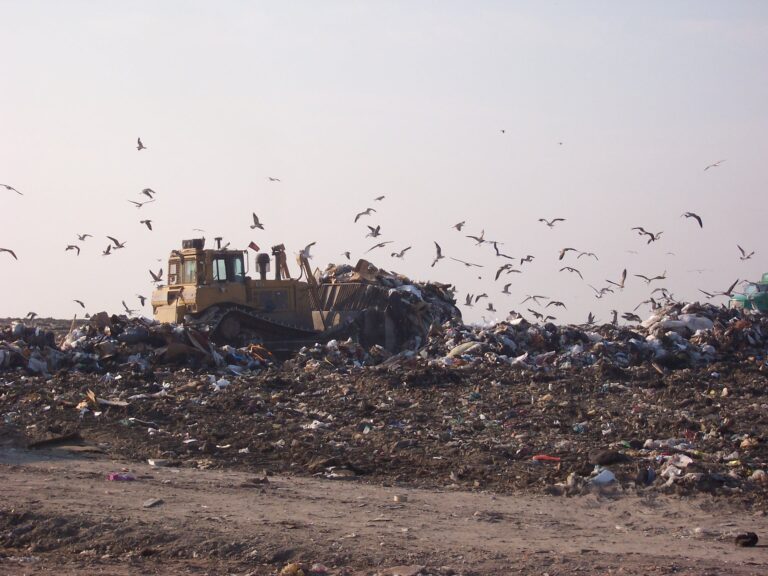
14. The Science of Turning Waste into Value
Composting transforms organic waste into a valuable resource, closing the loop between food waste, soil health, and carbon sequestration. Yet, without odour management, the environmental benefits risk being overshadowed by operational challenges.
The combination of BioStreme and AirSolution delivers a holistic odour control solution:
- Biological: Stabilizes decomposition from the inside.
- Chemical: Neutralizes emissions at the surface.
- Sustainable: Reduces pollutants while enhancing compost value.
The result is cleaner air, higher-quality compost, and community confidence in sustainable waste management.
15. Conclusion: Composting Without Compromise
Odour should never be the price of sustainability. With the right balance of microbial science and chemical innovation, compost facilities can turn waste into value — efficiently, responsibly, and without the smell.
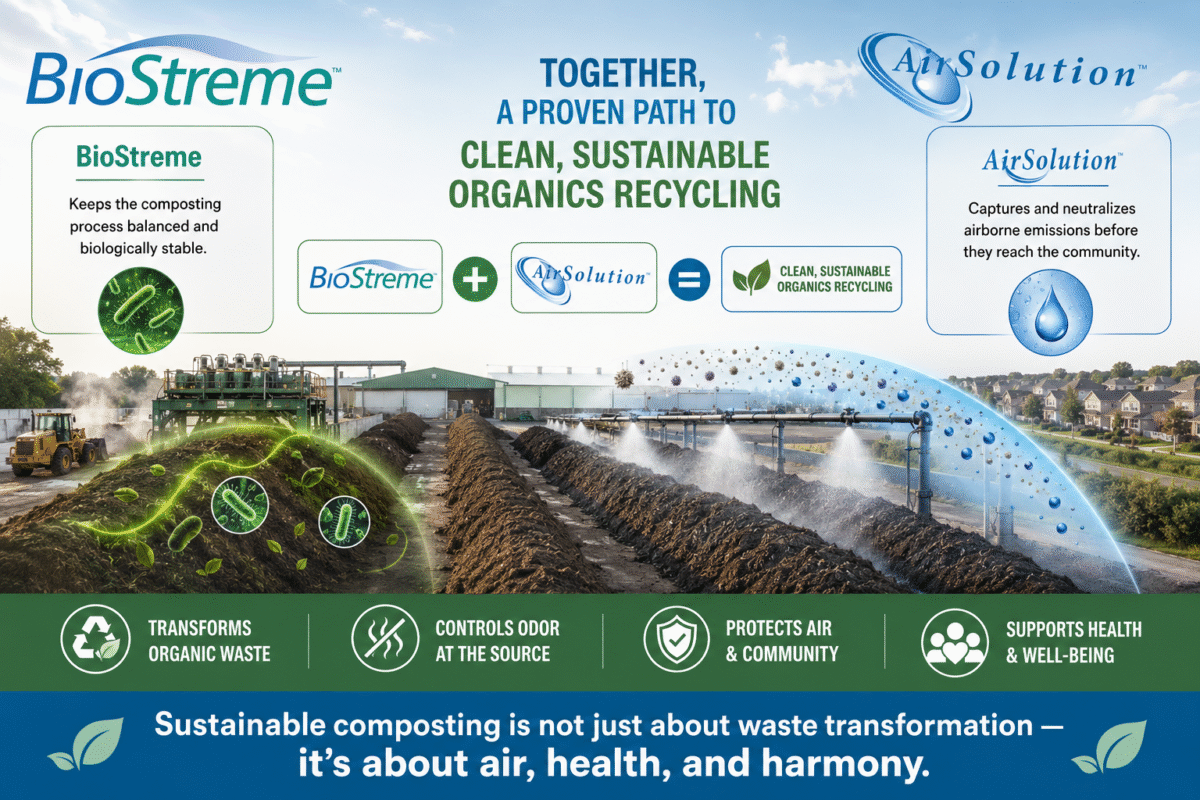
BioStreme keeps the composting process balanced and biologically stable.
AirSolution captures and neutralizes airborne emissions before they reach the community.
Together, they create a proven path to clean, sustainable organics recycling.
Sustainable composting is not just about waste transformation — it’s about air, health, and harmony.