The 10 Most Common Odour Control Questions Answered

Introduction: Why Odour Control Matters More Than Ever
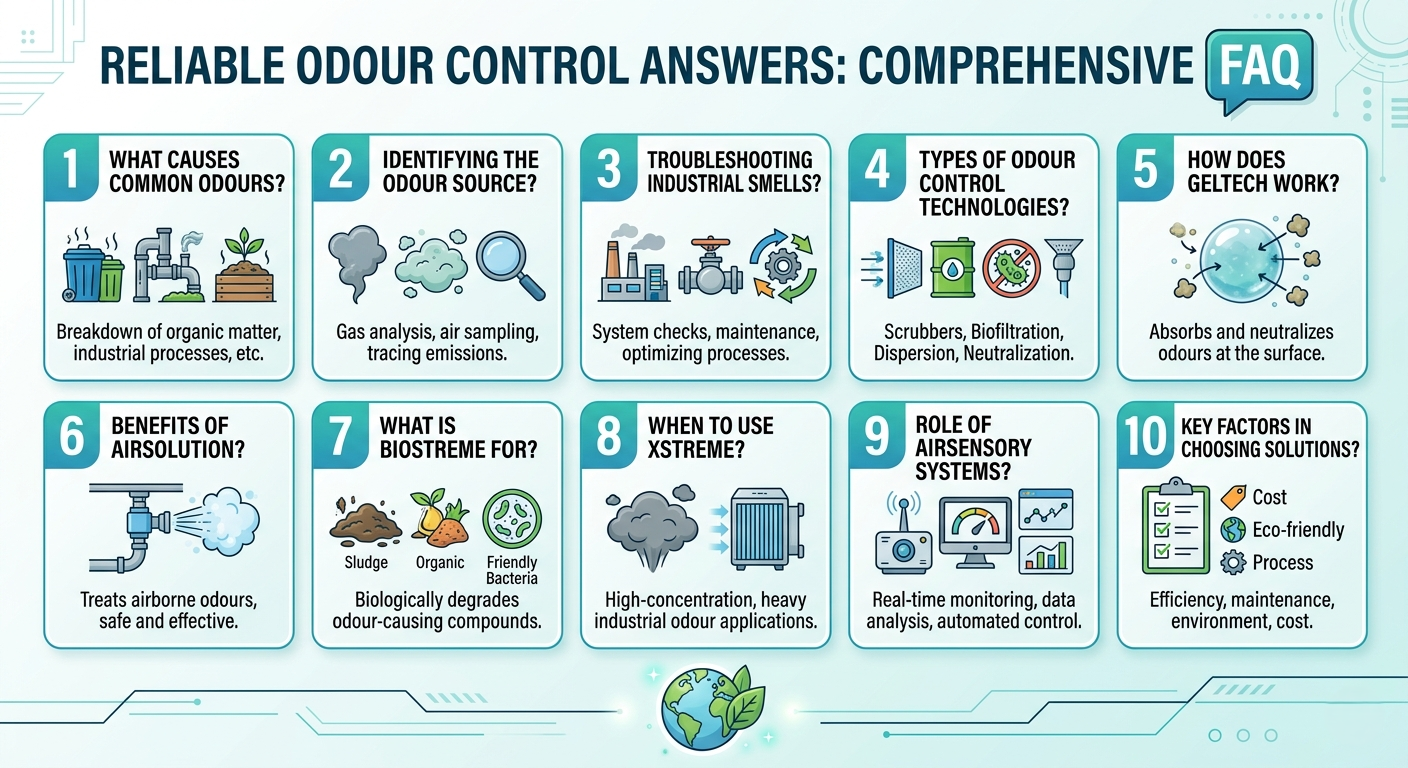
Across industrial, commercial, and municipal environments, odours are more than just unpleasant—they can impact worker comfort, community relations, regulatory compliance, and brand reputation. Whether the source is wastewater, landfill operations, food processing, manufacturing, or HVAC systems, organizations are increasingly turning to advanced, science-backed solutions such as GelTech, AirSolution misting systems, BioStreme biological treatments, XStreme industrial neutralizers, and AirSensory real-time monitoring.
1. What Causes Industrial and Commercial Odour Problems?
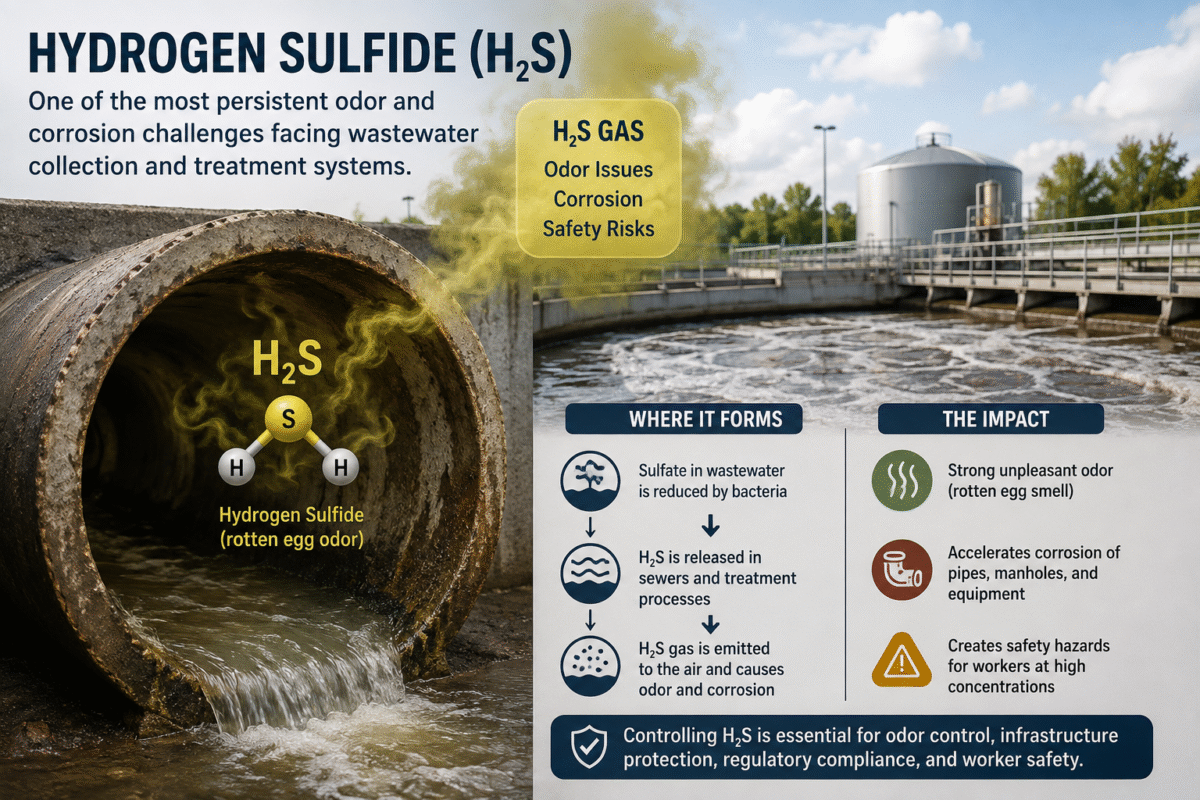
Odours typically come from volatile organic compounds (VOCs) and hydrogen sulfide (H₂S) released during biological decomposition or industrial chemical reactions.
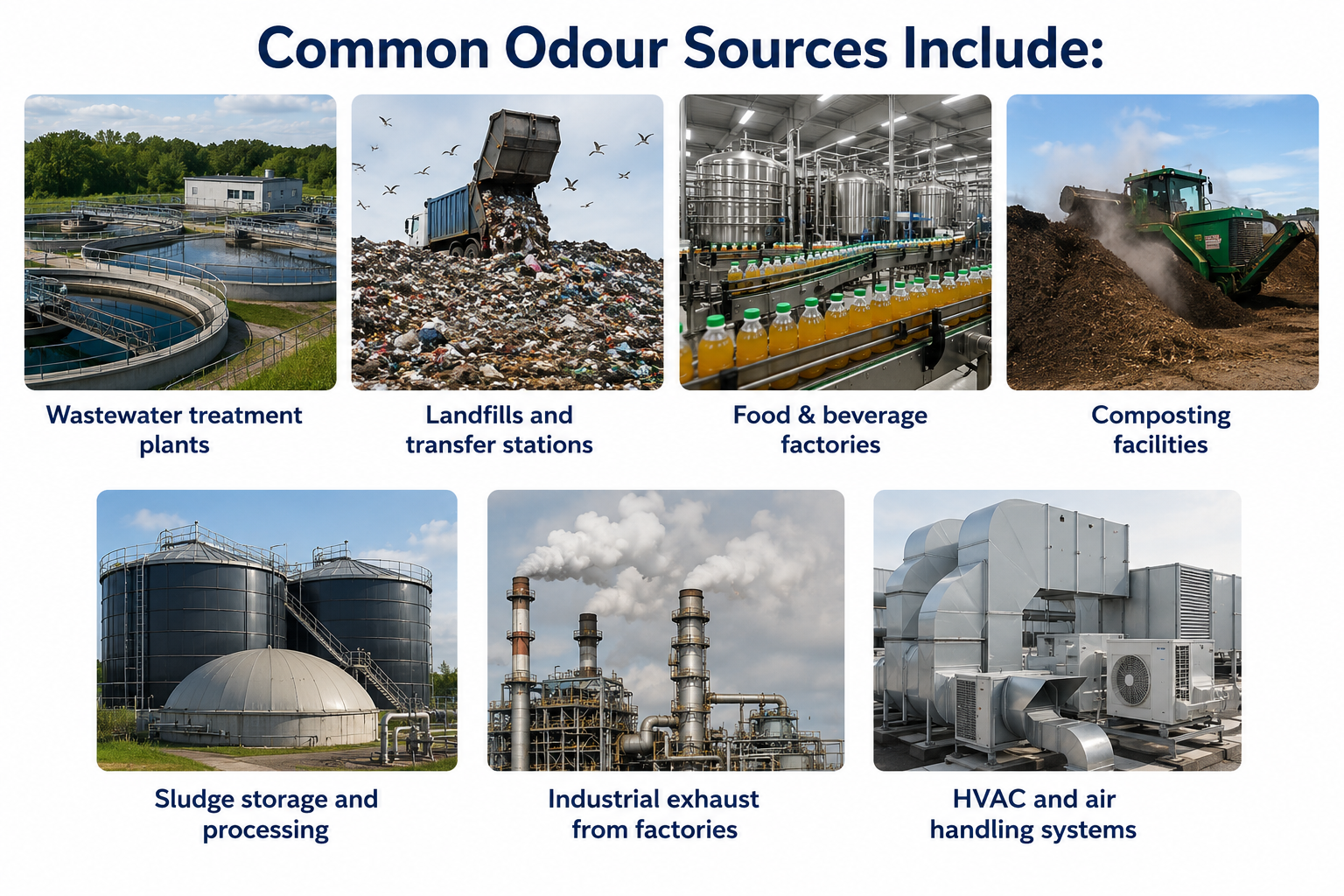
Common Odour Sources Include:
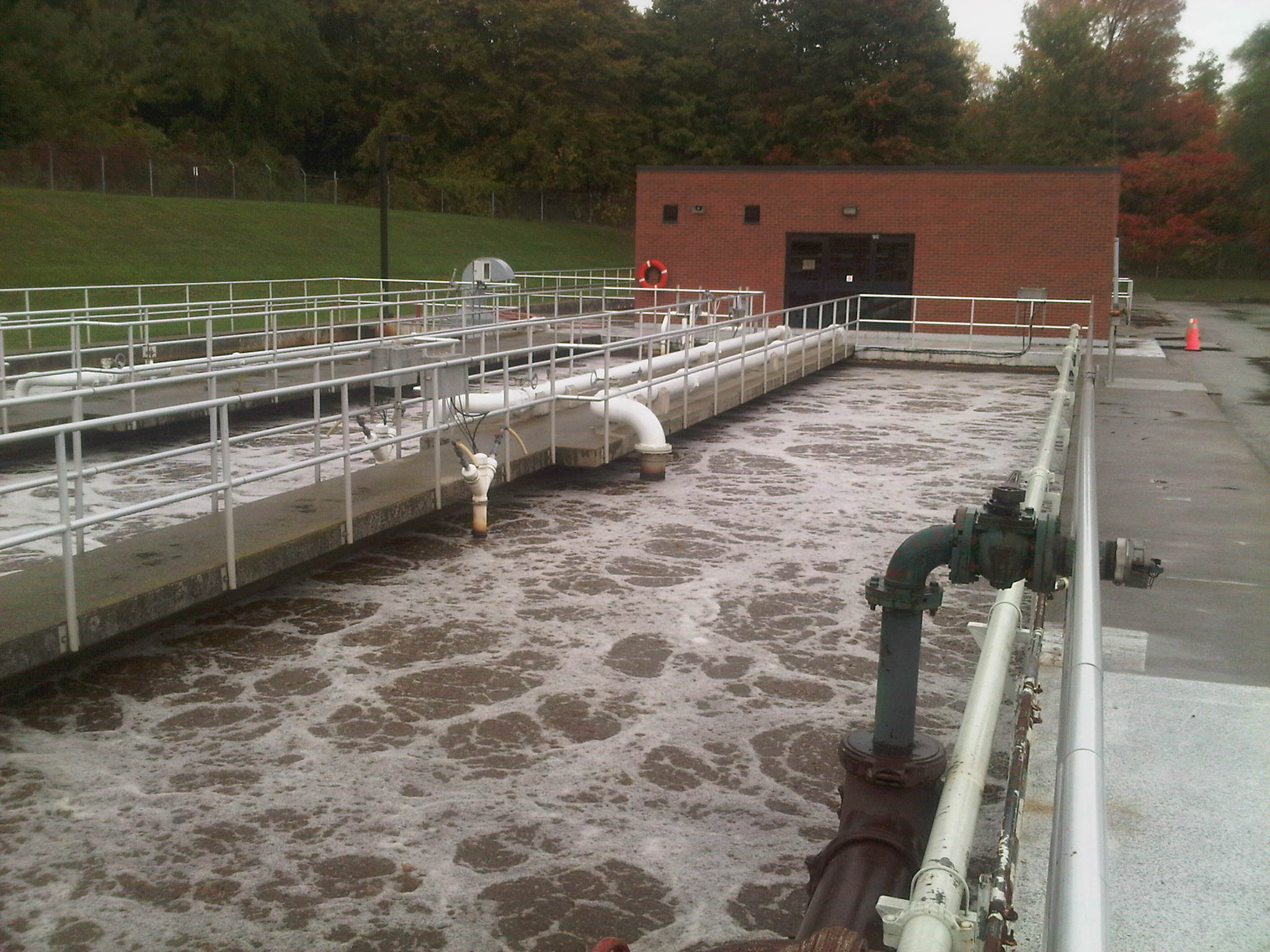
- Wastewater treatment plants
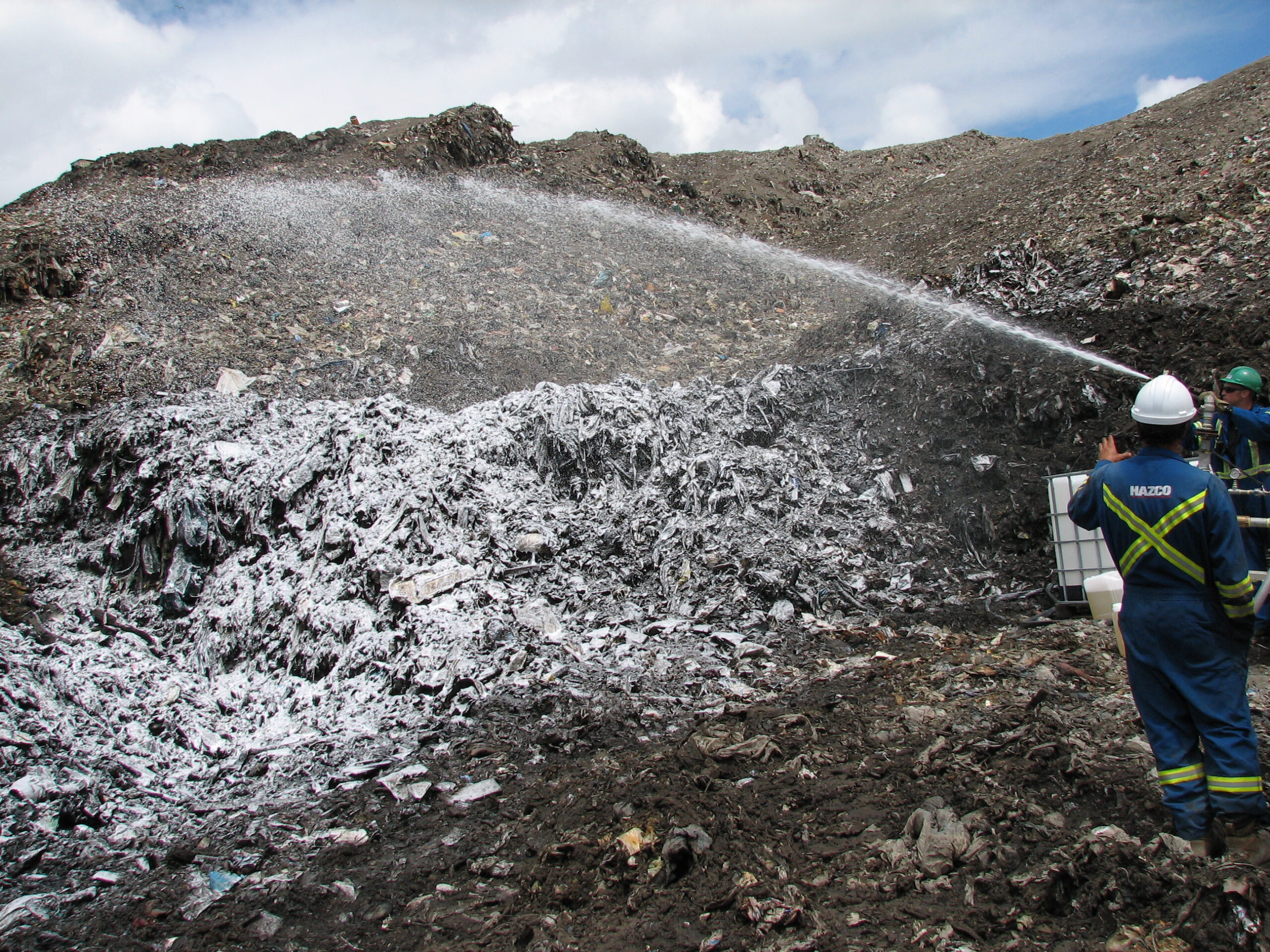
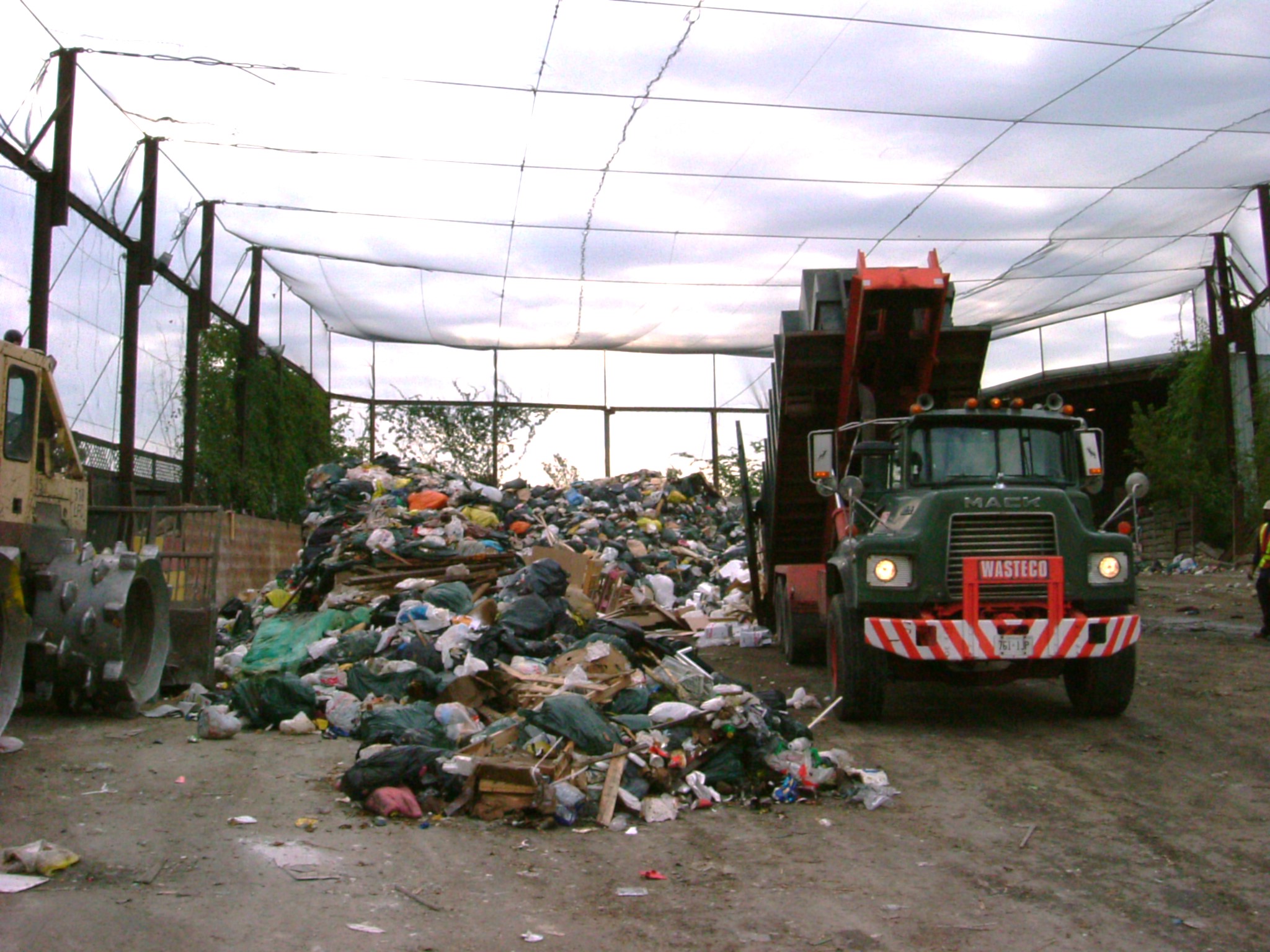
- Landfills and transfer stations
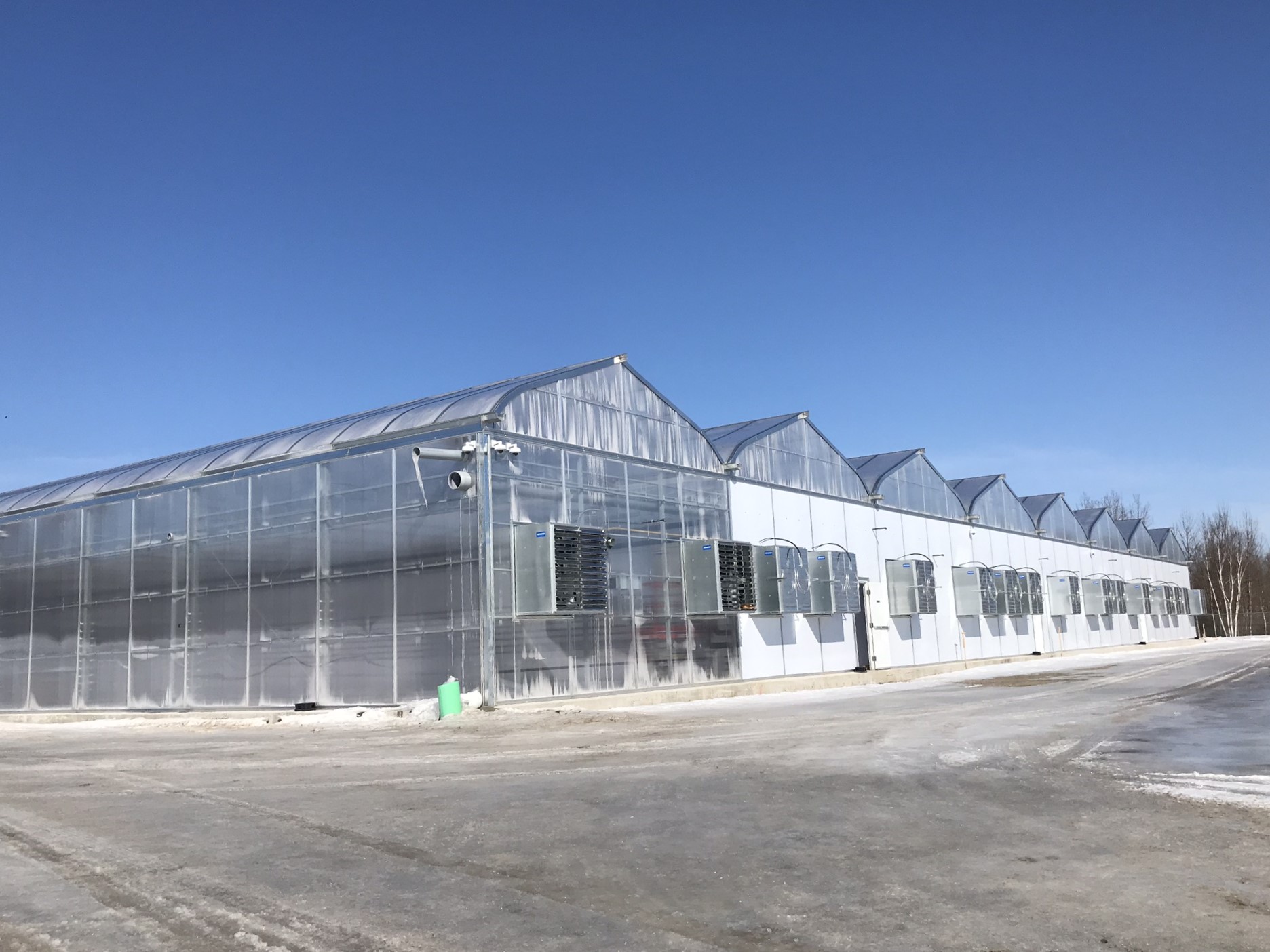
- Food & beverage factories
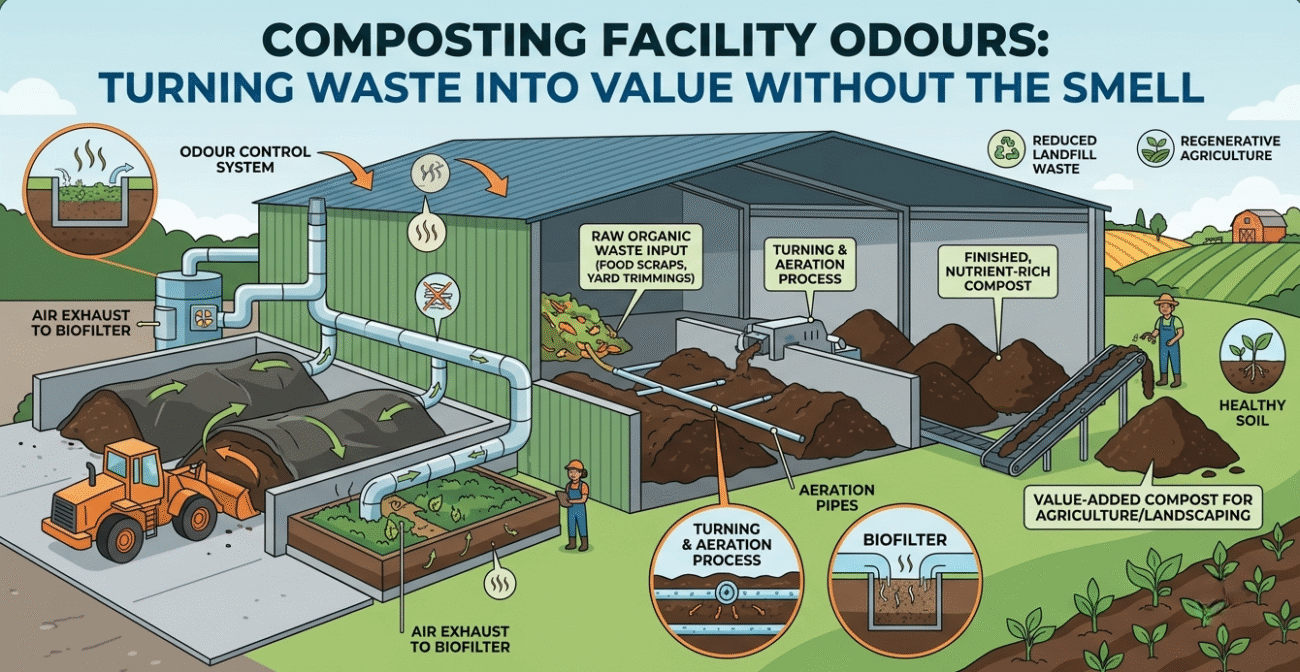
- Composting facilities
- Sludge storage and processing
- Industrial exhaust from factories
- HVAC and air handling systems
Many of these emissions contain compounds like amines, mercaptans, and organic acids, which are responsible for strong and persistent smells.
For a deeper understanding of how VOCs behave, the U.S. EPA offers a useful overview:
https://www.epa.gov/indoor-air-quality-iaq/volatile-organic-compounds-impact-indoor-air-quality- Wastewater treatment plants
2. What Is the Most Effective Way to Control Odours?
There is no single universal solution—the best approach depends on the odour’s origin, intensity, and airflow pattern. However, most effective odour control programs combine:
✔ Neutralization + Delivery System + Monitoring
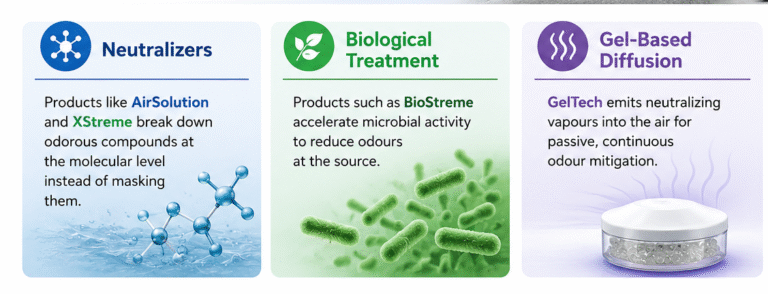
Neutralizers:
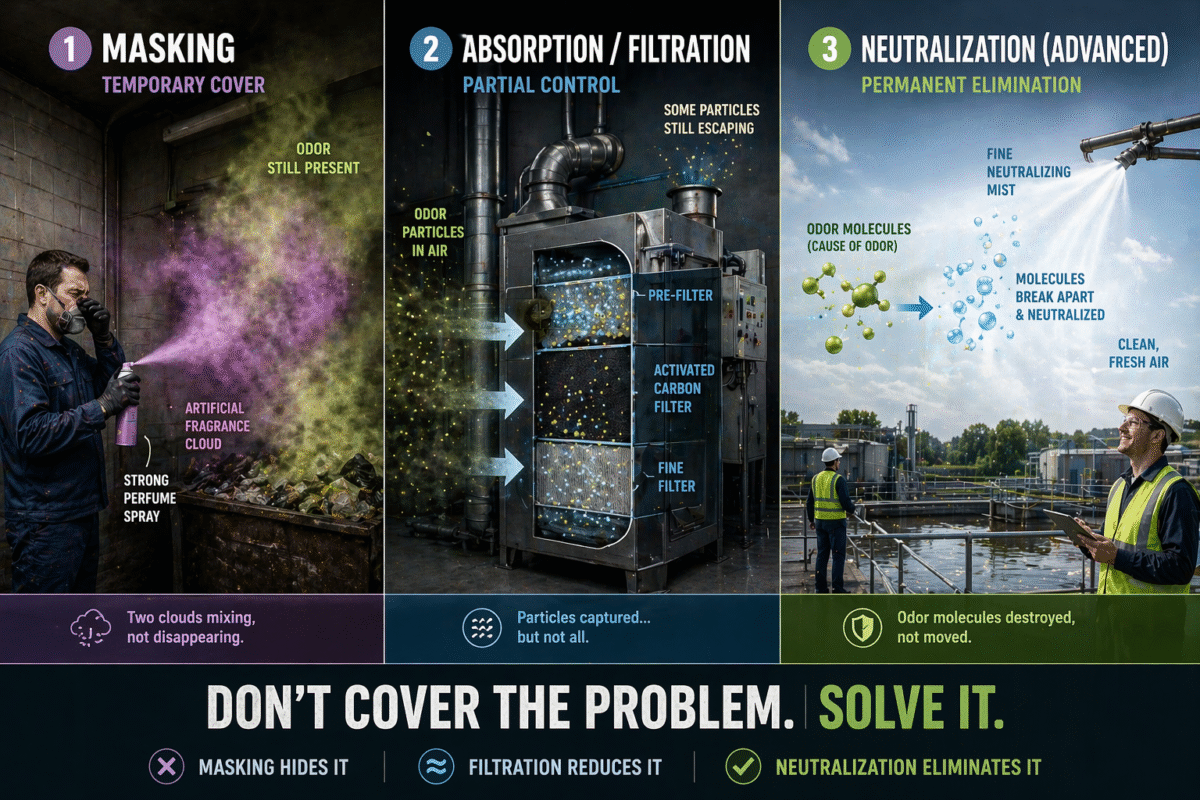
Products like AirSolution and XStreme break down odorous compounds at the molecular level instead of masking them.Biological Treatment:
Products such as BioStreme accelerate microbial activity to reduce odours at the source.Gel-Based Diffusion:
GelTech emits neutralizing vapours into the air for passive, continuous odour mitigation.Monitoring:
Solutions like AirSensory provide real-time detection and alerts to track odour trends and identify hotspots.
3. Are Odour Neutralizers Safe for People and the Environment?
High-quality odour neutralizers—such as AirSolution, XStreme, GelTech, and BioStreme—are typically:
- biodegradable
- non-hazardous
- made from natural plant extracts
- safe for indoor and outdoor use
- compliant with strict environmental regulations
Many formulations are certified under programs like Enviro-Canada or UL, California Proposition 65, depending on regional requirements.
For general safety guidance, the Canadian Centre for Occupational Health and Safety provides helpful resources:
https://www.ccohs.ca/oshanswers/chemicals/odours.html
4. What’s the Difference Between AirSolution, XStreme, GelTech, and BioStreme?
This is one of the most common odour control questions, and the distinction is important because each product family serves a different purpose.
AirSolution Odour Neutralizers
- Water-based, eco-friendly misting formulations
- Ideal for wastewater, landfills, food production & indoor facilities
- Delivered via high-pressure or low-pressure misting systems
Best For: Large outdoor or indoor areas requiring fast-acting mist application.
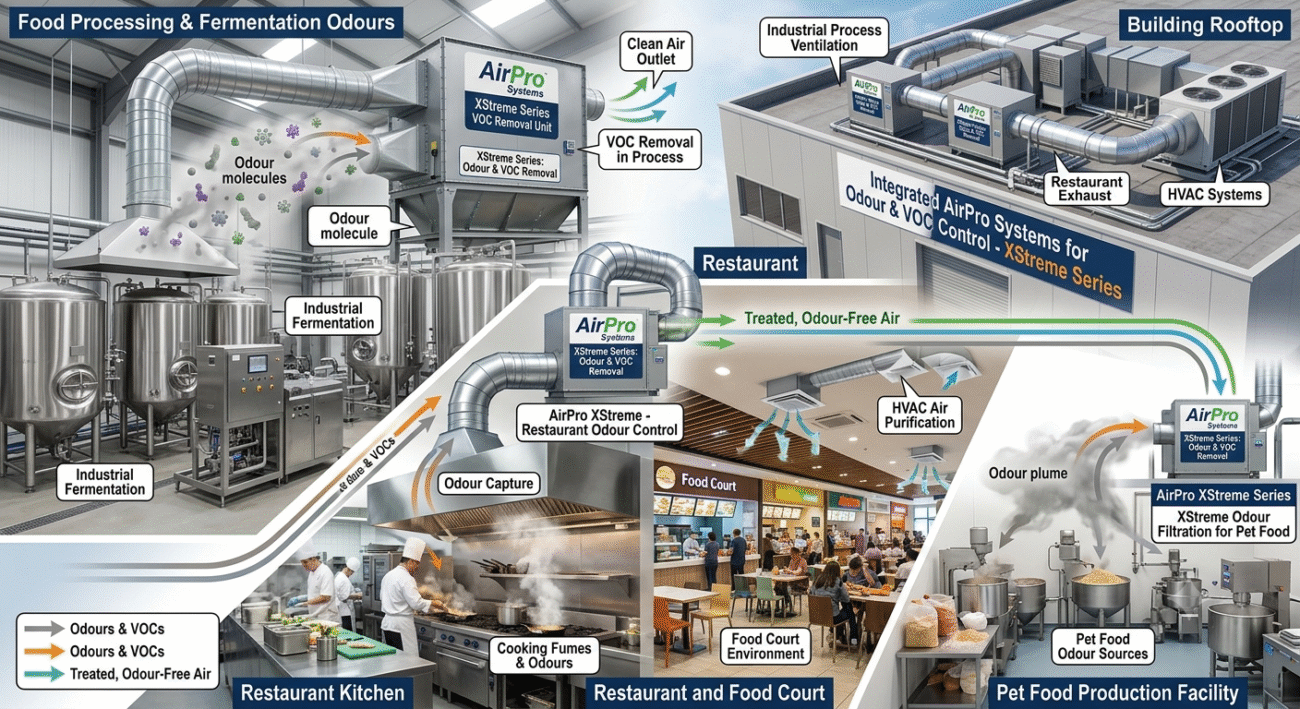
XStreme Industrial Treatments
- Highly concentrated neutralizers for severe odour environments
- Effective on tough emissions such as H₂S, mercaptans, and industrial VOCs**
- Applied in spray, drip, or injection systems
Best For: Industrial settings with intense odour concentrations.
GelTech Vapour Diffusion
- Solid gel blocks that emit continuous neutralizing vapours
- Zero water, zero electricity
- Ideal for rooms, hallways, garbage chutes, waste rooms, and HVAC closets
Best For: Passive, maintenance-free odour treatment.
BioStreme Biological Odour Control
- Liquid microbial nutrient blends
- Enhance microbial activity in wastewater, sludge, compost, and food waste
- Reduce odours at the biological source
Best For: lagoons, lift stations, sludge tanks, and organic waste operations.





5. Why Do Wastewater Plants Produce Strong Odours?
Wastewater treatment facilities are among the most odour-intensive operations due to:
- anaerobic zones producing sulfur compounds
- sludge digestion
- scum accumulation
- influent channel turbulence
- temperature fluctuations
Solution Framework:
For wastewater, a combination of BioStreme (source treatment) and AirSolution/XStreme (surface treatment) delivers exceptional results.Learn more about common wastewater odours from the Water Environment Federation:
https://www.wef.org/resources/for-the-public/public-information/odor-control/- anaerobic zones producing sulfur compounds
6. How Do I Troubleshoot Odour Problems in Industrial Facilities?
Troubleshooting begins with identifying whether you have:
1. Source Odours
Odours generated directly from organic or chemical processes.
✔ Best addressed with: BioStreme, XStreme, process optimization.2. Surface/Area Odours
Odour escaping into open air, buildings, or hallways.
✔ Best addressed with: AirSolution, GelTech, misting systems.3. Residual/Background Odours
Low-level smells from waste rooms, storage rooms, HVAC ducts.
✔ Best addressed with: GelTech, AirSensory monitoring.Step-by-Step Troubleshooting Checklist
- Identify odour source or location
- Measure odour intensity (AirSensory readings if available)
- Determine air movement and ventilation patterns
- Choose appropriate solution based on product family
- Adjust dosage, airflow, or application area
- Monitor results over 48–72 hours
- Record improvements and fine-tune delivery
Troubleshooting often reveals that simple adjustments—like repositioning a nozzle or adding a gel block—can dramatically improve results.
- Identify odour source or location
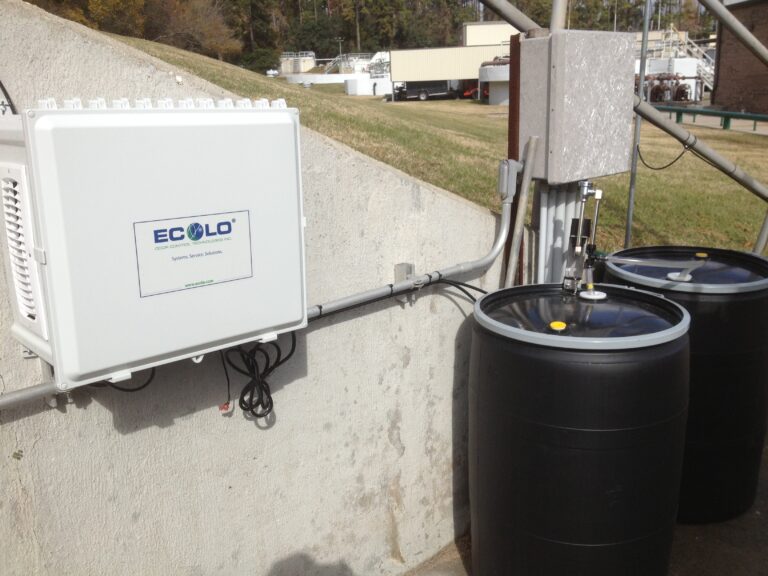
7. How Do Odour Sensor Monitoring Systems Work?
Sensory devices use advanced detection technologies to monitor odours and VOC levels in real time.
Features:
- Continuous monitoring (24/7)
- Data dashboard and trend analysis
- Alerts when levels rise above thresholds
- Community impact tracking
- Integration with odour mitigation equipment
Why Monitoring Matters
Monitoring provides accountability, transparency, and proof of performance—especially for municipalities, landfills, and wastewater plants facing community feedback.
Air quality monitoring reference:
https://www.who.int/health-topics/air-pollution- Continuous monitoring (24/7)

8. How Quickly Should Odour Control Products Start Working?
- AirSolution: results within minutes
- XStreme: rapid neutralization for heavy odours
- GelTech: noticeable improvement within hours
- BioStreme: 24–72 hours for biological changes
However, full effectiveness depends on:
- correct application
- appropriate dosage
- air circulation
- ambient temperature
- odour intensity
In most cases, customers report significant improvement within the first day.
9. How Do I Choose the Right Odour Control System?
Here is a quick decision matrix:
Situation | Best Technology | Why It Works |
General indoor odours | GelTech | Passive, long-lasting vapour diffusion |
Severe industrial odours | XStreme | Breaks down strong VOCs |
Large outdoor surfaces | AirSolution | Covers wide areas efficiently |
Biological odours from waste | BioStreme | Treats odour at its microbial source |
Garbage rooms / waste chutes | GelTech + AirSolution | Combined vapour + misting |
Wastewater lagoons | BioStreme + AirSolution | Microbial + surface control |
If you operate a landfill, transfer station, wastewater facility, MRF, or food facility, a hybrid system is typically the most effective.
10. How Do I Maintain Odour Control Systems Long-Term?
Routine Maintenance Tips
For AirSolution Misting Systems
- Check pumps and lines weekly
- Refill product drums as needed
- Inspect nozzles for blockage
- Calibrate output pressure monthly
For GelTech
- Replace gel blocks every 30–60 days
- Keep units elevated for optimal diffusion
For BioStreme
- Maintain consistent dosing
- Monitor dissolved oxygen and microbial activity
- Reduce chemical shock (pH stabilization helps)
For XStreme
- Maintain recommended dilution ratios
- Keep storage sealed
- Track application areas on a map
Following this routine ensures continuous, predictable, and compliant odour mitigation performance.
Final Thoughts
Odour control is a science—and when done correctly it enhances workplace safety, community relations, environmental compliance, and brand reputation. Whether you’re dealing with routine indoor smells or severe industrial odours, there is a targeted solution available.
GelTech, AirSolution, XStreme, BioStreme, and AirSensory represent a complete toolkit for any operation, from passive room treatments to advanced biological control and real-time monitoring.