
AirSensory: The Art & Science of Creating a Signature Scent

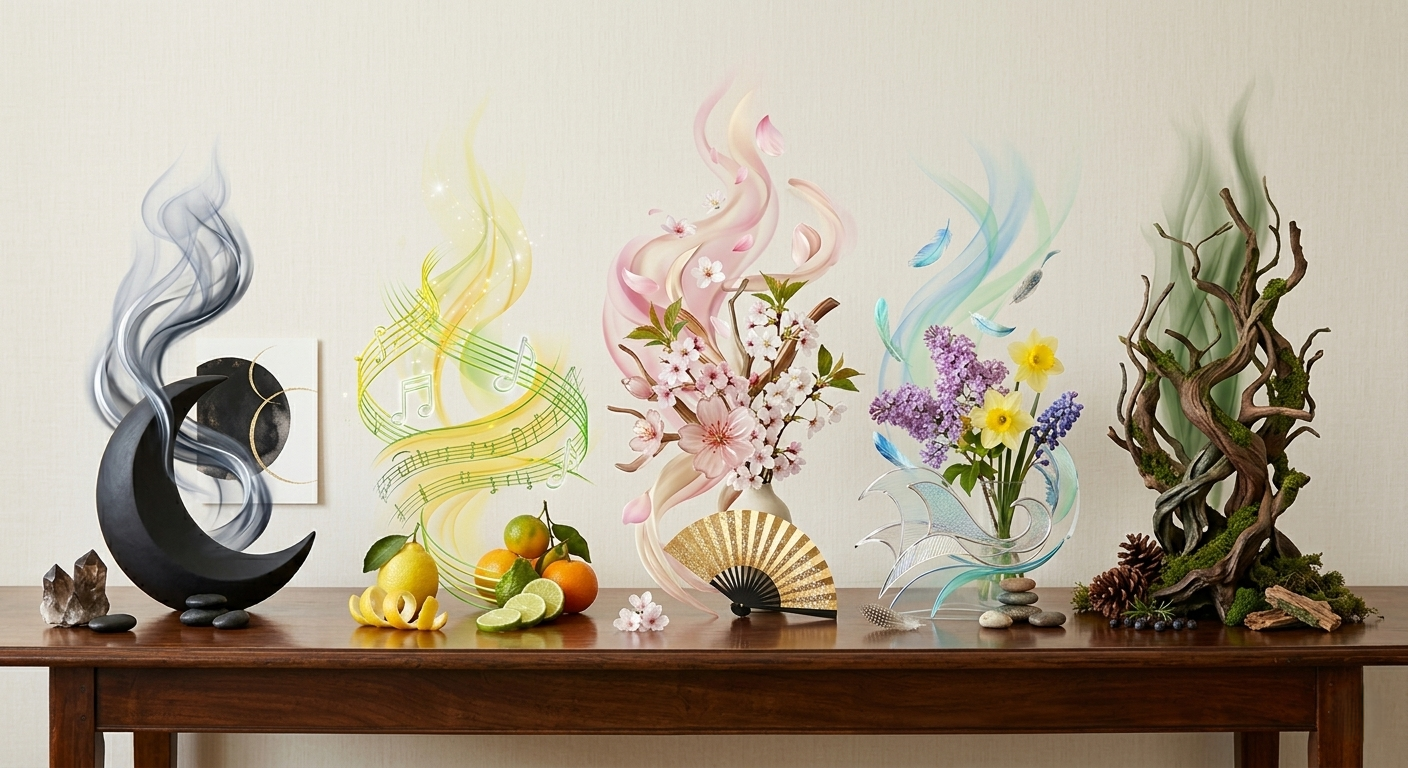
Great brands don’t leave atmosphere to chance. They design it—lighting, sound, texture, and yes, scent. Fragrance is the most emotionally direct of the senses, wiring memory and mood in a heartbeat. With AirSensory, you can turn that invisible lever into a measurable advantage: a signature scent that expresses your brand, supports indoor air quality, and enhances the way guests, shoppers, and members feel in your spaces.
This in-depth guide breaks down the science of ambient fragrance, the strategy of scent marketing, and the technology you can deploy—from HVAC diffusers to portable cold-air systems—plus how the AirSensory Collection of premium scents fits hospitality, retail, fitness, and spa environments. Along the way, we’ll connect the dots to recognized IAQ and ventilation guidance so your experience-first approach is also a healthy, standards-aware one. Environmental Protection Agency+1
Why ambient fragrance Marketing Works (and Where It Can Go Wrong)
Ambient scent has been shown to influence dwell time, perceived product quality, and purchase intent when it’s congruent with the environment (e.g., a crisp citrus in an active retail zone, a soft wood-musk in a lounge). Academic and industry research alike points to improved memory encoding and positive affect when fragrance aligns with context and brand cues. Conversely, overly intense or mismatched scents can backfire. A balanced, data-driven approach matters. ijosmas.org+1
Pro tip: Start with a pilot: two to four weeks of A/B fragrance trials in matched zones. Track footfall, dwell time, and sales or member satisfaction to isolate the scent effect.
The IAQ Foundation: Pair Atmosphere with Air Quality
Keywords: indoor air quality, ventilation
Scent strategy should complement—not replace—good air. Best practice is to prioritize source control, ventilation, and filtration, then layer a low-residue, precisely dosed fragrance. Referencing frameworks like the EPA’s IAQ guidance and ASHRAE 62.1/62.2 helps you align ambience with occupant health and comfort while communicating standards awareness to stakeholders. Environmental Protection Agency+1
Checklist before fragrance deployment
- Verify ventilation rates meet local code / ASHRAE 62.1 baselines.
- Maintain filtration and housekeeping routines.
- Choose fragrance delivery systems engineered for dry, cold-air diffusion (no added heat, minimal residue).
- Implement “right-sizing” of scent intensity by zone and occupancy patterns.
AirSensory Approach: From Brand Story to Signature Scent
Keywords: AirSensory, signature scent, ambient fragrance
Designing a signature scent blends perfumery (top/middle/base notes, diffusion curves) with brand strategy (values, audience, price position) and operational realities (foot traffic, HVAC, cleaning schedules). Leading hospitality programs use discovery workshops and moodboards; they iterate on accords that reflect locale, materials, and moments—check-in, treatment rooms, locker corridors, etc. Done right, the scent becomes a mnemonic for your brand’s promise. Hospitality Insights+1
AirSensory discovery flow
- Brand & Space Audit: traffic map, IAQ baseline, materials.
- Palette Selection: shortlist accords aligned to your identity.
- Zone Mapping: assign diffusion profiles by area size & purpose.
- Pilot & Telemetry: test two intensities; gather guest/member feedback.
- Codify & Scale: roll out with playbooks for seasonality and events.
Diffuser Technologies 101: Choose the Right Engine for Your Atmosphere
Keywords: diffuser options, ambient fragrance, scent marketing
Not all diffusion is equal. The right platform ensures consistent throw, precise control, and low residue—key for indoor air quality and maintenance.
1) HVAC-Integrated Cold-Air Diffusers
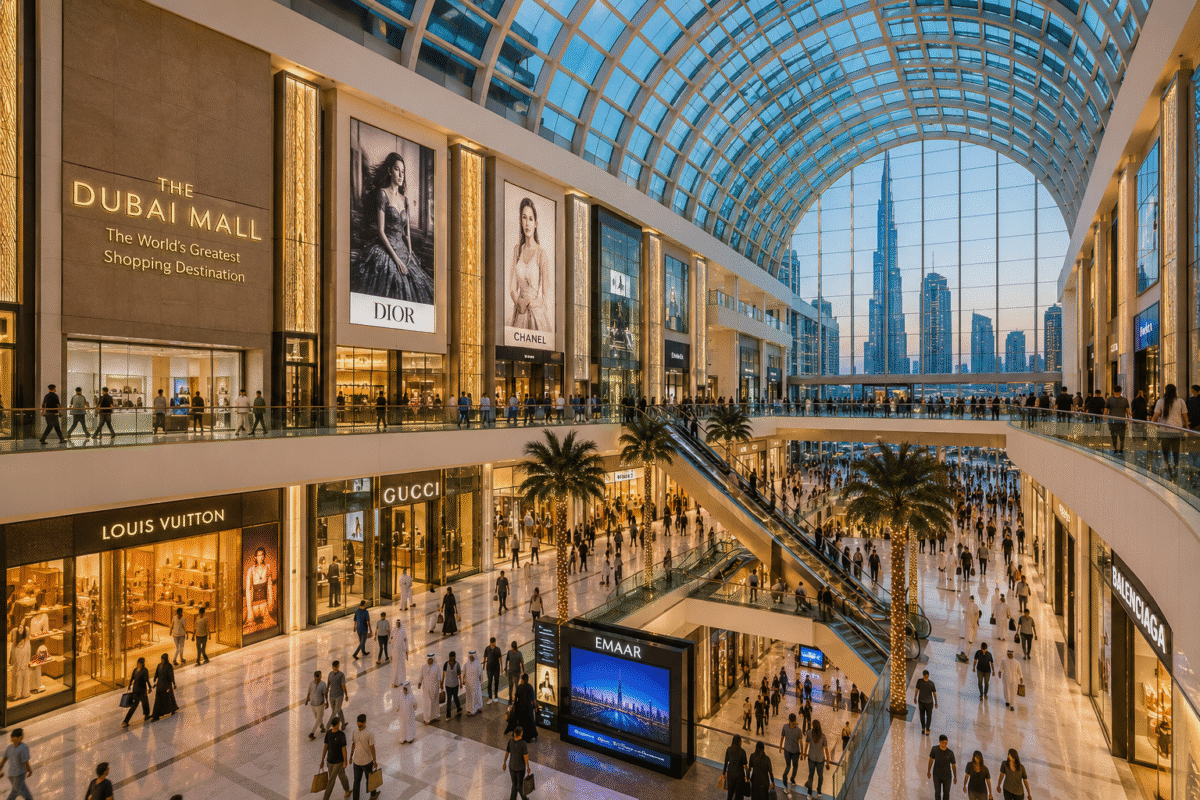
- Best for: hotels, malls, casinos, large fitness clubs.
- Advantages: uniform coverage, central control, discreet hardware.
- Notes: requires facilities coordination and commissioning.
2) Standalone Cold-Air (Nebulizing) Diffusers
- Best for: retail floors, spa lounges, hotel lobbies.
- Advantages: atomize pure fragrance without heat or water; strong, dry diffusion; zonal control.
- Notes: select commercial-grade units for continuous runtime. Aroma360+1
3) Ultrasonic Diffusers (Water-Based)
- Best for: back-of-house, micro-zones, or where added humidity is welcome.
- Advantages: gentle scent, budget-friendly, small footprint.
- Notes: water tanks require diligent cleaning; scent intensity is milder. Organic Aromas®
4) Cartridge / Programmable Micro-Diffusers
- Best for: elevators, corridors, washrooms, treatment rooms.
- Advantages: replaceable cartridges, time-of-day programming, low service burden.
Control features to insist on
- 1–10 (or finer) intensity steps per zone
- Daypart scheduling (open, peak, close)
- Occupancy or door-counter triggers
Maintenance alerts (low oil, service due)

The AirSensory Collection: Premium Scent Families for Commercial Spaces
Keywords: AirSensory Collection, ambient fragrance, scent marketing
Below are curated scent families and where they shine. Exact accords can be customized, but these archetypes cover most use cases while staying elegant and brandable.
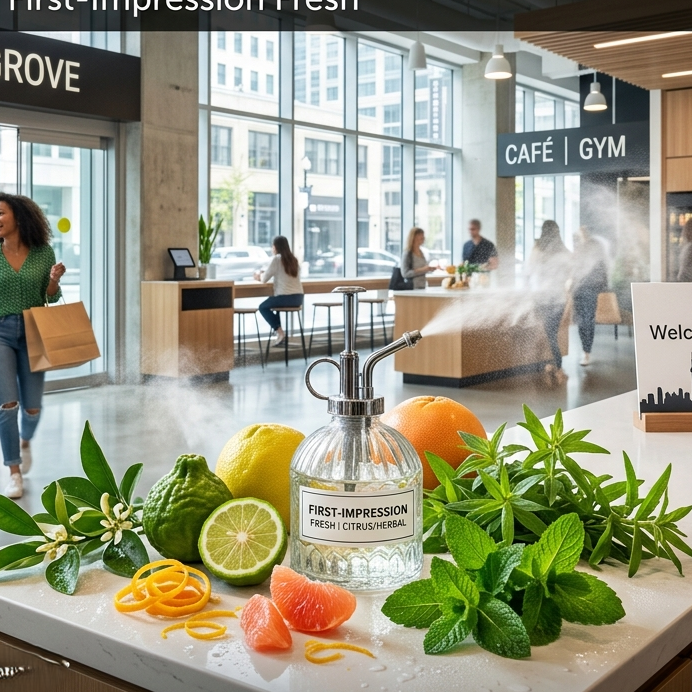
CITRUS / HERBAL – “First-Impression Fresh”
Notes: bergamot, grapefruit zest, petitgrain, verbena, mint.
Where it works: retail entrances, gym reception, grab-and-go cafés.
Why: clean, uplifting, energizing; communicates freshness and motion.
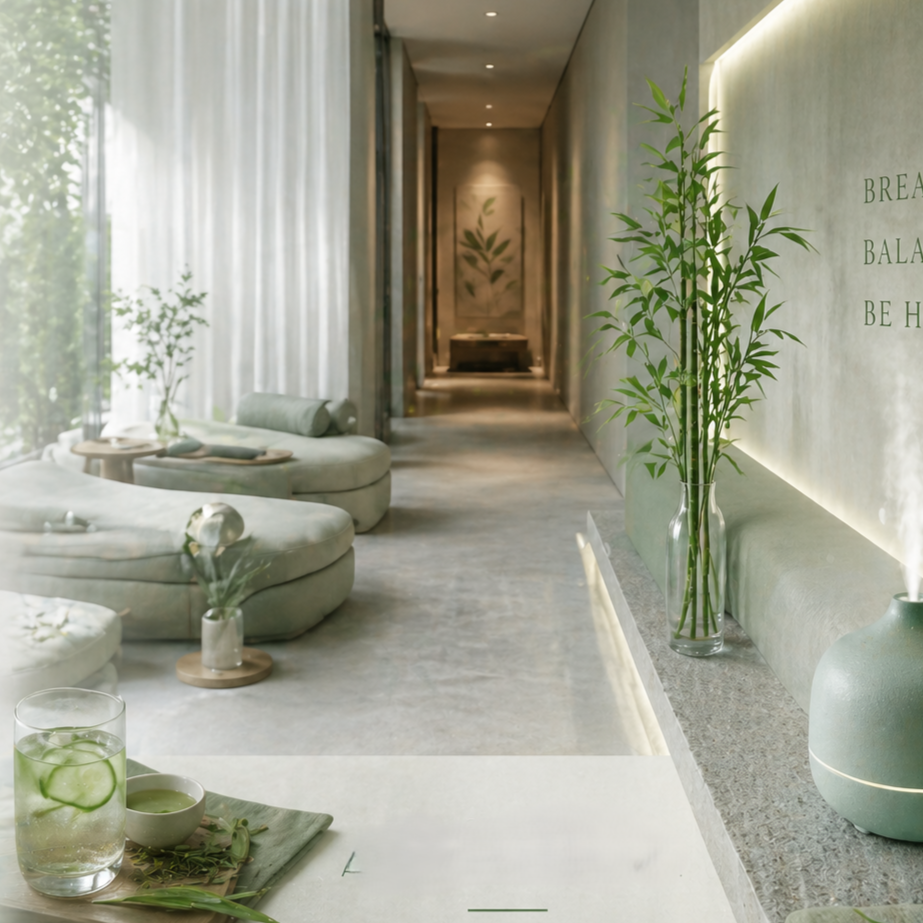
GREEN / AQUEOUS – “Wellness Calm”
Notes: bamboo leaf, green tea, cucumber water, violet leaf, ozone.
Where: spa lounges, treatment corridors, yoga studios.
Why: a modern, barely-there coolness that reads sanitary and serene.
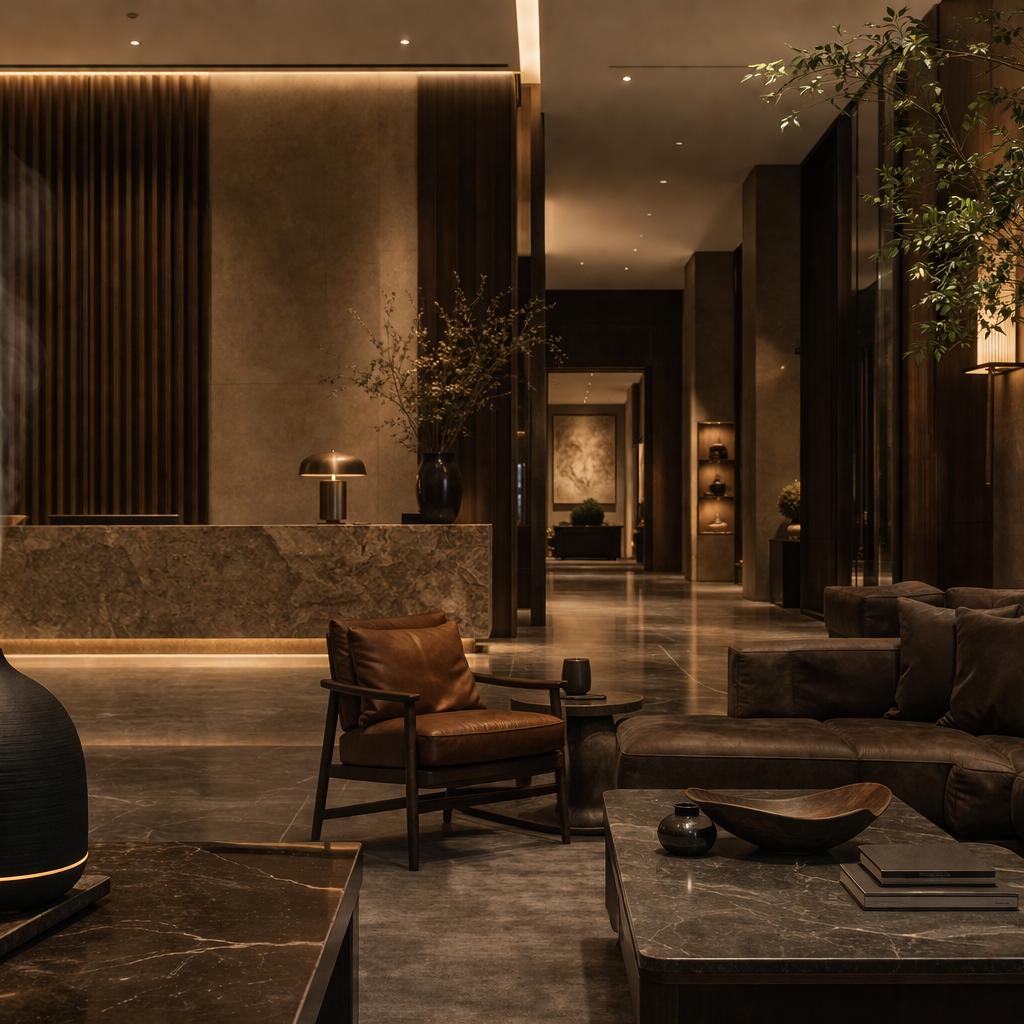
WOODS / MUSKS – “Grounded Luxury”
Notes: cedar, guaiac, sandalwood, ambrette, cashmeran.
Where: hotel lobbies, executive lounges, private retail salons.
Why: warmth and longevity; pairs with stone, leather, and dark woods.
AMBER / RESINS – “Evening Signature”
Notes: amber accord, tonka, labdanum, soft spice.
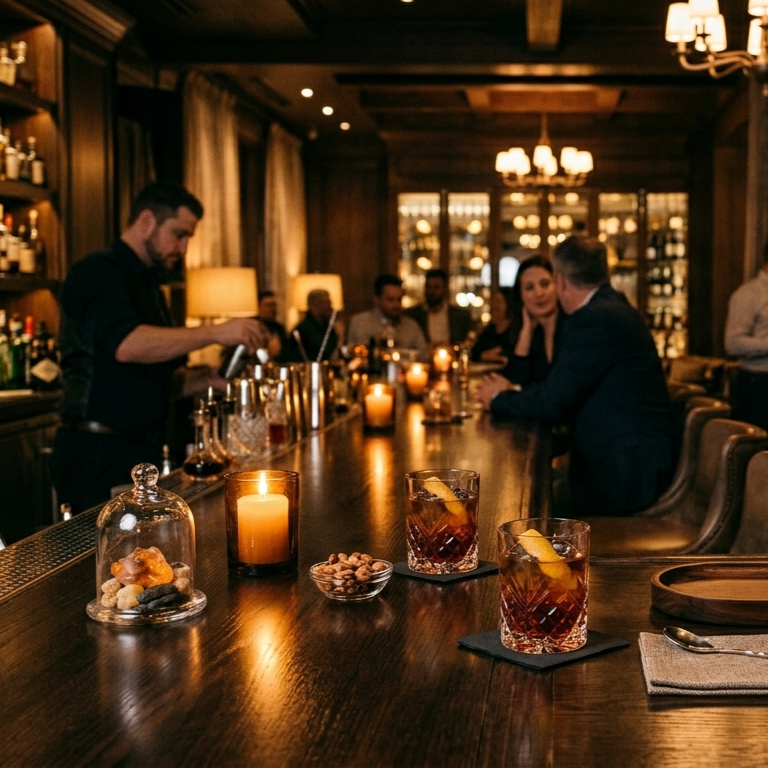
Where: cocktail bars, destination restaurants, late-hours retail.
Why: sensual and memorable; ideal for after-dark programming.
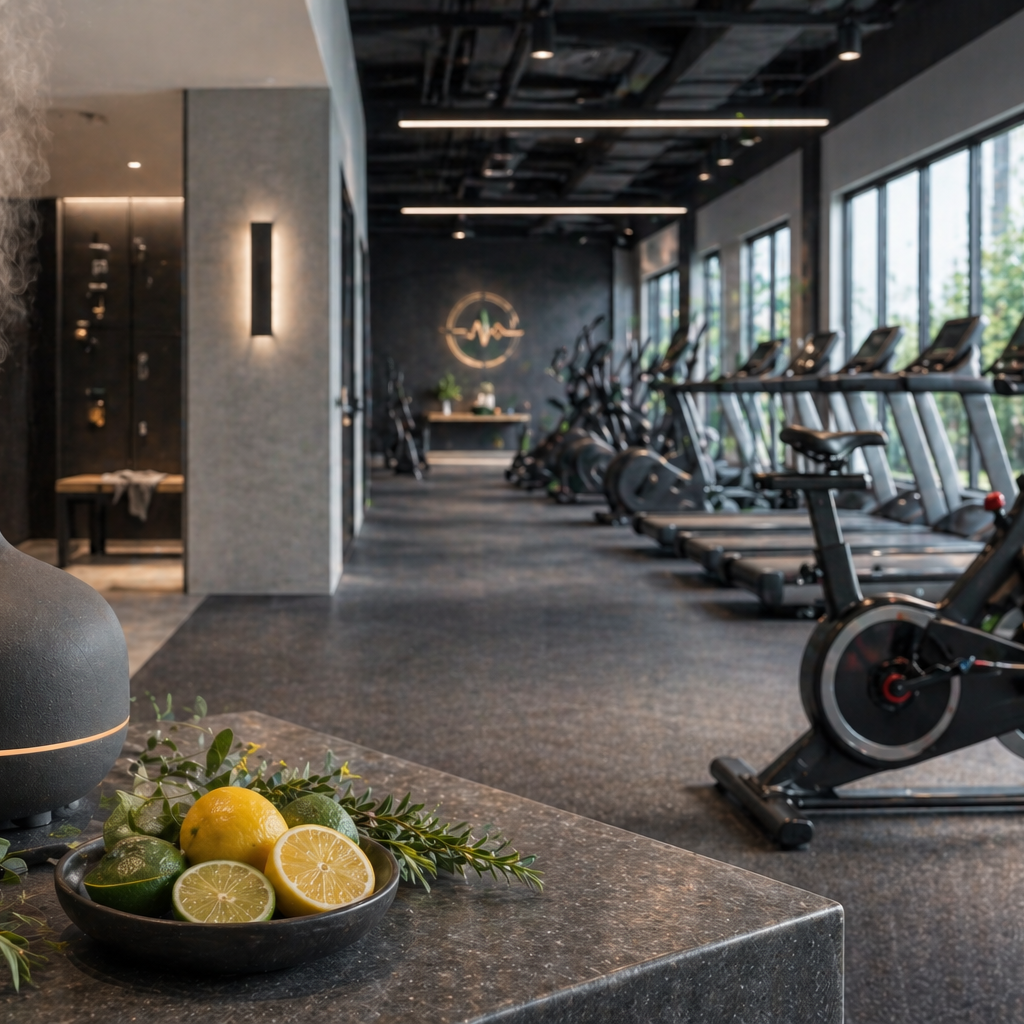
AROMATIC / SPORT – “Clean Performance”
Notes: rosemary, clary sage, eucalyptus, citrus rind.
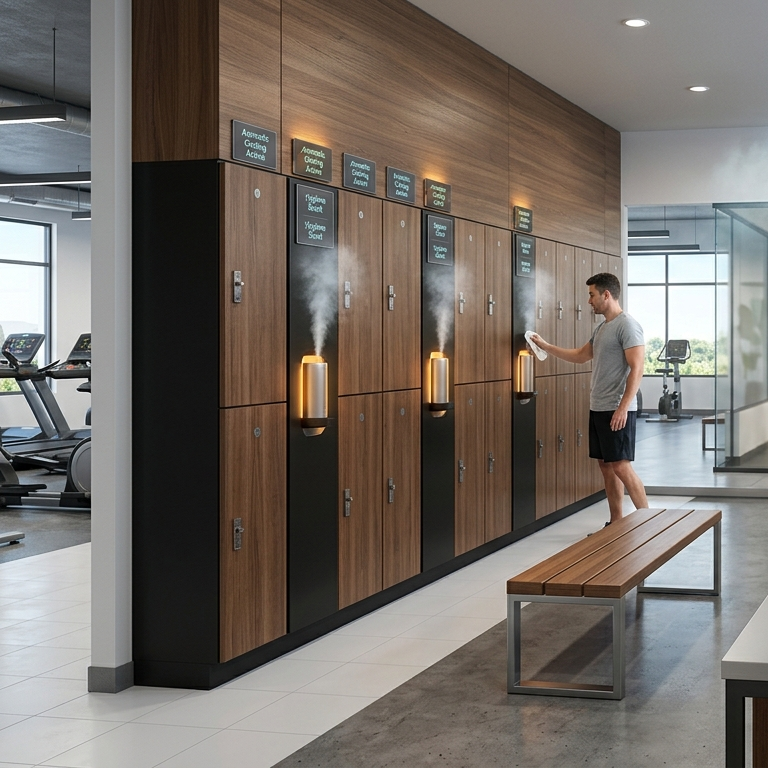
Where: locker rooms (post-clean), cardio floors, cycling studios.
Why: reads hygienic and invigorating; supports quick turnover.
Hotels: Designing a Fragrant Arrival & a Restful Stay
Keywords: scent marketing for hotels, signature scent, ambient fragrance
Zone map
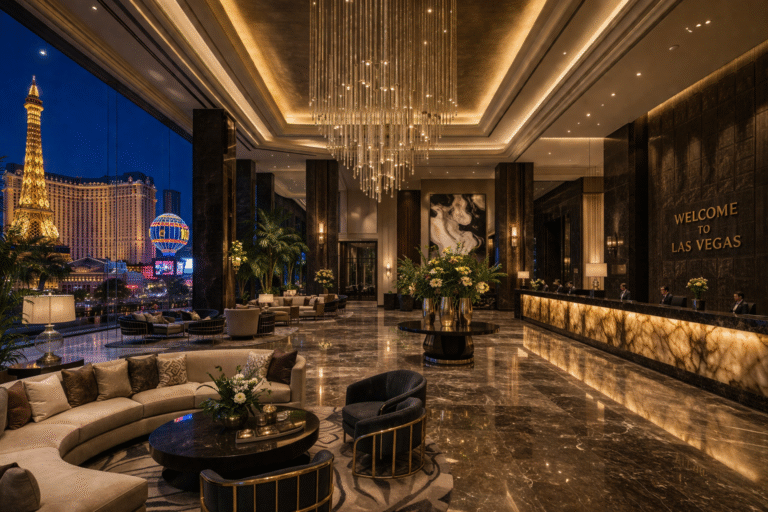
- Arrival & Lobby: a woods-citrus signature at low-medium intensity communicates polish without overwhelming.
- Elevators & Corridors: cartridge diffusers at gentle intensity for continuity.
- Guest Floors: lighter green/tea profiles avoid clashing with room care products.
- F&B & Bars: richer amber-spice signatures in evening dayparts only.
Business wins
- Distinctive brand memory that travels (candles, room sprays, retail sets).
- Perceived upscale positioning and dwell time gains in lobby F&B.
- Cohesive guest journey across touchpoints, mirroring industry exemplars who’ve turned signature scents into equity and retail offerings. Condé Nast Traveler+1
Operational tips
- Align diffuser schedules with occupancy curves.
- Integrate scent SOPs with housekeeping and engineering calendars.
- Keep scent SKUs tight (one hero, two auxiliaries) to avoid “fragrance drift.”
Retail: Lift First Impressions, Dwell Time, and Basket Size
Keywords: retail scent marketing, ambient fragrance
A well-placed citrus or citrus-herbal at entrances and cash wrap can elevate mood and perceived cleanliness; a soft gourmand near seasonal displays can nudge exploration. Studies have repeatedly connected congruent ambient scent with improved shopper mood and purchase intent; your goal is sub-perceptual comfort, not perfume-counter volume. Business News Daily+1
Playbook
- Entrance: bright, clean accord at low intensity.
- Fitting rooms: zero (respect sensitivity).
- Cash wrap: fade to neutral; don’t compete with focus.
- Seasonal zones: micro-diffusers with time-boxed programs.
Gyms & Fitness Clubs: “Clean Energy” Without the Chemical Smell
Keywords: gyms, ambient fragrance, indoor air quality
Members equate clean air with clean facilities. Pair ASHRAE-aligned ventilation with dry, cold-air diffusion and you’ll replace post-workout malodour with a fresh “sport aromatic” that signals hygiene. Locker rooms benefit from programmable pulses after cleaning windows; cardio floors do best with a restrained citrus-herbal. Keep diffusion clear of fans to prevent hotspots. Squarespace
Metrics to track
- Member satisfaction (post-workout surveys)
- Complaint reduction (odour, “stale air”)
- Dwell time in activation zones (stretch, lounge)
Spas & Wellness: Fragrance as Therapy—But Subtle
Keywords: spas, ambient fragrance, brand experience
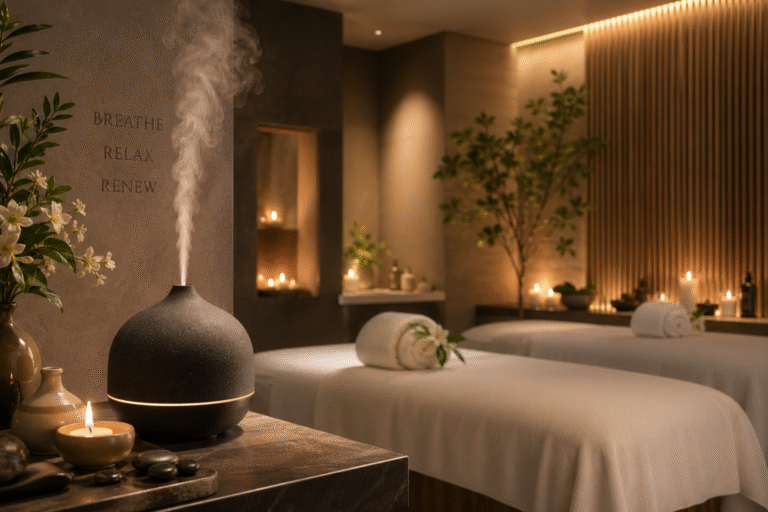
Wellness guests expect “natural,” “pure,” and “quiet.” Think green tea, bamboo, and soft florals barely above perception—especially in relaxation lounges and treatment corridors. Reserve richer accords for retail areas to support product sell-through. Back-of-house laundry and linen closets can carry a clean musk to reinforce freshness.
Design notes
- Respect therapist protocols; avoid diffusion during treatments unless requested.
- Program intensities to near-zero during deep breathing classes.
Choose hypoallergenic, IFRA-compliant bases and document ingredients for transparency.
- Entrance: bright, clean accord at low intensity.
Health & Safety: How Fragrance Lives Inside Responsible IAQ
Keywords: indoor air quality, ventilation, scent marketing
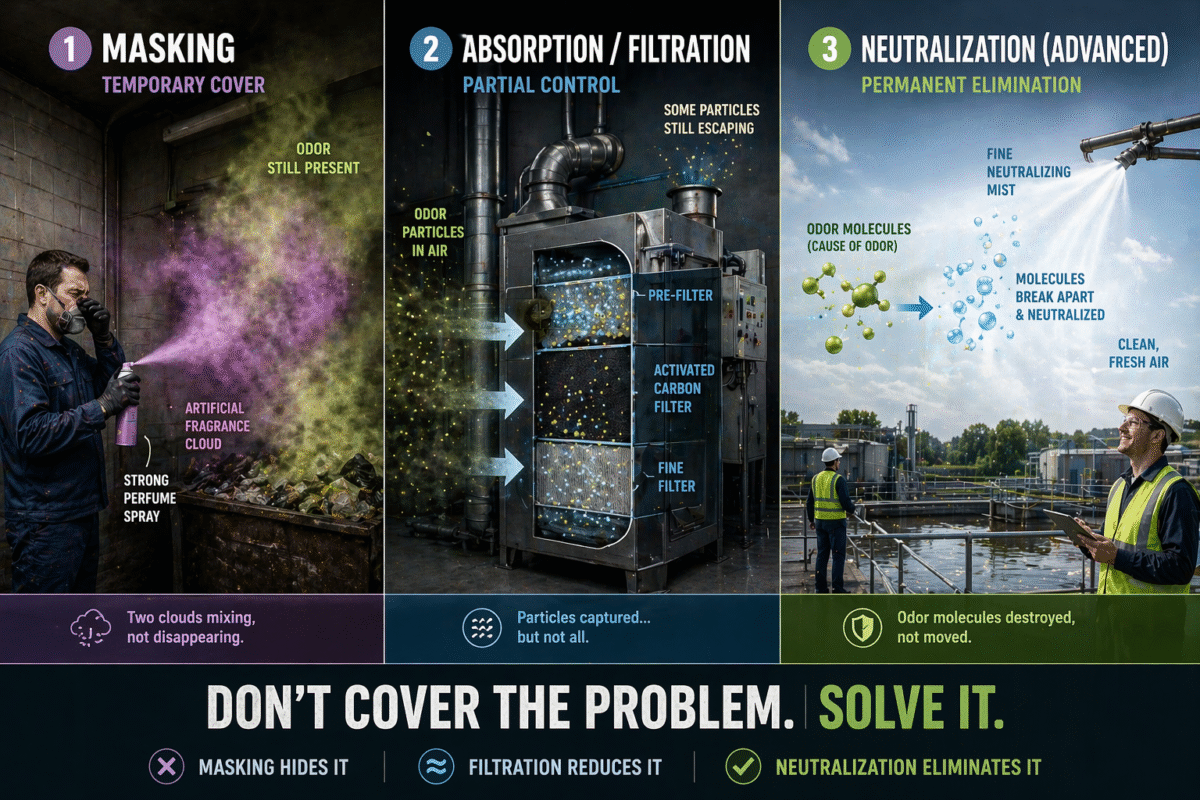
You’ll get better results—and better buy-in—when you situate scent as the last 5% of atmosphere, not a cover-up. Communicate your IAQ posture clearly:
- Ventilation: you meet or exceed ASHRAE 62.1 minimums for occupancy.
- Source control: cleaning, waste, and maintenance SOPs are robust.
- Filtration: media changes are on schedule; MERV ratings meet design intent.
- Fragrance: cold-air diffusion with dosing controls, ingredient transparency, and zone-specific programs. Environmental Protection Agency+1
Implementation Roadmap: From Pilot to Portfolio
Keywords: scent marketing, ambient fragrance, AirSensory
Phase 1 — Discovery (Weeks 1–2)
- Stakeholder interviews (brand, ops, EHS).
- IAQ snapshot; HVAC and airflow mapping.
- Scent palette shortlist from the AirSensory Collection.
Phase 2 — Pilot (Weeks 3–6)
- Install two diffuser types (HVAC + standalone) in matched zones.
- Test two intensities; collect qualitative (guest/member comments) and quantitative (dwell, sales, satisfaction) data.
Phase 3 — Rollout (Weeks 7–12)
- Finalize hero signature + two auxiliaries.
- Create zone and daypart schedules; train facilities and housekeeping.
- Launch retail extensions (candles, room sprays) if applicable.
Phase 4 — Sustain (Quarterly)
- Seasonal tweaks (lighter in summer, deeper in winter evenings).
- Filter/diffuser maintenance; cartridge change plans.
- Review KPIs; refresh creative for campaigns and events.
Frequently Asked Questions
Is scent marketing compliant with ventilation standards?
Scent is not a substitute for ventilation. Keep fragrance programs within a robust IAQ plan guided by EPA best practices and ASHRAE 62.1 minimums; use dry, cold-air diffusion and conservative intensity as your baseline. Environmental Protection Agency+1
Which diffuser is right for us?
- HVAC for large, uniform areas (lobbies, malls, full-floor retail).
- Cold-air standalone for zones needing granular control.
- Ultrasonic for micro-zones where added humidity is acceptable. Aroma360+1
Can we have different scents in different spaces?
Yes—use a signature backbone (e.g., bergamot + cedar) and vary supporting notes by zone (green tea for spa, rosemary for gym, soft amber for bar).
How strong should it be?
Aim for “noticeable when entering, forgettable after five minutes.” If guests comment on “the smell,” it’s probably too intense.
Sample AirSensory Programs by Vertical
Keywords: AirSensory, ambient fragrance
Hotels
- Lobby (All Day): Woods/Citrus “First Welcome” (Intensity 3/10).
- Elevators & Corridors: Cartridge “Continuity Clean” (2/10).
- Bar (Evening): Amber/Spice “Night Signature” (4–5/10).
- Retail Extension: Candle + 100 ml room spray; brand box.
(Global examples show how signature scents reinforce identity and can become sellable amenities.) Vanity Fair
Retail
- Entrance: Citrus/Herbal “Open Air” (2–3/10).
- Promos: Micro-diffusers with seasonal trial windows.
- Fitting Rooms: Neutral.
(Evidence links congruent ambient scent with positive shopping behavior—keep it subtle.) Business News Daily+1
Gyms
- Reception & Cardio: Aromatic/Sport “Clean Energy” (2–3/10).
- Locker Rooms: Programmable pulses after cleaning; avoid continuous diffusion.
(Pair with ventilation best practices.) Squarespace
Spas
- Lounge & Corridors: Green/Aqueous “Quiet Calm” (1–2/10).
- Retail: Slightly warmer floral-musk to support trial.
(Hospitality scent design emphasizes congruence with service rituals.) Hospitality Insights
Measurement & Governance: Make It Measurable
KPIs
- NPS/CSAT deltas in scented vs. control zones
- Dwell time in lobby/F&B/retail hotspots
- Retail attach rates for scented amenities
- Member complaint reduction (odour/“stale” air)
- Maintenance logs (cartridge life, filter changes)
Governance
- Keep a fragrance register (IFRA compliance statements, SDS, batch numbers).
- Define maximum intensity by zone type (e.g., healthcare-adjacent spaces = ultra-low).
- Establish opt-out zones (quiet rooms, meditation spaces, fitting rooms).
- Review quarterly with EHS and brand.
Bringing It All Together
AirSensory turns scent marketing into a disciplined craft. It starts with indoor air quality and ventilation, then layers a context-congruent ambient fragrance that tells your story—softly and consistently—across hotels, retail spaces, gyms, and spas. With the right diffuser options, thoughtful IAQ alignment, and a curated AirSensory Collection of premium accords, your brand doesn’t just look and sound like itself. It smells like itself—memorable, elevated, and unmistakably yours.
Next steps
- Schedule a discovery session (brand/space/IAQ).
- Pilot two AirSensory accords with zone-specific intensities.
- Codify a playbook and scale across your portfolio.
Design atmosphere with intention. Your signature scent is waiting.