XStreme: The Power Solution for Industrial, Commercial, and Building Odor Emissions


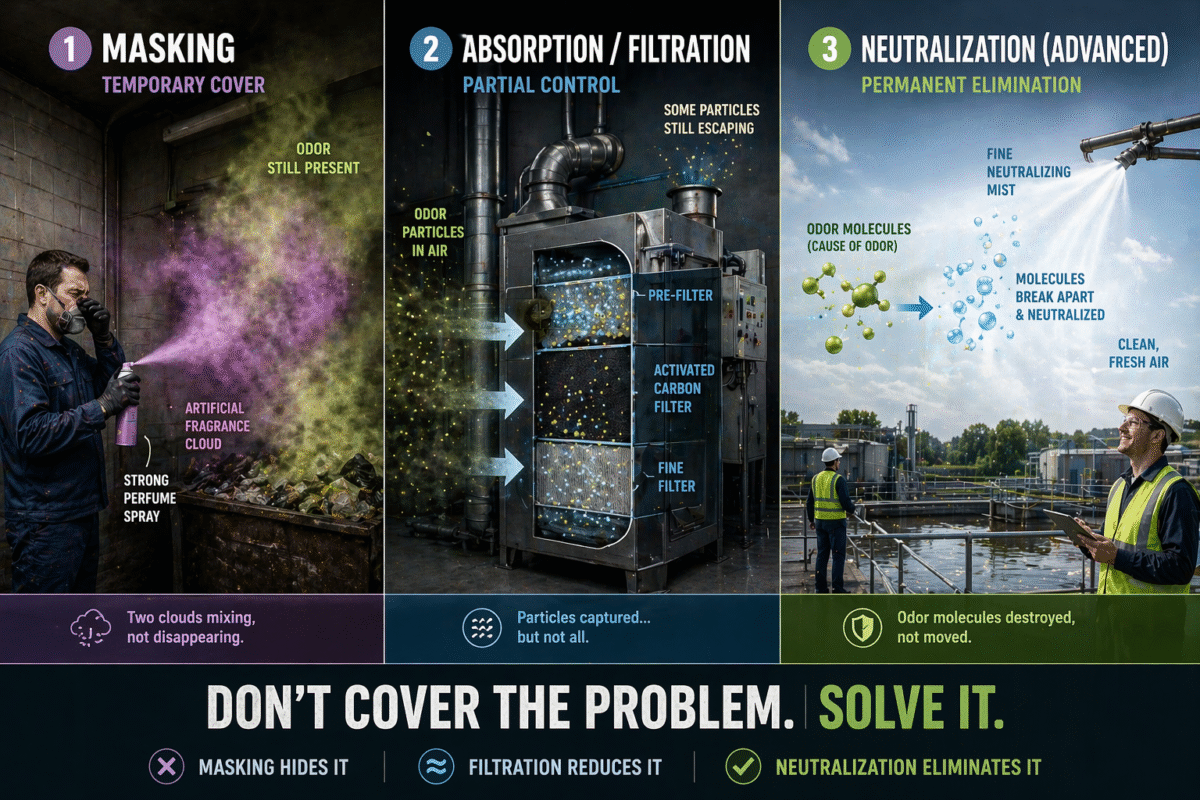
Odour emissions have become one of the most critical environmental challenges facing industrial operations, commercial environments, and trash chutes in multi-residential buildings. As urban density grows, communities expand closer to industrial zones, and environmental regulations intensify, managing odor emissions is no longer an optional convenience—it is a mandatory component of responsible and sustainable facility management.
From industrial manufacturing plants to large commercial complexes, from greenhouses to trash chute systems in high-rise buildings, odours have significant impacts on health, safety, productivity, and customer satisfaction. This rising demand for advanced odour control has paved the way for innovative technologies capable of delivering consistent, scalable, and measurable performance.
Among them, XStreme stands out as a powerhouse. Built for heavy-duty environments, engineered with precision misting systems, and compatible with chemical scrubbers, XStreme is redefining odour control through science-driven engineering and robust industrial design.
This article offers a comprehensive, 360° spotlight on XStreme—its engineering principles, technological advantages, and wide-ranging applications across industrial, commercial, greenhouse, and building environments.
1. Understanding the Complexity of Industrial Odour Emissions
Industrial odours are rarely caused by a single compound. Instead, they arise from a mixture of volatile organic compounds (VOCs), sulfur-based gases, nitrogen-based gases, and organic decomposition byproducts. These compounds interact dynamically with temperature, humidity, microbial activity, and operational processes.
Common odour-generating chemicals include:
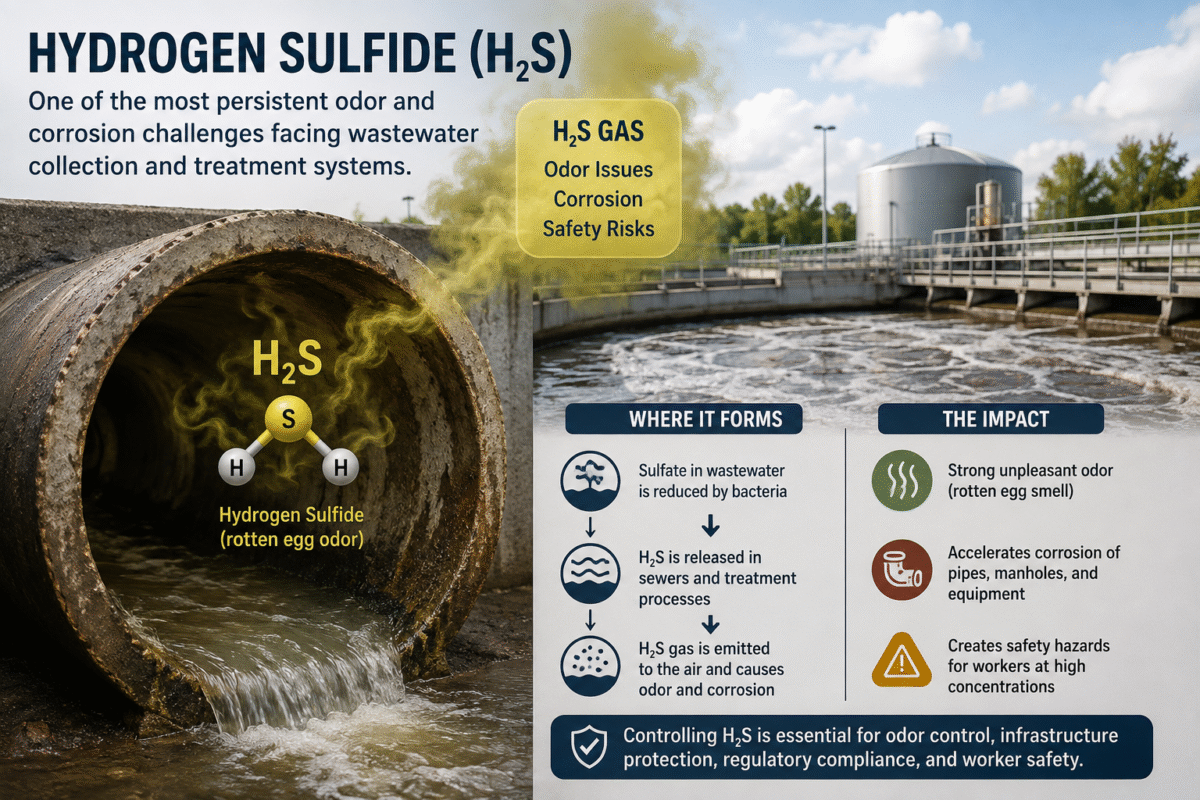
- Hydrogen sulfide (H₂S)
- Ammonia (NH₃)
- Mercaptans
- Volatile fatty acids (VFAs)
- Amines
- Sulfur-based VOCs
- Organic nitrogen compounds
These chemicals are typically found in:
- Wastewater headworks
- Aeration tanks
- Landfills and transfer stations
- Sludge dewatering rooms
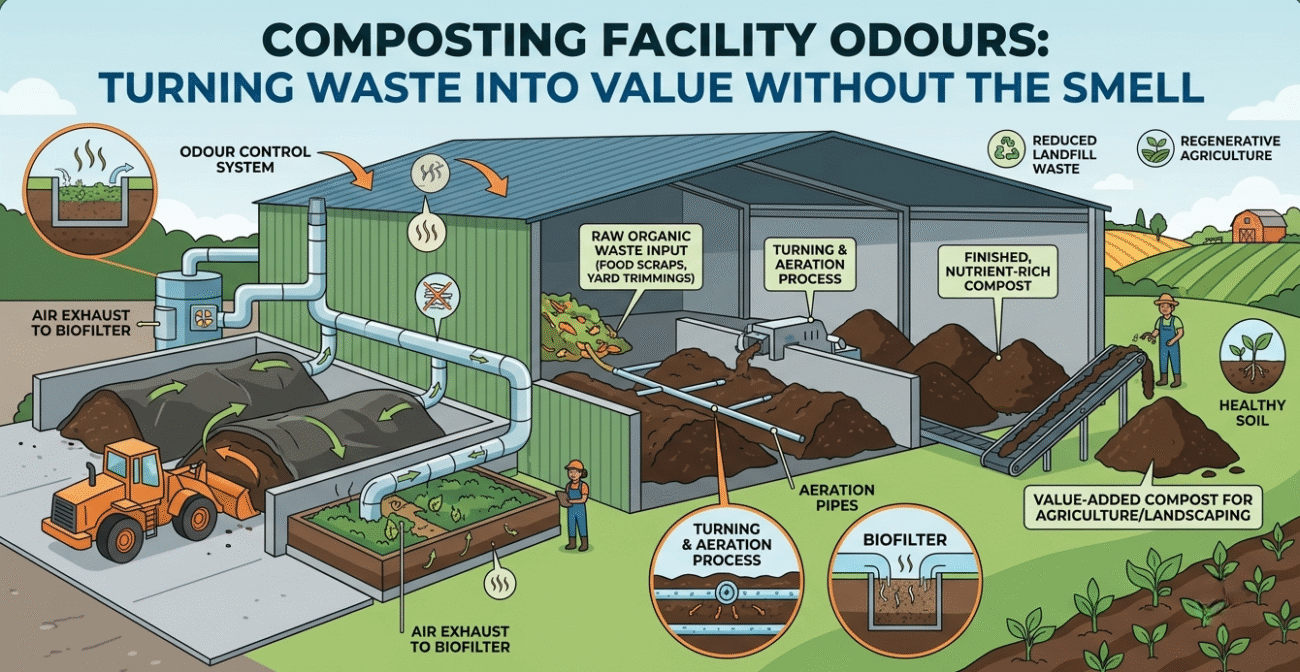
- Composting operations
- Chemical processing plants
- Food production facilities
Odours are more than unpleasant—they can migrate through ventilation systems, penetrate workspaces, contribute to corrosion, and impact community relations.
Understanding VOC impact
For detailed context on VOCs and their environmental implications, refer to the U.S. Environmental Protection Agency’s overview:
https://www.epa.gov/air-emissions-inventories/volatile-organic-compounds
Industrial odour control must therefore be able to manage high airflow volumes, varying chemical compositions, and continuous emissions—all areas where XStreme excels.

2. XStreme: Engineered for the World’s Toughest Odour Control Challenges
XStreme’s design philosophy centers on three key principles:
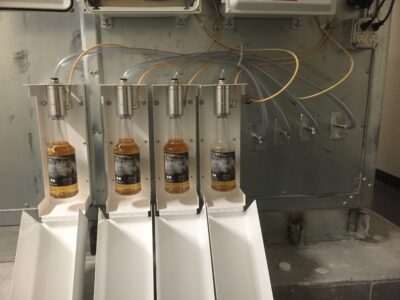
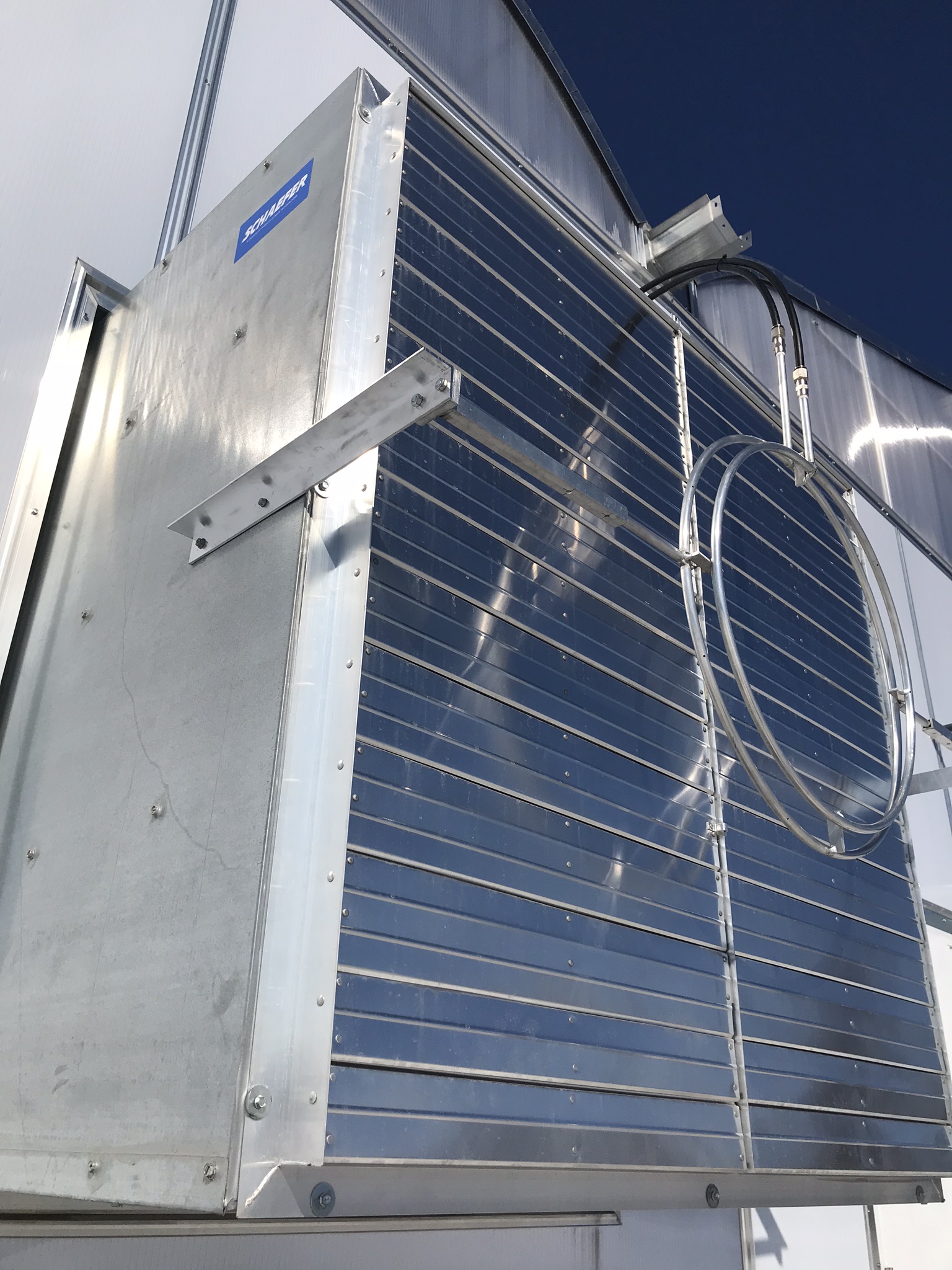
✅ High-capacity misting systems
Capable of large-area coverage in environments with high turbulence and rapid air movement.
✅ Precise chemical delivery
Ensures optimal dosing of odour-neutralizing solutions without waste or under-treatment.
✅ Seamless scrubber integration
Allows XStreme to support and enhance existing chemical scrubbers, improving mass transfer efficiency and reducing chemical load.
These design pillars make XStreme ideal for environments characterized by:
- High humidity
- Corrosive gases
- Temperature fluctuations
- Heavy equipment operation
- Variable chemical loads
Engineering attributes include:
- Ultra-fine atomization
- Pressure-based delivery
- Durable stainless steel components
- UV-resistant and weatherproof tubing
- High-pressure nozzles
- Impact-resistant pump assemblies
- Scalability from small facilities to mega-industrial plants
This industrial-grade build minimizes downtime, reduces maintenance demands, and ensures consistent odour mitigation performance.

3. The Science Behind XStreme: How It Works
A. Advanced Misting Technology
XStreme atomizes odour-neutralizing solutions into ultra-fine droplets measured in microns. These micro-droplets provide:
- Maximum surface-area contact
- Highly efficient VOC collision probability
- Even dispersion across large air volumes
Fine misting enhances reaction kinetics, ensuring faster and more thorough odour neutralization.
B. Precision Chemical Delivery Mechanism
Precise control of:
- Injection rates
- Droplet density
- Flow regulation
- Spray pattern distribution
ensures optimal dosing. Overdosing wastes chemicals; underdosing leaves odours untreated. XStreme eliminates both problems.
C. Chemical Scrubber Integration
In many industrial facilities, the highest concentration of odours originates from process exhaust air.
XStreme supports chemical scrubbers by:
- Reducing odour load
- Enhancing gas-liquid contact
- Improving chemical reaction efficiency
- Reducing total chemical consumption
To understand industrial scrubber systems, consult Britannica’s reference on air pollution control:
https://www.britannica.com/technology/air-pollution-control
D. Built for Durability
From corrosive gases to abrasive environments, XStreme’s materials guarantee long-term functionality:
- Stainless steel frames
- Corrosion-resistant alloys
- Weatherproof enclosures
- UV-resistant tubing
- Impact-resistant pumps
This makes XStreme exceptionally reliable in wastewater plants, chemical facilities, landfills, and other harsh environments.

4. Industrial Applications: Where XStreme Performs Best
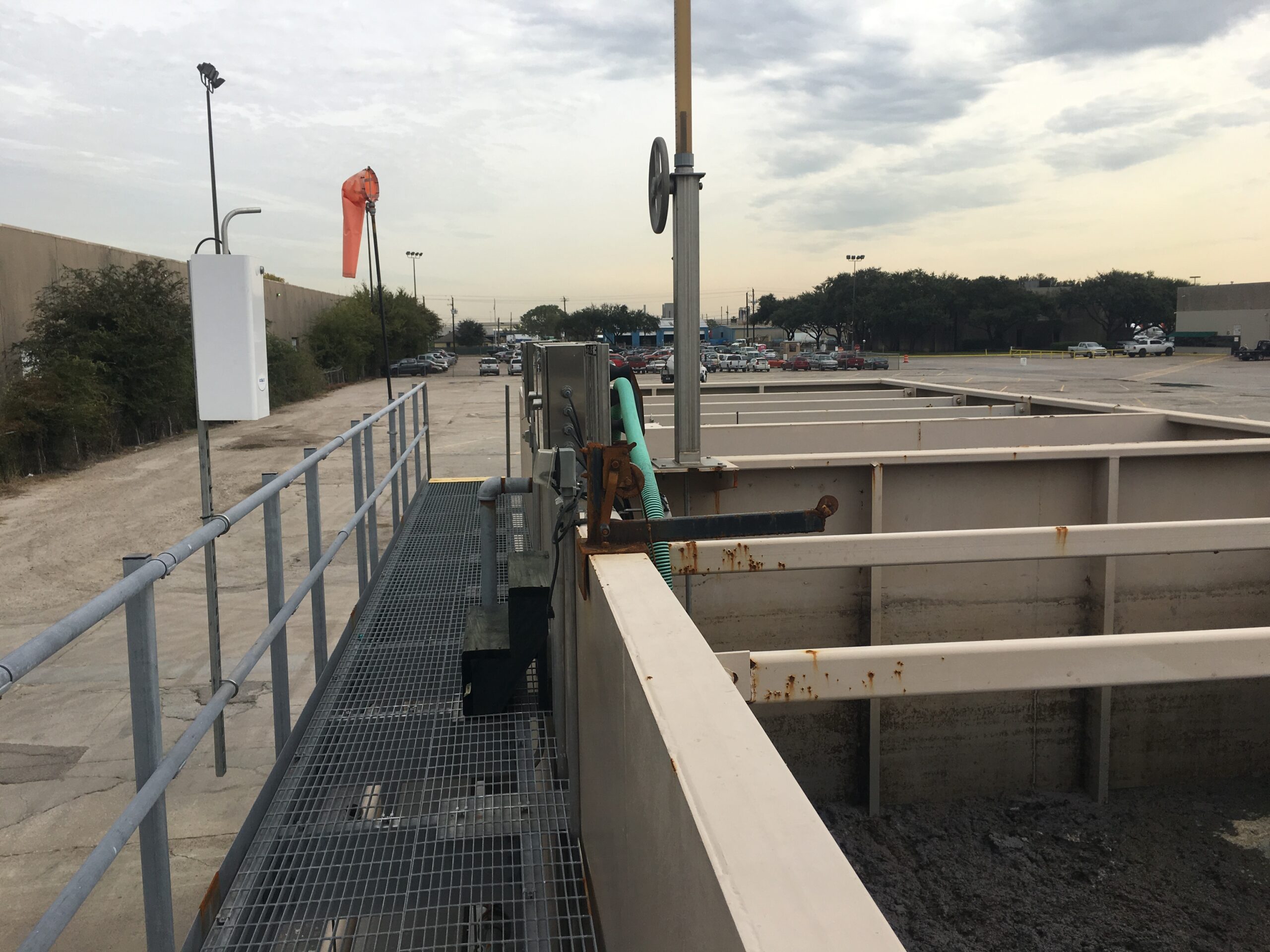
Wastewater Treatment Plants
Targets odours from:
- Hydrogen sulfide
- Ammonia
- Anaerobic decomposition
Used at:
- Headworks
- Primary clarifiers
- Sludge process rooms
- Aeration basins
Landfills & Solid Waste Facilities
Controls odours from:
- Fresh tipping floors
- Active landfill cells
- Leachate ponds
- Transfer station unloading zones
XStreme neutralizes mercaptans, VFAs, and diverse waste-derived VOCs.
Chemical Manufacturing Facilities
Addresses odours caused by:
- Solvent use
- Thermal reactions
- Reactive organic processes
Provides stable emission profiles.
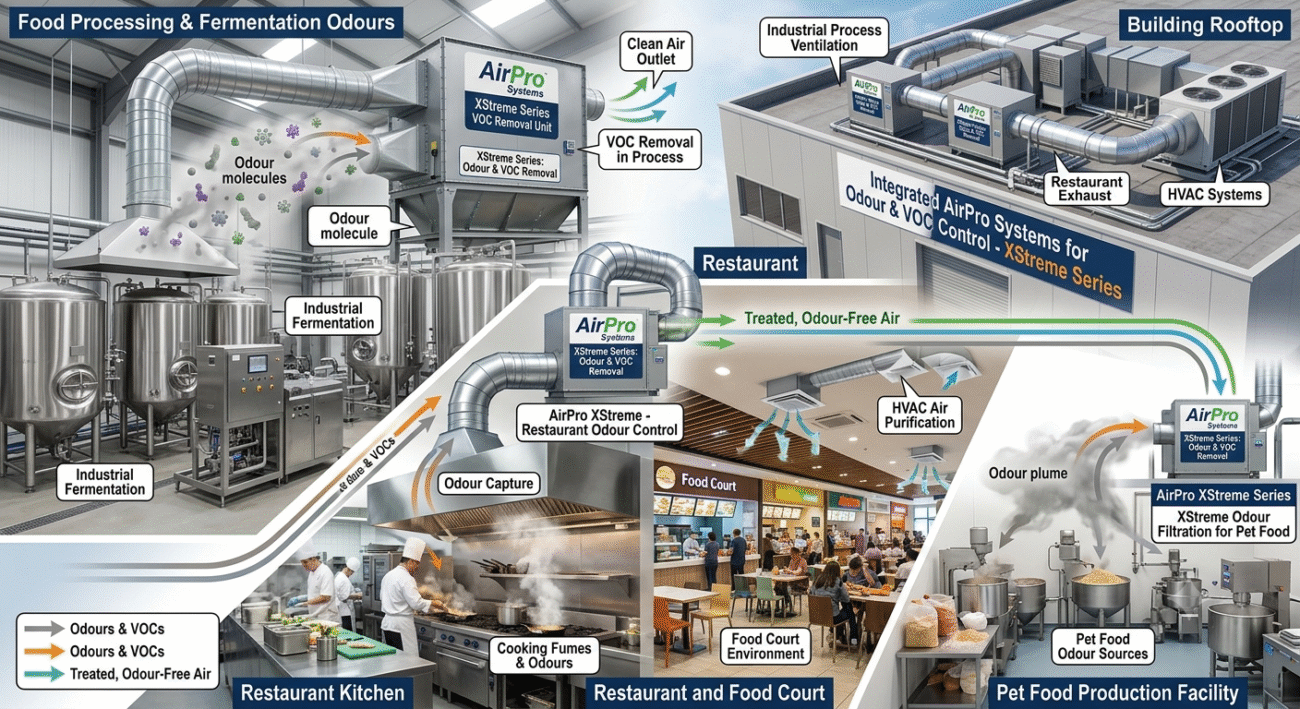
Food Processing Plants
Controls odours from:
- Amines
- Fatty acid vapours
- Protein decomposition
Ensures cleaner working environments and better regulatory compliance.

5. The Science Advantage: Why Fine Misting Outperforms Traditional Odour Control
Precision Mist Physics
High-pressure pumps produce sub-micron droplets that:
- Float longer
- Cover more volume
- Increase VOC-neutralizing interactions
This results in faster and more complete odour neutralization.
Reactive Chemistry
When paired with odour-neutralizing solutions, the misting system initiates chemical reactions:
- Oxidation of sulfur compounds
- Neutralization of amines
- Binding of mercaptans
- Transformation of VOCs into non-volatile compounds
For more on scientific research related to odour chemistry, explore the International Journal of Environmental Science and Technology:
https://link.springer.com/journal/13762
6. Regulatory Compliance, Performance, and Safety
Industrial odour regulations typically require:
- Maximum H₂S levels
- Continuous odour mitigation
- Documentation of odour control activities
- Proper dispersion patterns
XStreme helps facilities:
- Reduce odour peaks
- Stabilize emission profiles
- Improve worker safety
- Lower complaint frequency
- Avoid fines and regulatory penalties
7. Commercial Applications of XStreme
XStreme is equally effective in commercial environments where odour control directly impacts customer experience and operational safety.
Retail & Customer-Facing Facilities
- Garden centres
- Floral shops
- Home improvement stores
- Pet supply centres
Benefits:
- Fresh, clean environment
- Reduced fertilizer and compost odors
- Enhanced brand experience
Commercial Food Production Areas
- Food waste zones
- Sorting rooms
- Organic prep stations
Benefits:
- Eliminates strong organic odurs
- Supports HACCP compliance
- Prevents odour transfer to retail areas
Waste & Recycling Facilities
- Transfer stations
- Organic waste operations
Benefits:
- Fewer neighbourhood complaints
- Better community relations
Hospitality & Wellness Facilities
- Spas
- Gyms
- Resorts
Benefits:
- Premium air quality
- Enhanced guest satisfaction
Commercial Office Buildings & Campuses
- Indoor botanical spaces
- Landscaped corporate campuses
Benefits:
- Improved worker comfort
- Healthier indoor air ecosystem
8. Greenhouse Applications of XStreme
Greenhouses are unique environments with odor challenges caused by humidity, microbial activity, fertilizers, and organic matter decomposition.
Retail Greenhouses & Garden Centres
XStreme:
- Neutralizes compost & soil odours
- Improves customer experience
- Supports professional presentation
Commercial Horticulture Production
- Vegetable & fruit greenhouses
- Flower nurseries
- Propagation houses
Benefits:
- Controls anaerobic odours
- Stabilizes air quality
- Supports consistent crop production
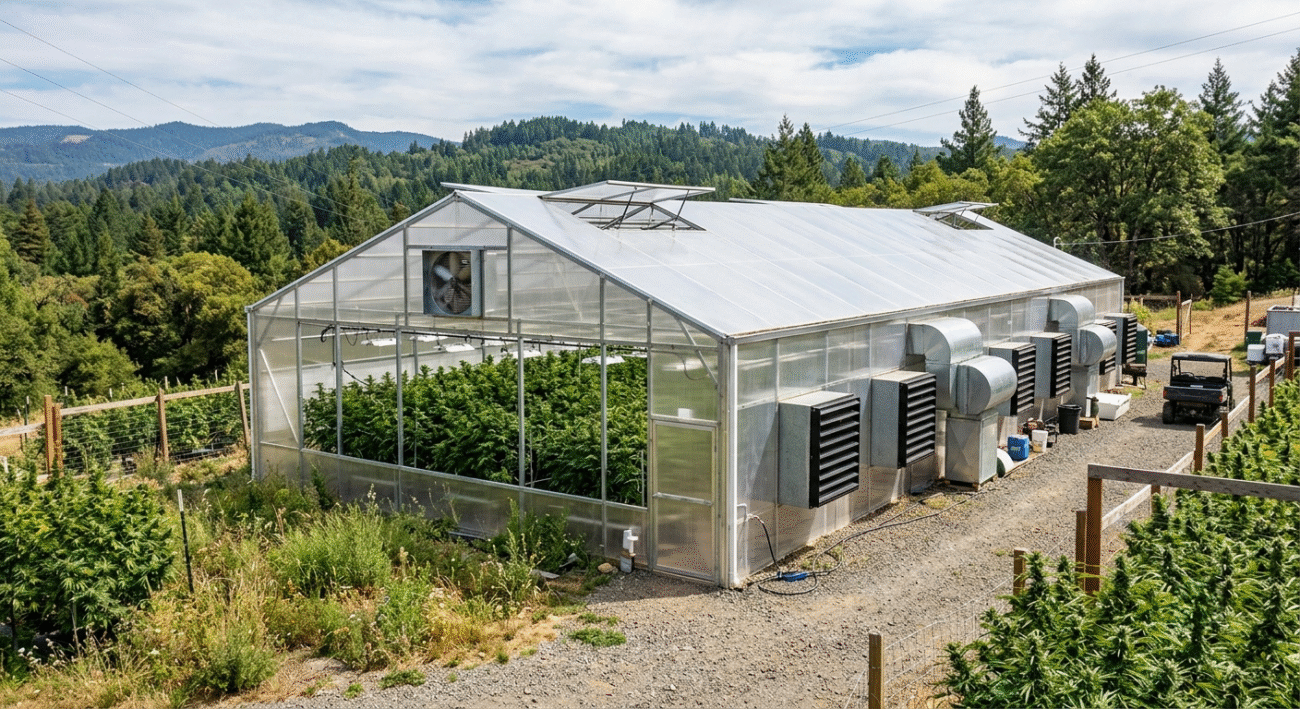
Cannabis Cultivation Facilities
Strong terpene odours and biomass waste can produce intense emissions.
XStreme:
- Neutralizes terpene vapours
- Controls biomass waste odours
- Supports odor compliance regulations
Hydroponics & Aquaponics
- Nutrient tanks
- Algae zones
- Aquaculture systems
Benefits:
- Suppresses microbial odours
- Reduces ammonia gases
- Supports ecosystem health
9. XStreme in Trash Chutes: Smell Control for Multi-Residential Buildings
Trash chutes are notorious odour hotspots in high-rise buildings. Their vertical, enclosed structure traps humidity, organic liquids, bacteria, and decomposing waste. These conditions generate smells that spread through:
- Hallways
- Elevators
- Garbage rooms
- Mechanical systems
According to the Government of Canada, indoor air quality directly impacts occupant comfort and health:
https://www.canada.ca/en/health-canada/services/publications/healthy-living/indoor-air-quality-residential-buildings.html
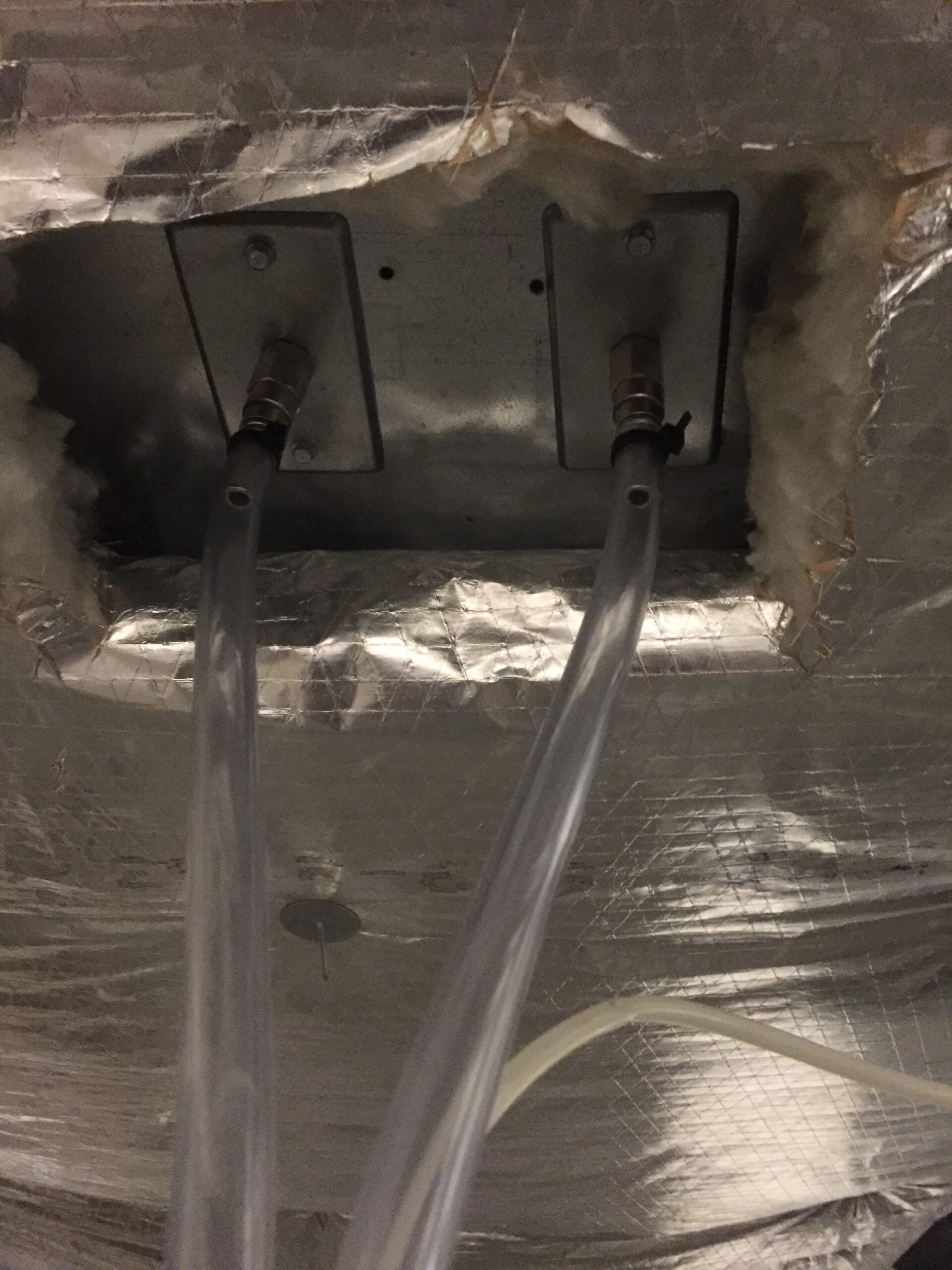
XStreme solves this through:
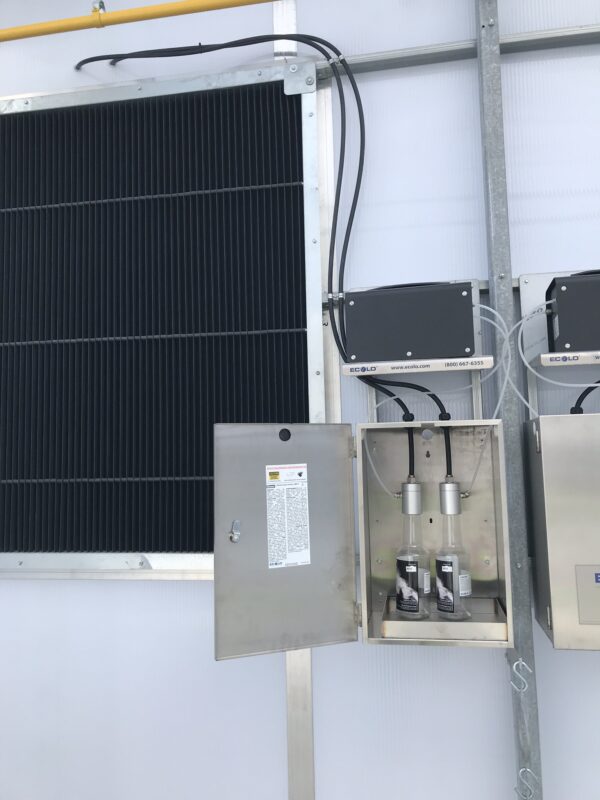
✅ Ultra-fine misting
✅ True neutralization chemistry
✅ Automated dosing
✅ Coverage from chute top to garbage room
XStreme drastically reduces:
- Ammonia
- Hydrogen sulfide
- Organic VOCs
- Sulfur compounds
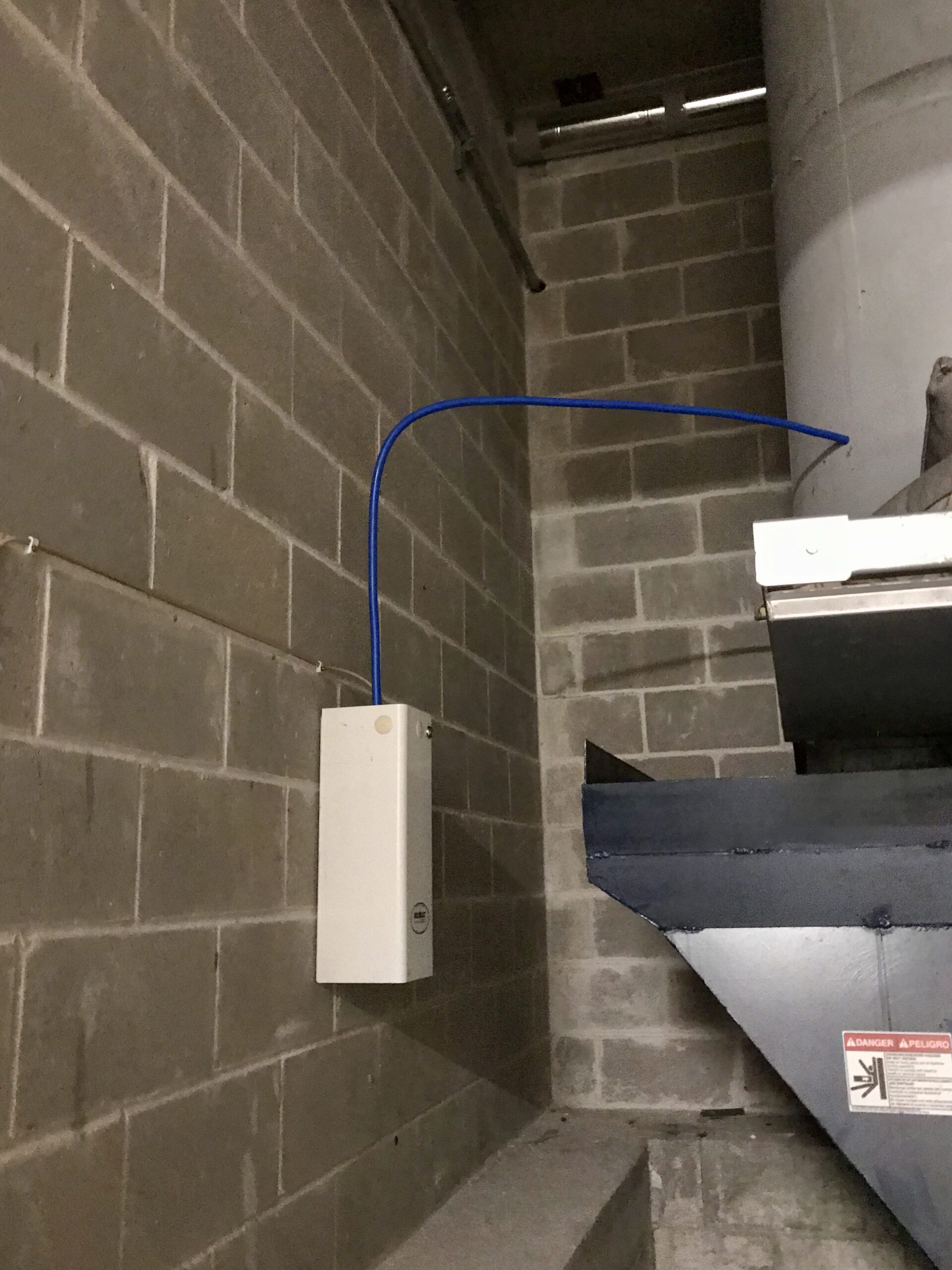
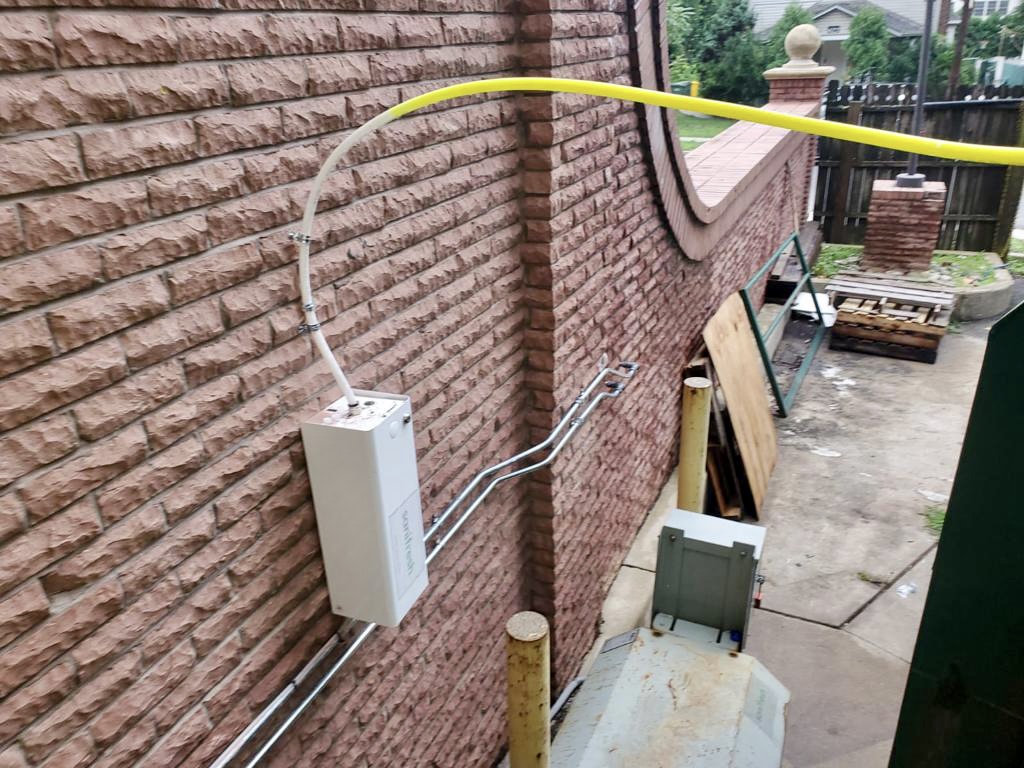
10. Installation Options for Trash Chutes
- Garbage room perimeter misting
- Chute entrance hopper installation
- Floor landing misting stations
- Ventilation integration
This full-coverage solution ensures consistent odour control throughout the entire chute system.
Conclusion: XStreme Delivers a New Standard of Odour Control Across All Environments
From industrial manufacturing to commercial operations, from greenhouse facilities to residential high-rise buildings, odour control is essential for safety, comfort, regulatory compliance, and customer satisfaction.
XStreme delivers:
- Powerful odour elimination
- Precise chemical delivery
- Low maintenance performance
- Industrial durability
- Scalability across applications
- Enhanced safety and compliance
For operations seeking long-term, reliable odour management, XStreme represents the future of odour control technology—cleaner air, safer environments, and measurable performance where it matters most.