
BioStreme: Harnessing Microbiology to Prevent Odour at the Source

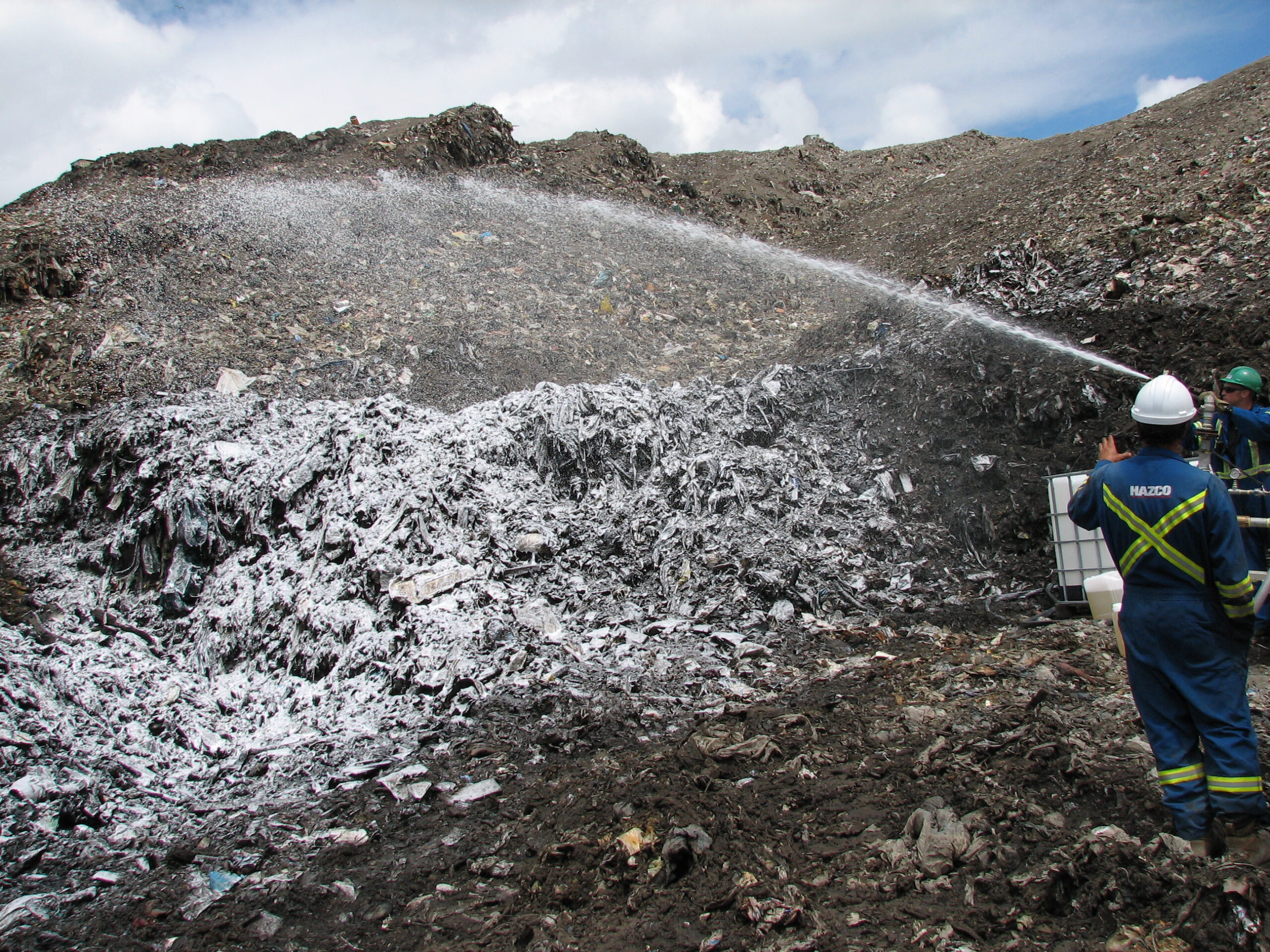
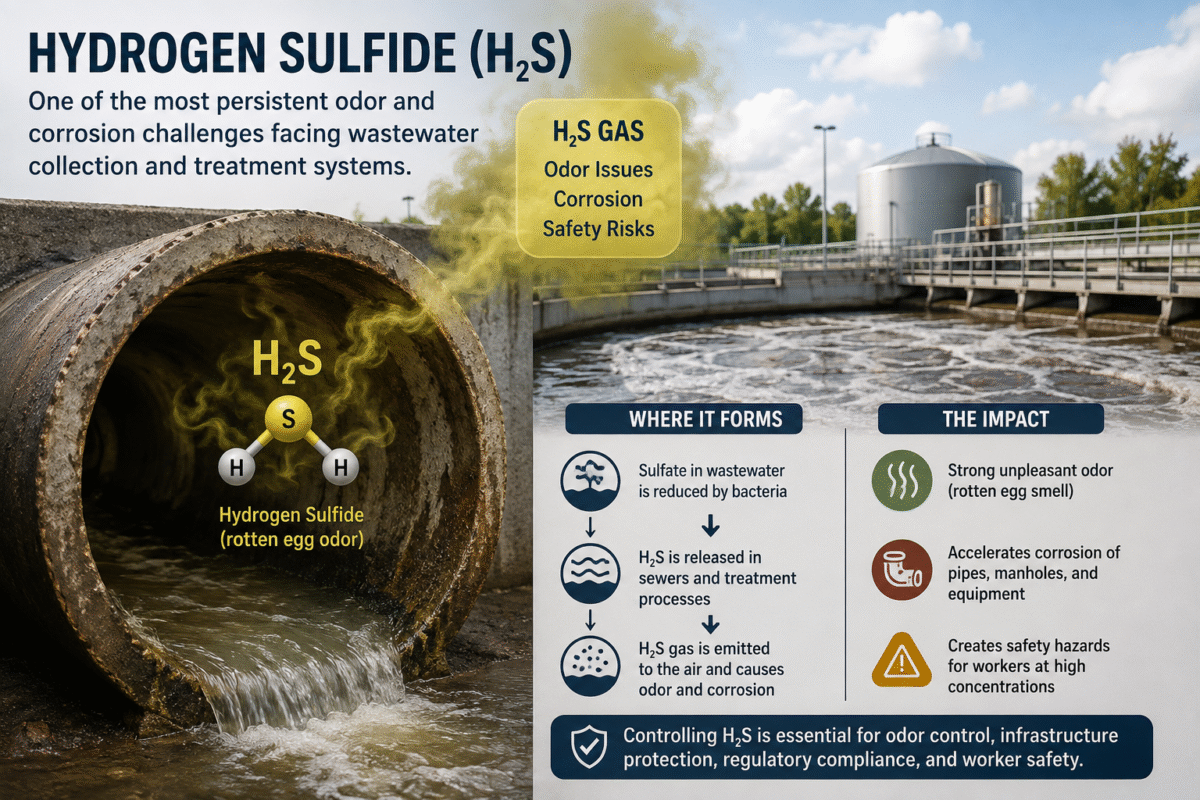
In the world of modern wastewater management, one persistent challenge continues to impact treatment facilities, industrial sites, municipalities, and environmental wellbeing: odour generation. While odours are often treated as a nuisance, they are fundamentally the byproduct of biochemical processes that reveal deeper issues in the system—anaerobic conditions, volatile organic compounds, sulfur releases, and microbial imbalances.
Addressing odour effectively requires understanding and influencing microbial activity at a biological level. That is where BioStreme, an advanced biological odour control solution, stands apart. Instead of masking, neutralizing, or reacting with odour compounds after they form, BioStreme prevents odours at the source by altering the biochemical conditions that lead to odour formation.
This blog explores the microbiology, chemistry, and engineering behind BioStreme, highlighting why its microbial treatment approach has become increasingly essential in today’s wastewater management landscape.

1. Odour Problems in Wastewater: A Biological and Chemical Process
Odour generation in wastewater and organic waste streams stems from a complex interplay of:
- Microbial processes
- Organic degradation
- Oxygen availability
- Sulfide generation
- VOC emissions
- pH imbalance
When wastewater becomes anaerobic (oxygen-starved), harmful microorganisms flourish and begin converting organic matter into compounds such as:
- Hydrogen sulfide (H₂S)
- Volatile fatty acids (VFAs)
- Mercaptans
- Amines
- Ammonia
These compounds are responsible for strong, unpleasant odours and operational challenges. Left untreated, they lead to:
- Corrosion of infrastructure
- Increased chemicals cost
- Labour-intensive crisis management
- Community complaints
- Failed compliance tests
For a technical overview of how anaerobic conditions generate odours, see the Water Environment Federation’s resources on odour control:
https://www.wef.org/resources/for-the-public/…/odor-control/
As wastewater facilities scale, traditional reactive solutions become insufficient. A preventive approach—based on microbiology rather than chemistry alone—becomes vital.

2. What Is BioStreme? A Biological Odour Control Breakthrough
BioStreme is a specialized biochemical formulation designed to stimulate the “right” kind of microbial activity in wastewater, sludge, leachate, and organic waste streams. It supports naturally occurring beneficial microorganisms and initiates biological processes that prevent odour generation.
Key characteristics include:
- Proprietary nutrient blends
- Bio-catalytic agents
- Enzymatic precursors
- Microbial enhancers
- Safe, biodegradable ingredients
Rather than introducing foreign microorganisms (as in bioaugmentation), BioStreme optimizes existing microbial populations by providing targeted nutrients and biochemical cues.
3. The Science Behind BioStreme: Microbial Treatment from the Inside Out
A. Biochemical Stimulation
Beneficial microorganisms require nutrients, trace elements, and balanced conditions to thrive. BioStreme provides:
- Carbon sources
- Nitrogen compounds
- Phosphorus
- Vitamins
- Co-factors
These components support aerobic and facultative microorganisms that break down organic material without generating harmful odours.
B. Shifting Microbial Dominance
In untreated wastewater:
- Anaerobic bacteria flourish
- Sulfate-reducing bacteria generate sulfides
- Odour compounds accumulate
BioStreme shifts the biological environment toward aerobic and facultative pathways. This shift:
- Reduces hydrogen sulfide formation
- Lowers VFA production
- Suppresses sulfur-reducing microorganisms
This concept aligns with biological nutrient removal principles used in advanced wastewater treatment, as seen in resources from the Environmental Protection Agency:
https://www.epa.gov/npdes/advanced-wastewater-treatment
C. Oxidation Without Chemicals
BioStreme creates conditions that naturally promote oxidative conversion of malodorous compounds, without the need for harsh chemicals such as:
- Sodium hypochlorite
- Hydrogen peroxide
- Nitrate salts
This biological oxidation:
- Is gradual
- Produces stable byproducts
- Does not generate secondary emissions
D. Enhanced Organic Breakdown
BioStreme accelerates biological decomposition of complex organic matter including:
- Fats
- Proteins
- Carbohydrates
- Sludge solids
Instead of accumulating and fermenting (which leads to odours), these compounds are broken down efficiently under controlled conditions.
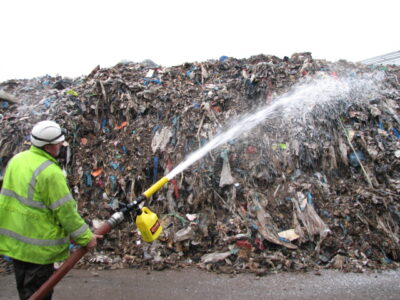
4. Preventing Odour at the Source: Why the Preventive Approach Matters
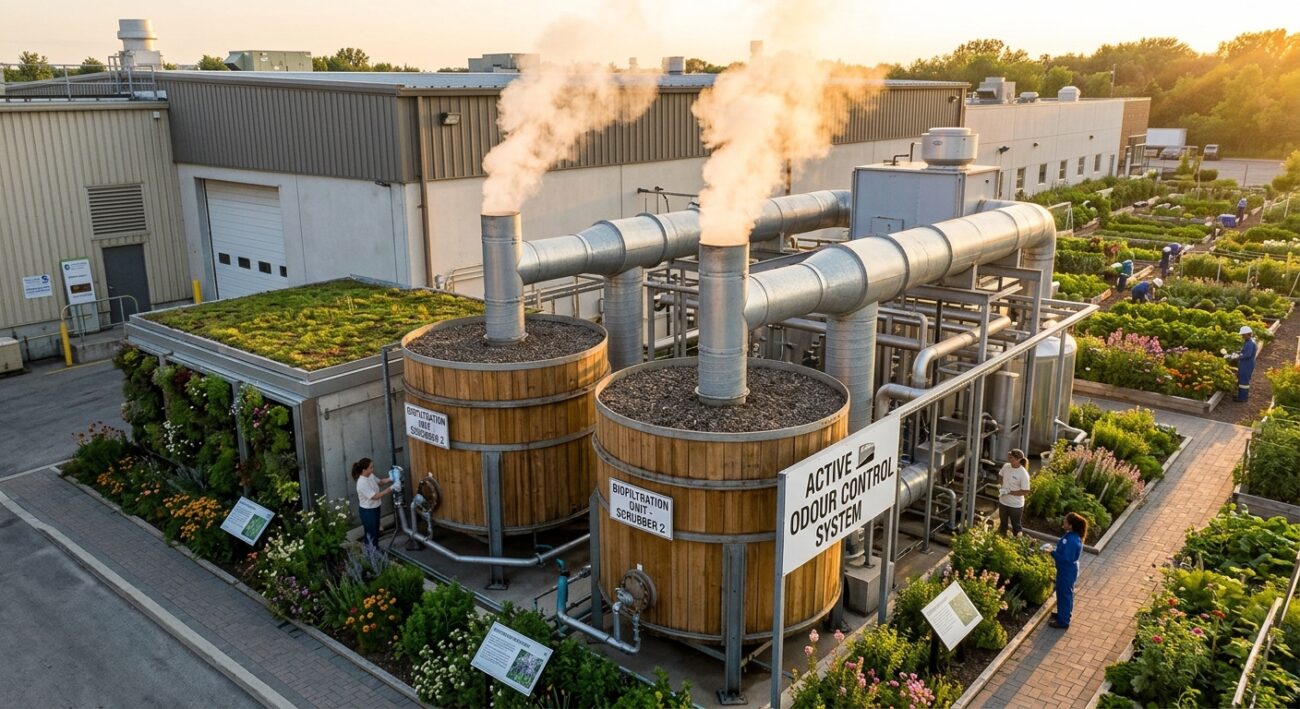
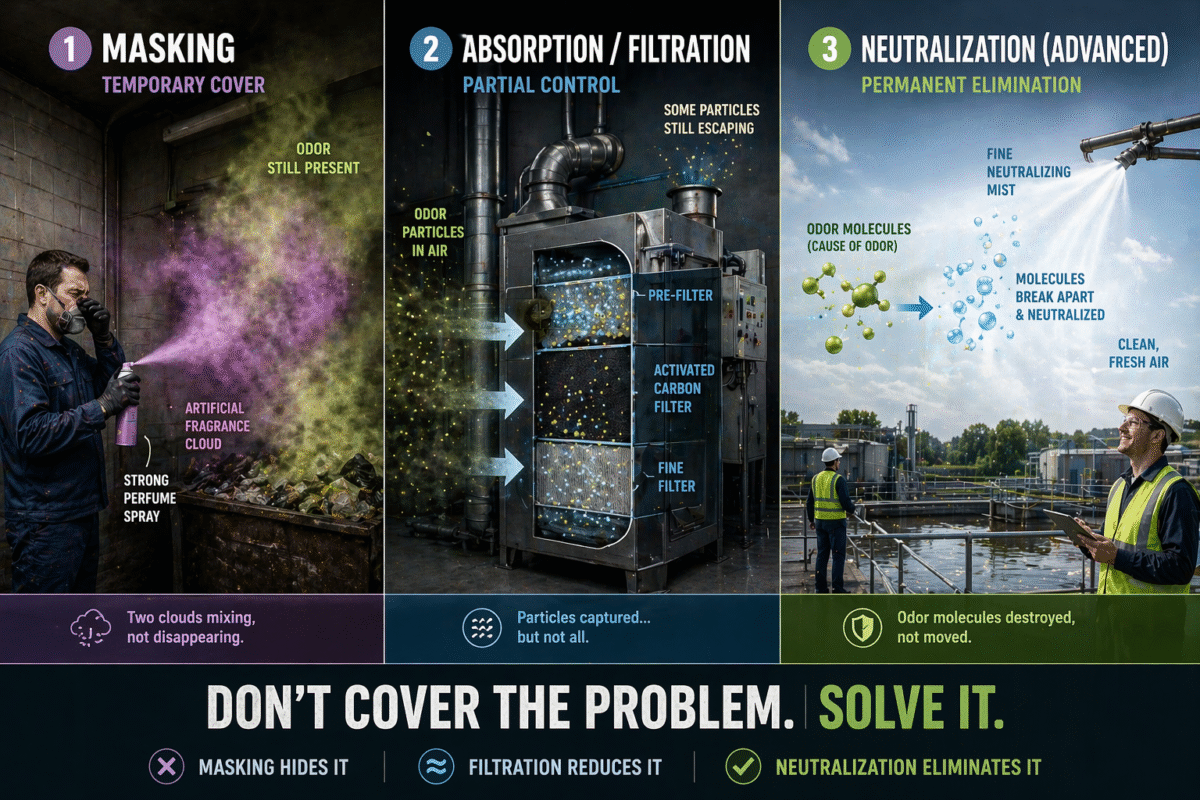
Reactive odour control methods (chemical neutralizers, masking agents, scrubbers) address odour after it forms. This can be costly, energy-intensive, and inconsistent.
BioStreme’s preventive approach offers advantages:
- Stops odour formation instead of chasing symptoms
- Reduces corrosion risks
- Eliminates reliance on high-dose chemicals
- Stabilizes system biology
- Reduces maintenance operations
- Improves sludge quality
A preventive strategy is essential for long-term sustainability and system stability.
5. Case Study: Biological Odour Control in Wastewater Facilities
Municipal Wastewater Treatment Plant
A mid-sized facility struggled with odours from primary clarifiers and sludge holding tanks. Operators implemented BioStreme:
- Odour complaints dropped within 2–3 weeks
- Hydrogen sulfide emissions reduced by >60%
- Sludge handling became more efficient
- Dosing of chemical oxidizers reduced significantly
Food Processing Wastewater
A protein-processing facility faced strong amine and fatty acid odours. After applying BioStreme:
- Organic loading stabilized
- Odour compounds were suppressed
- Oxygen transfer efficiency improved
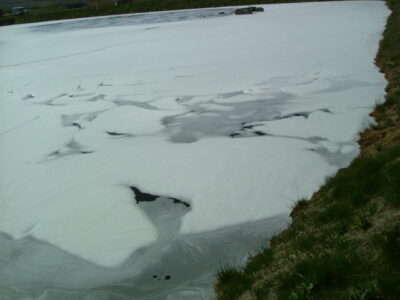
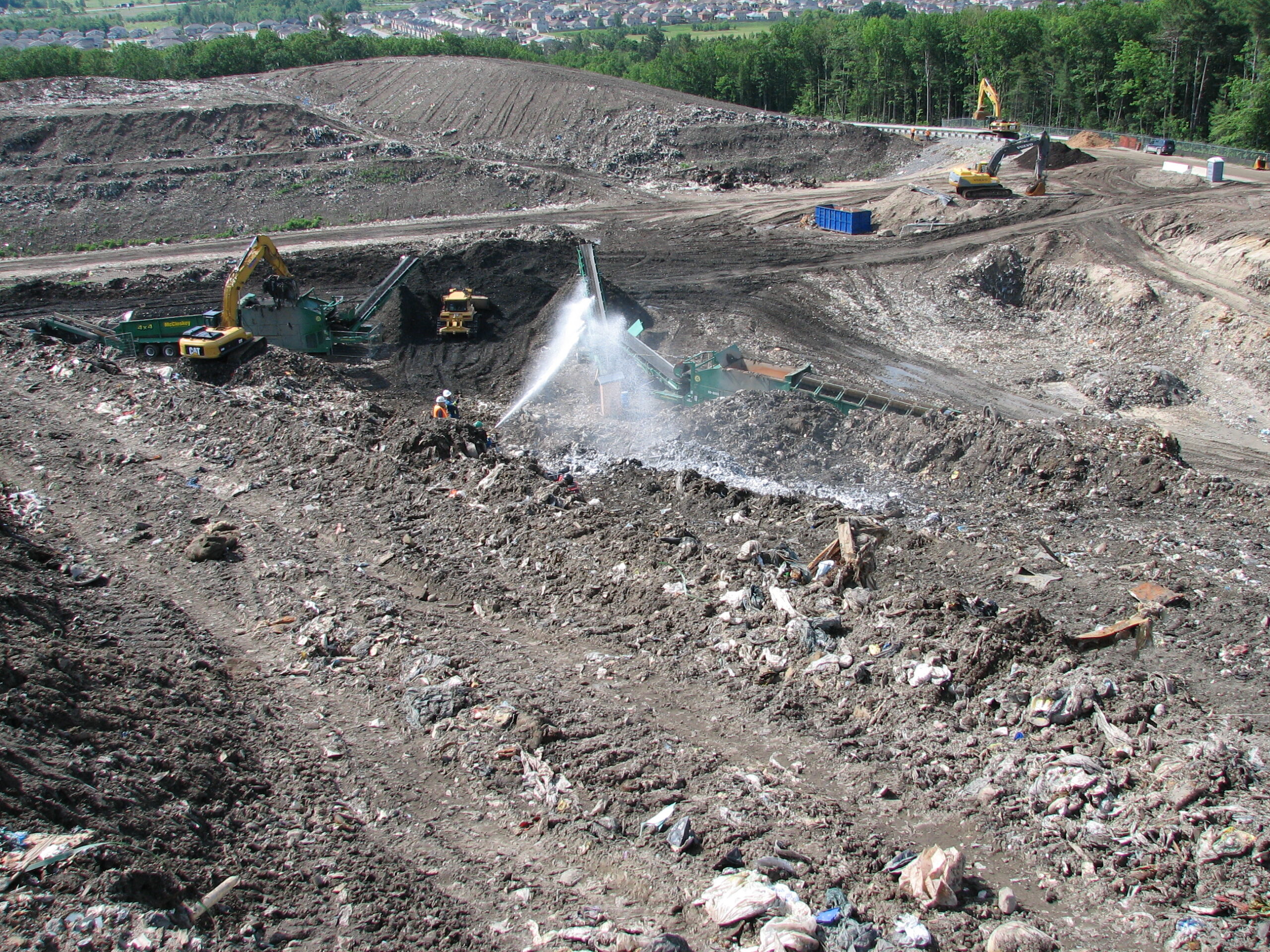
Landfill Leachate Lagoons
Leachate ponds exhibited foul odours due to anaerobic breakdown:
- BioStreme encouraged aerobic microbial dominance
- Sulfur compounds decreased
- Leachate stability improved
These results highlight the power of microbiology-driven solutions.
6. How BioStreme Supports Wastewater Infrastructure
Operational Benefits
- Lower chemical expenditure
- Reduced corrosion on pipes and lift stations
- Less need for emergency odour response
- Stabilized microbial ecosystem
- Reduced energy consumption
Environmental Benefits
- Safe for aquatic life
- No secondary pollutants
- Improves biodegradability of effluent
- Reduces greenhouse gas emissions associated with anaerobic breakdown
- Supports circular wastewater management
For insights into sustainable wastewater practices, see the United Nations Environment Programme’s recommendations:
https://www.unep.org/resources/
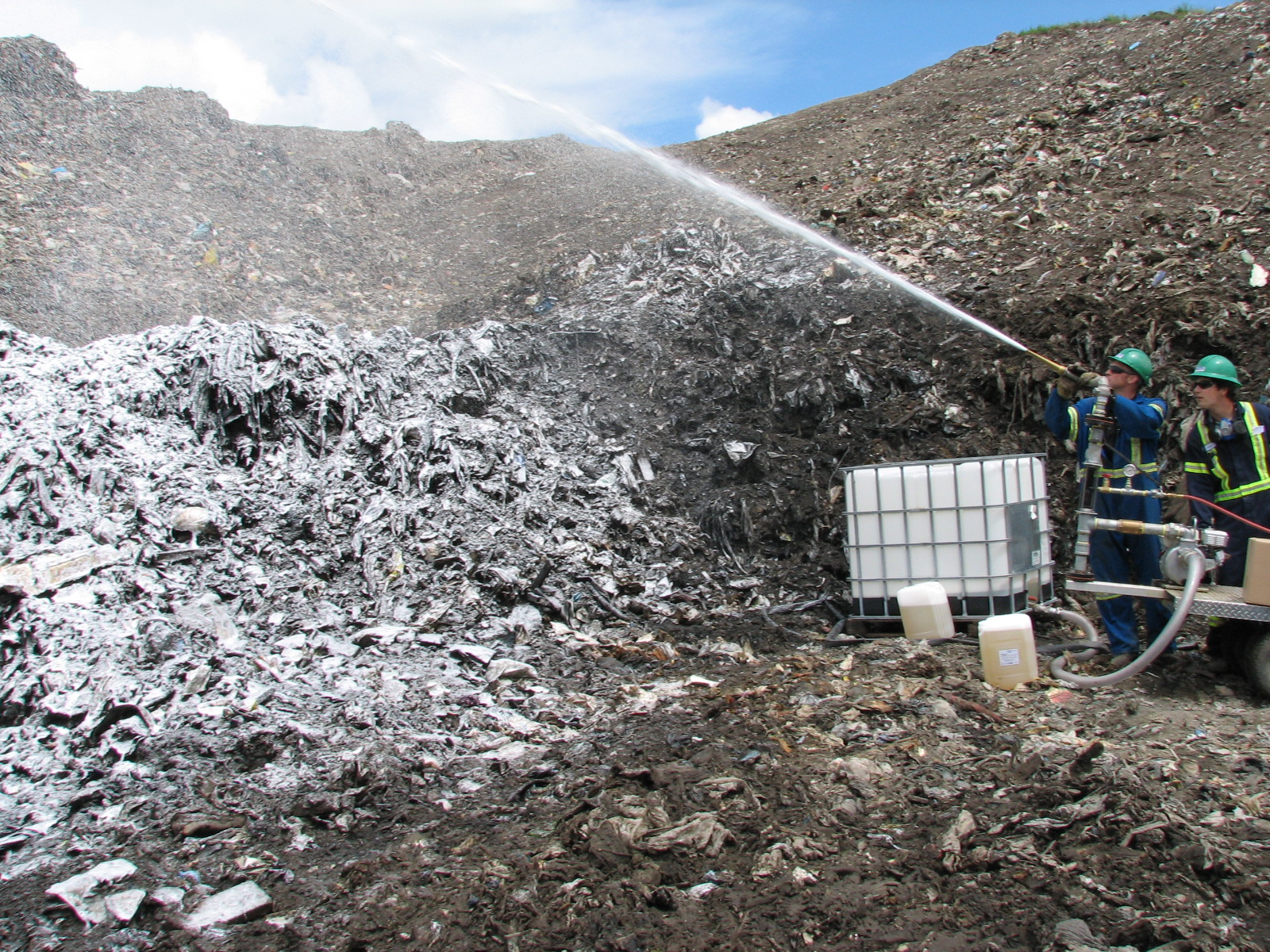
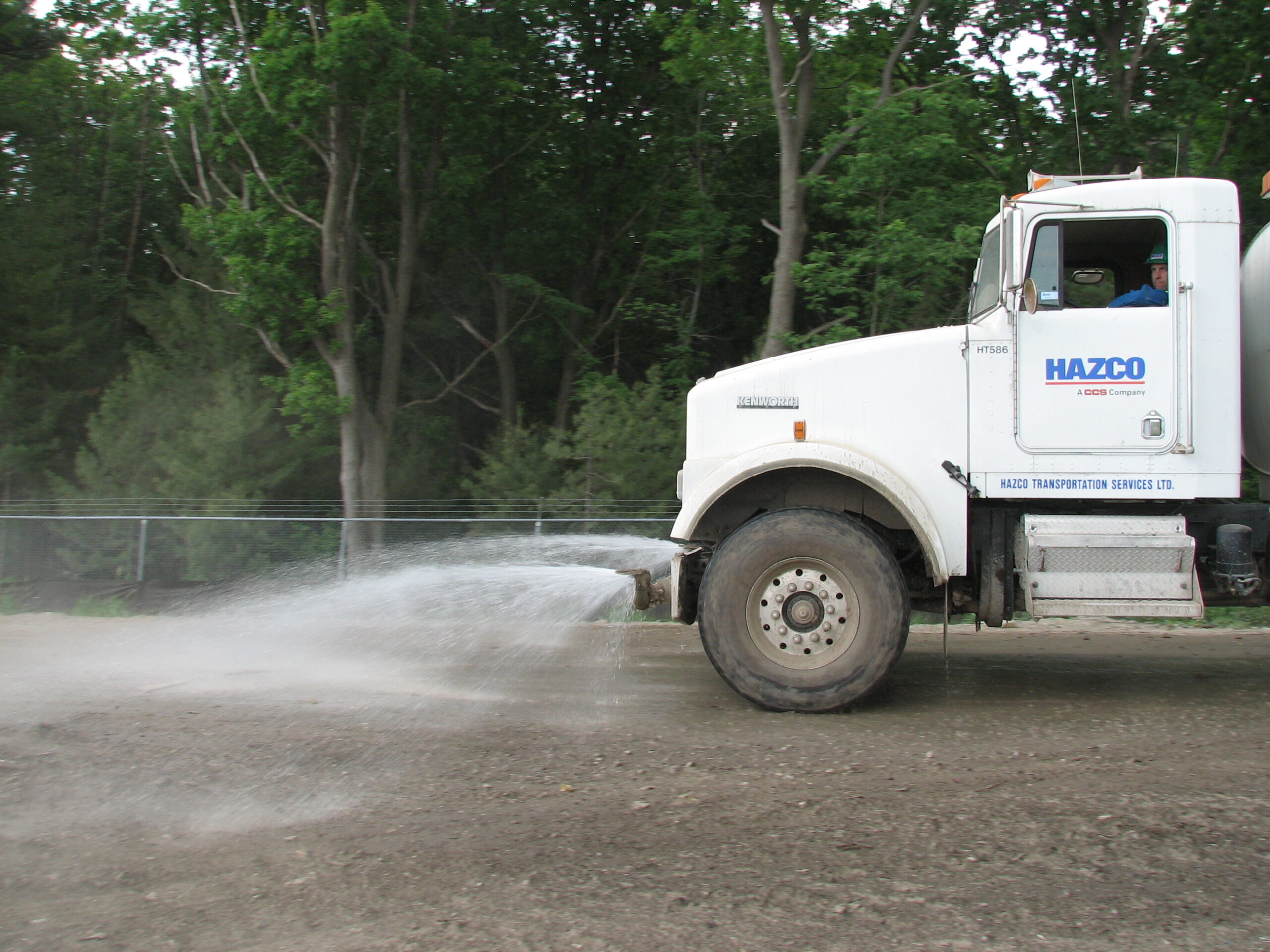
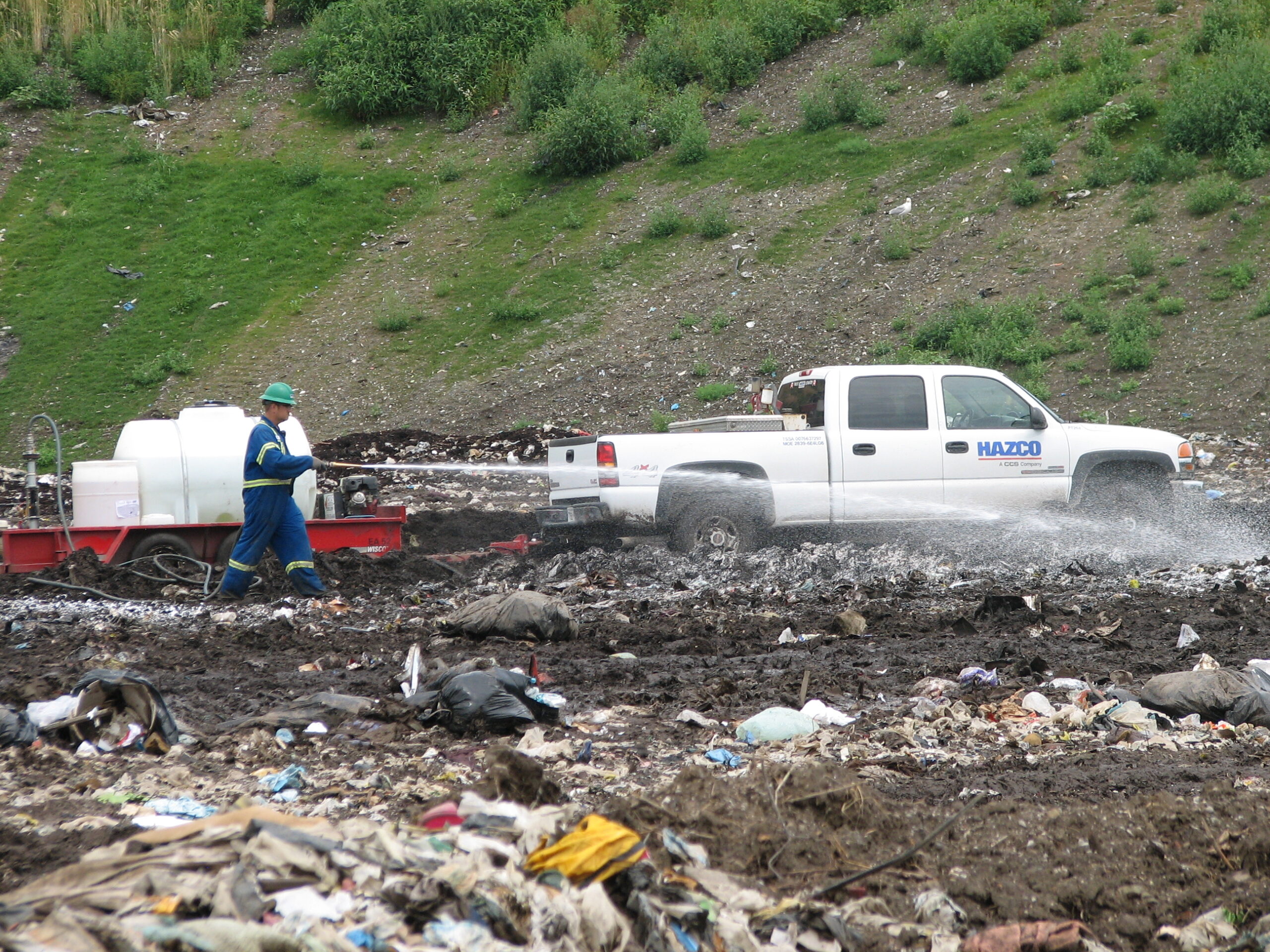
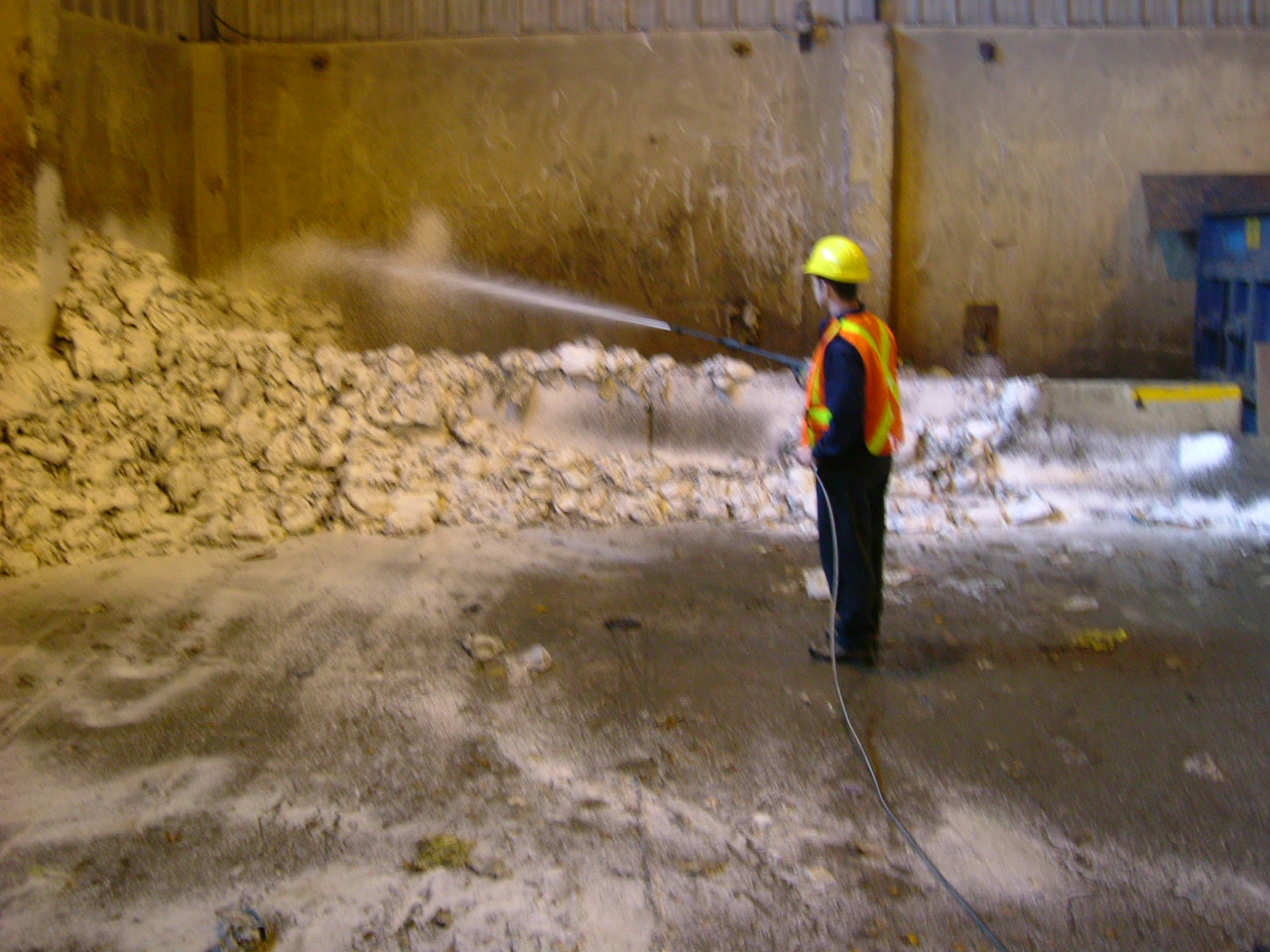
7. How BioStreme is Applied: Flexible, Scalable Methods
BioStreme can be integrated into multiple systems depending on facility scale and configuration.
Common application points include:
- Inlet channels
- Primary clarifiers
- Sludge holding tanks
- Food waste systems
- Leachate lagoons
- Pump stations
- Grease traps
Dosing methods
- Automated pump systems
- Manual addition
- Daily or weekly dosing schedules
BioStreme is compatible with existing odour control infrastructure and does not require new mechanical equipment.
8. Biological Odour Control vs Chemical Odour Neutralization
Feature | Chemical Products | BioStreme |
Mechanism | Reacts with odours | Prevents odours at source |
Safety | Potentially hazardous | Biodegradable, safe |
Longevity | Short-term | Long-term biological stability |
Cost | Repeated dosing | Reduced total chemical load |
Impact | Treats symptoms | Addresses root causes |
Odour Types | Limited | Broad-spectrum |
9. Innovation & Future Focus: The Next Generation of Microbial Treatment
Wastewater management is undergoing a transformation driven by:
- Sustainability goals
- Rising regulatory pressure
- Climate-related challenges
- Community expectations
Biological odour control solutions like BioStreme are emerging as preferred tools because they align with environmental stewardship. The future of wastewater lies in:
- Microbial engineering
- Data-driven treatment optimization
- Biochemical nutrient profiling
- Low-carbon operational models
- Integration with smart monitoring systems
BioStreme’s approach fits directly into this trend—using biology to build resilient treatment systems.
10. Why BioStreme Works Across Multiple Industries
BioStreme is versatile due to its foundational reliance on microbial processes. It is effective in:
Municipal Wastewater Systems
- Clarifiers
- Digesters
- Lift stations
- Sludge dewatering
- Anaerobic basins
Industrial Wastewater
- Food and beverage plants
- Pulp and paper mills
- Chemical plants
- Rendering facilities
Agricultural and Livestock Operations
- Manure pits
- Composting operations
- Silage effluent
Solid Waste Facilities
- Landfills
- Transfer stations
- Leachate ponds
Wherever microbial activity influences odour, BioStreme can be deployed.
11. The Microbiology Advantage: Understanding the Mechanism
BioStreme’s effectiveness is rooted in microbiology:
- Aerobic microorganisms metabolize organic waste into CO₂ and water
- Facultative microorganisms adapt to fluctuating oxygen levels
- The system becomes more stable and predictable
- Foul-smelling anaerobic pathways are suppressed
This process mirrors nature’s own biological waste decomposition—controlled, optimized, and accelerated.
To explore the fundamentals of microbial metabolism, see the Microbiology Society:
https://microbiologysociety.org/
12. A Preventive, Innovative Approach to Odour Management
BioStreme represents a paradigm shift:
- From reaction to prevention
- From chemicals to biology
- From symptom management to root-cause elimination
By supporting a healthy microbial ecosystem, BioStreme enables facilities to achieve:
- Operational efficiency
- Environmental compliance
- Odour-free environments
- Sustainable wastewater management
Conclusion: BioStreme is the Future of Biological Odour Control
The challenges of wastewater odour management demand innovative, sustainable solutions. BioStreme harnesses microbiology to prevent odour formation at the source, offering a reliable, natural, and cost-effective alternative to traditional practices. Its microbial treatment approach supports system stability, enhances biological activity, reduces chemical dependence, and aligns with global sustainability trends.
As wastewater facilities increasingly embrace prevention over reaction, BioStreme stands as a powerful tool in the future of biological odour control.