Understanding the Cost of Setting Up Odour Control Systems Across Industries

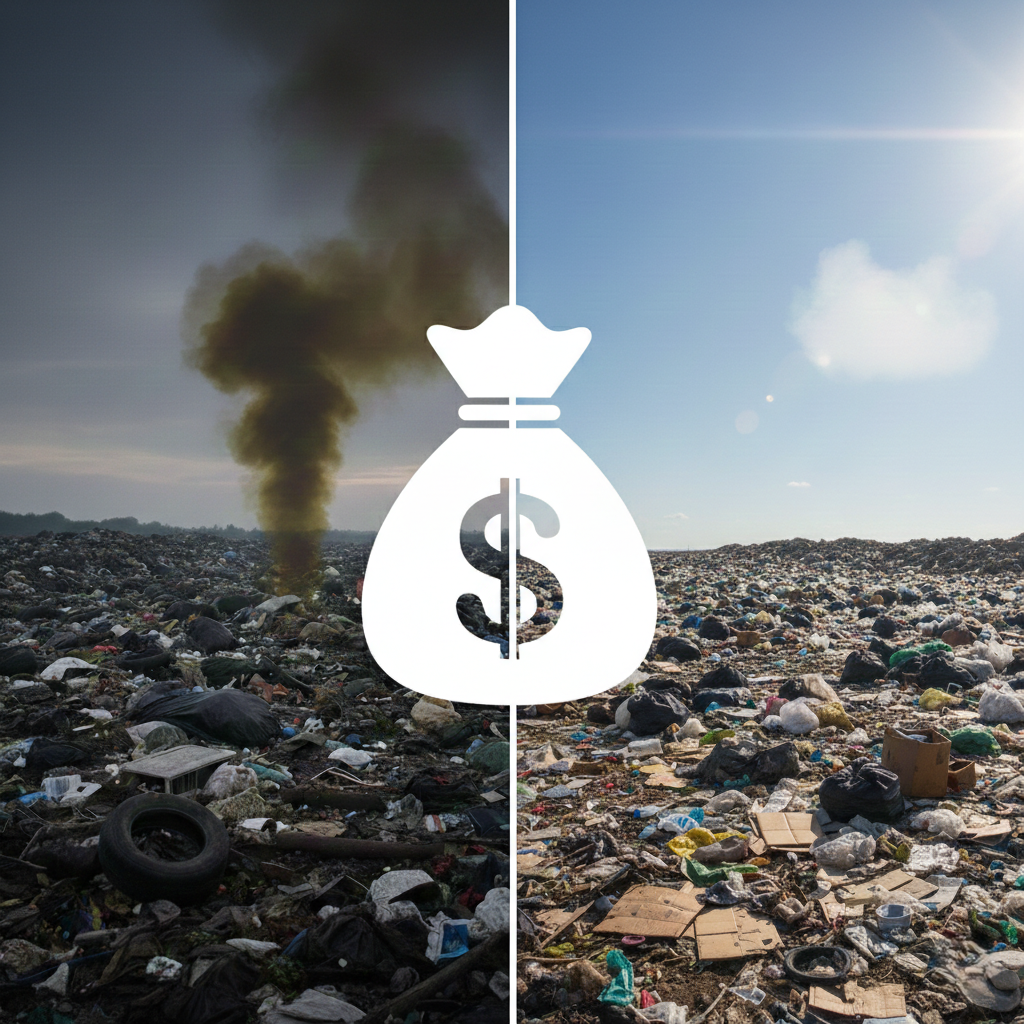
Introduction: Why Odour Control Cost Matters
Odour control is no longer an optional add-on for modern industrial and commercial facilities—it is a critical investment tied to regulatory compliance, community relations, worker safety, and infrastructure longevity. Whether it’s wastewater treatment, landfill operations, food processing plants, or commercial buildings, each sector faces unique challenges that influence the odour control cost, installation expenses, operating budgets, and ultimately, return on investment (ROI).
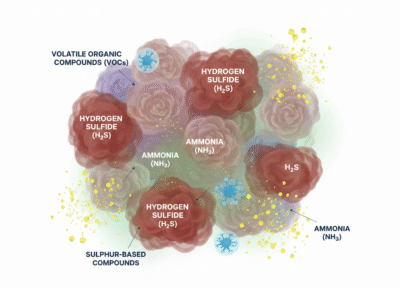
Studies from the U.S. Environmental Protection Agency (EPA) and European Environment Agency (EEA) show that odorous emissions—especially hydrogen sulfide (H₂S), volatile organic compounds (VOCs), ammonia (NH₃), and sulphur-based compounds—can have measurable environmental and public health impacts:
This article breaks down the economics behind odour control systems, explores cost variations across industries, and provides an ROI-focused framework for decision-makers seeking clarity before making substantial investments.
Key Cost Components of Odour Control Systems
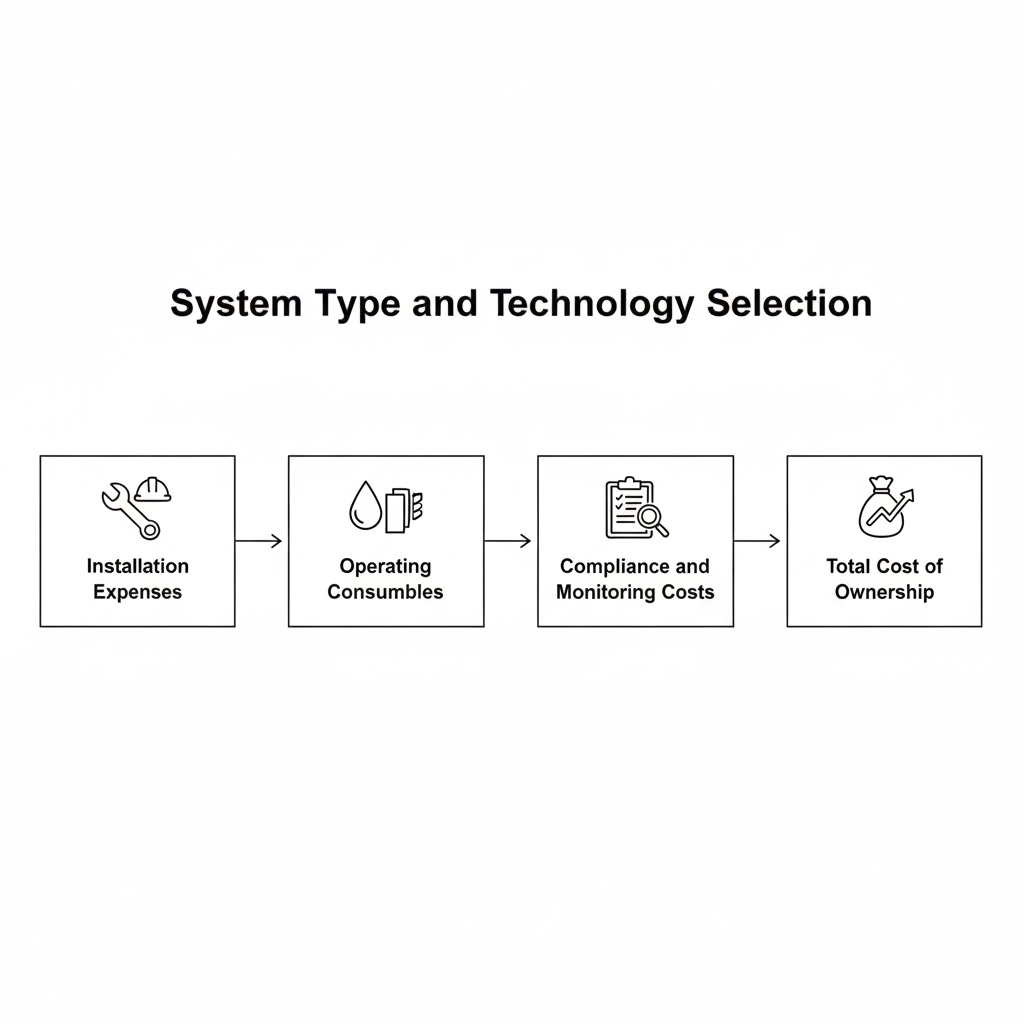
Understanding the total odour control cost means analyzing several interconnected variables:
1. System Type and Technology Selection
Different technologies carry vastly different price points and operational implications. Common options include:
- Wet scrubbers
- Activated carbon filters
- Biofilters
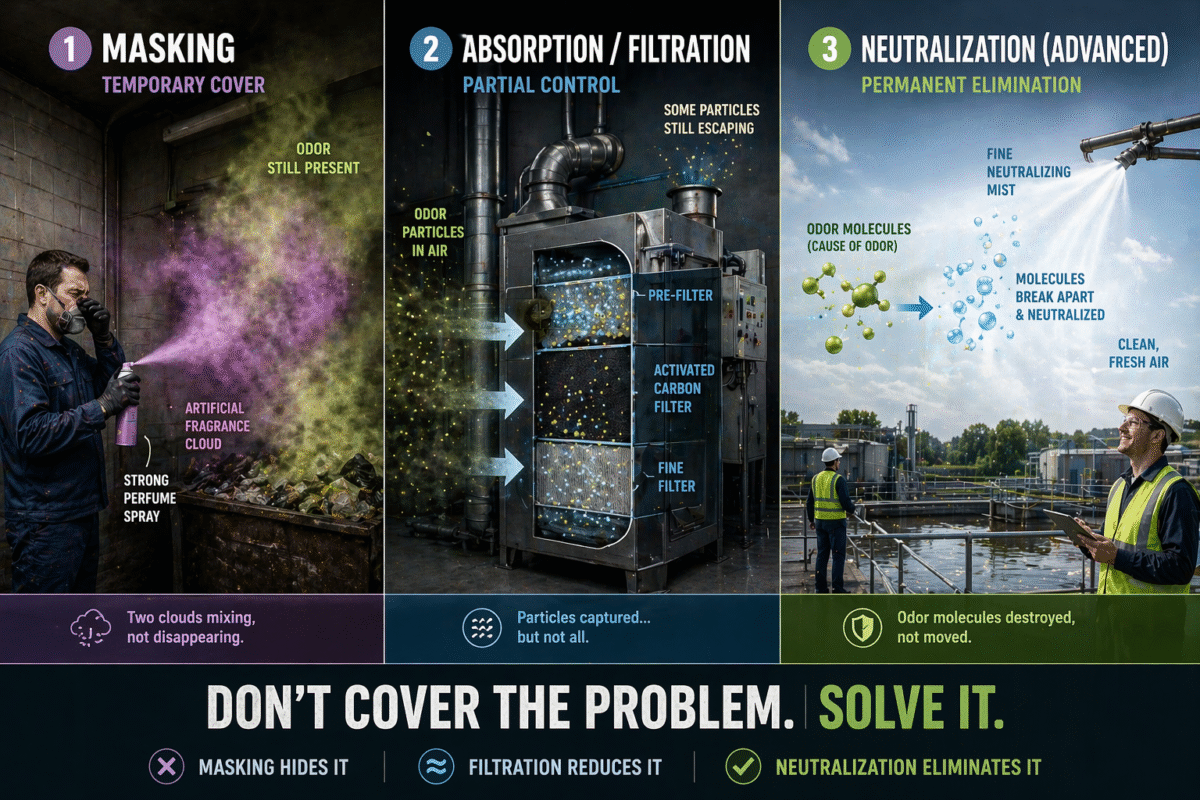
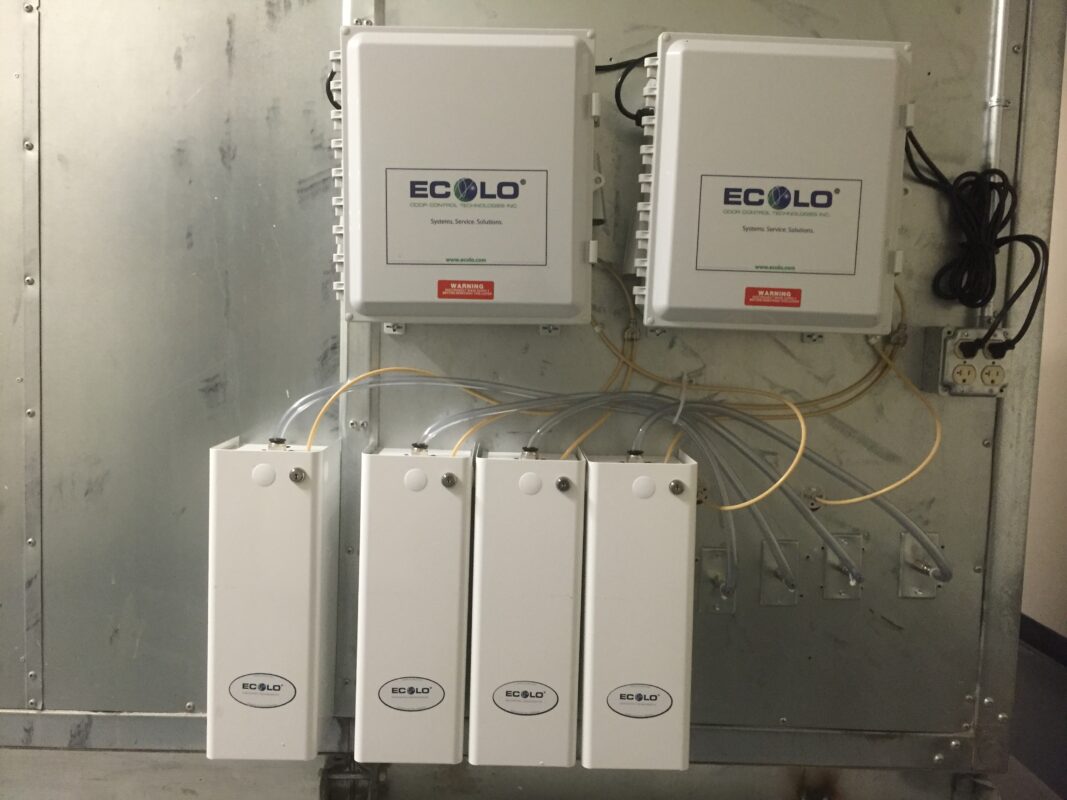
- High-pressure misting systems
- Vapour-phase neutralizing agents
- Chemical oxidation units
Each has unique capital expenditures (CAPEX) and operational expenditures (OPEX), directly influencing total lifecycle cost.
2. Installation Expenses
System installation typically includes:
- Engineering and design
- Electrical and mechanical integration
- Piping and ducting modifications
- Pumping and dosing infrastructure
- Control system programming
- Startup commissioning
Depending on system complexity, installation can range from a few thousand dollars to several hundred thousand dollars for large-scale treatment plants or landfill operations.
3. Operating Consumables
These may include:
- Neutralizing liquids
- Activated carbon media
- Biological additives
- Chemical oxidizers
- Power and water consumption
- Maintenance labor
Many facilities underestimate ongoing OPEX, yet this is where long-term ROI is determined.
4. Compliance and Monitoring Costs
Industries subject to strict regulations must account for:
- Continuous H₂S monitoring
- Compliance reporting
- Stack testing
- Environmental audits
Authorities such as OSHA, NIOSH, and local environmental protection agencies provide extensive guidance on monitoring requirements:
Industry-Specific Cost Analysis
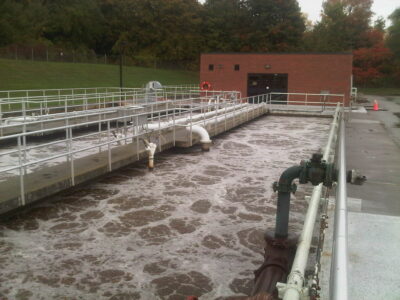
1. Wastewater Treatment Plants: Balancing Odour and Infrastructure Protection
Wastewater facilities experience some of the highest odour control costs due to:
- Elevated H₂S levels
- Extensive piping networks
- Corrosive environments
- Large airflow volumes
Typical costs range:
- Small plants: $20,000–$50,000
- Medium plants: $50,000–$250,000
- Large plants: $250,000–$500,00+
Key cost drivers:
- Number of lift stations
- Force main length
- Biofilm and sulphide generation
- Odor source intensity
Long-term ROI:
Investing in odor control yields measurable returns:
- Prevention of concrete corrosion
- Extended infrastructure lifespan
- Reduced maintenance and chemical usage
- Community compliance and fewer complaints
According to the Water Environment Federation (WEF), H₂S-induced corrosion is one of the leading causes of premature sewer infrastructure failure:
2. Landfills and Solid Waste Facilities: Large-Scale Odour Management
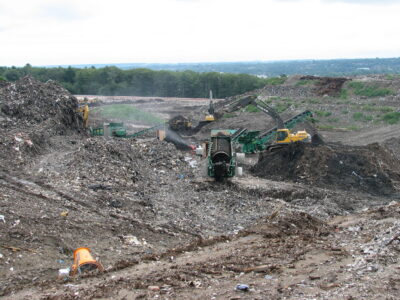
Landfills face atmospheric odour challenges requiring perimeter-based solutions.
Typical costs:
- Perimeter misting systems: $100,000–$250,000
- Vapor-phase systems: $150,000–$350,000
- Portable systems: $10,000–$50,000
Cost drivers include:
- Landfill size
- Wind patterns
- Local climate
- Topography
- Waste tipping volume
ROI comes from:
- Reduced community complaints
- Avoided regulatory penalties
- Enhanced site reputation
- Stabilized operations during peak tipping periods
Landfill odour incidents often lead to municipal interventions, fines, and even forced shutdowns, making odour control cost-effective by comparison.
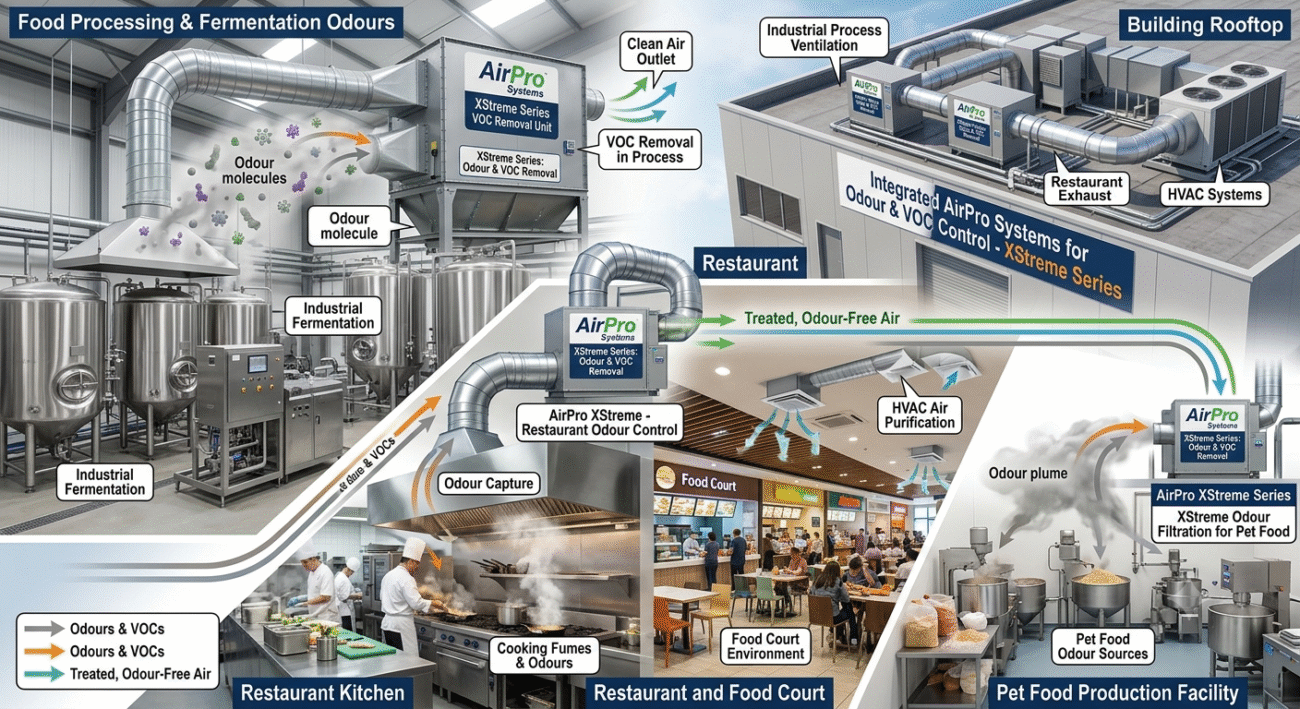
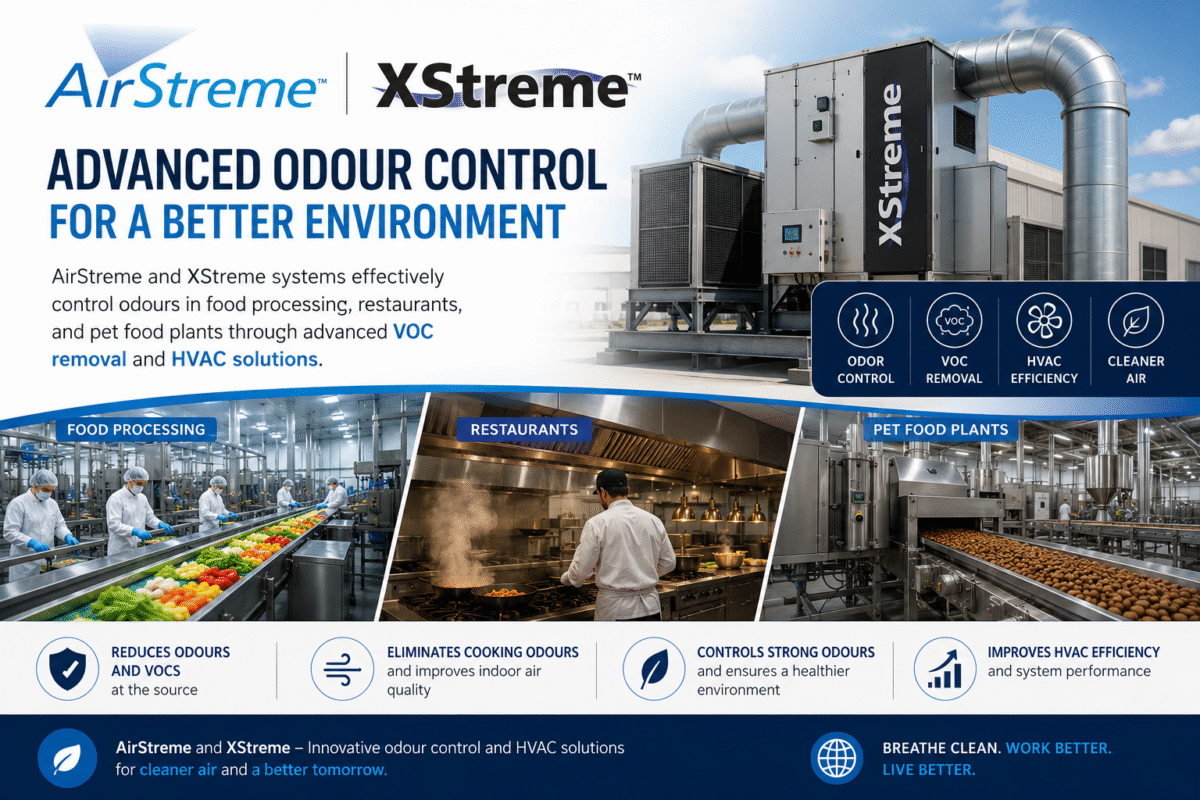
3. Food Processing Plants: Hygienic & Regulatory Compliance
Food manufacturing generates odours from processing, byproducts, and waste handling.
Typical odour control investments:
- Small plants: $20,000–$100,000
- Large processing facilities: $100,000–$300,000+
Primary odour sources:
- Rendering operations
- Fermentation processes
- Organic waste storage
- Cooking and exhaust systems
Additional installation expenses:
- Stainless steel integration
- FDA-compliant materials
- High-efficiency extraction fans
ROI considerations:
- Improved worker environment
- Compliance with health standards
- Prevention of product contamination
- Protection of brand reputation
Food companies often view odour control as a brand protection investment rather than an operational expense.
4. Commercial Buildings: Indoor Air Quality (IAQ) and HVAC Odour Mitigation
Commercial buildings experience odour challenges related to:
- Kitchen exhaust
- Waste storage
- Washrooms
- Parking garages
Typical cost range:
- Small systems: $2,000–$20,000
- Large commercial facilities: $10,000–$50,000
Installation expenses include:
- HVAC retrofits
- Activated carbon filters
- Odour-neutralizing mist systems
- UV or ionization modules
ROI calculation focuses on:
- Tenant satisfaction
- Reduced complaints
- Air quality compliance
- Lower HVAC maintenance costs
Buildings with strong IAQ standards often retain tenants longer and justify higher rental rates.
Understanding Installation Expenses: From Site Review to Commissioning
Phase 1: Site Assessment and Engineering Design
This includes:
- Odour mapping
- Airflow measurement
- Chemical or biological analysis
- Equipment specification
This phase ranges from $2,000 to $25,000 depending on complexity.
Phase 2: Equipment Procurement
Costs vary based on:
- System capacity
- Material type (stainless steel, PVC, HDPE)
- Automation level
- Redundancy requirements
Phase 3: Mechanical and Electrical Installation
Expenses typically include:
- Ductwork modifications
- Pump or compressor installation
- Control panel wiring
- Sensor integration
Phase 4: Commissioning and Calibration
Technicians ensure proper operation, adjust dosing rates, and calibrate sensors.
ROI Analysis: How to Evaluate Long-Term Value
A well-designed odour control system should not be judged purely on upfront cost. True value emerges over the lifecycle of the system.
1. Reduced Corrosion Costs
Hydrogen sulfide (H₂S) accelerates concrete and metal degradation. Repairing corroded infrastructure can cost millions. Investment in odour control significantly extends asset lifecycle.
2. Decreased Chemical Consumption
Biological enhancement and optimized dosing lower dependency on costly chemicals.
3. Improved Worker Safety
Low H₂S levels reduce risk:
- Fewer alarm events
- Reduced sick days
- Lower hazard insurance premiums
NIOSH guidance on H₂S worker safety underscores this connection:
https://www.cdc.gov/niosh/
4. Community Relations and Regulatory Compliance
Avoided fines and improved reputation contribute directly to economic stability.
5. Energy Efficiency
Advanced odour control systems reduce unnecessary blower or pump use.
Cost Comparison of Popular Odour Control Technologies
Technology | CAPEX | OPEX | Strength | Best Use Case |
Wet Scrubbers | High | Medium–High | Highly effective for soluble gases | Wastewater, industrial |
Activated Carbon | Low–Medium | Medium–High | VOC removal | HVAC, commercial |
Biofilters | Medium–High | Low | Sustainable odour removal | Wastewater, composting |
Misting/Vapour Systems | Medium | Medium | Outdoor odour control | Landfills, transfer stations |
Chemical Oxidation | Medium | High | Fast removal | Emergency H₂S control |
Case Example: ROI Calculation for a Wastewater Plant
Scenario:
- Plant spends $120,000 annually on chemical oxidation
- New odour control system costs $50,000 upfront
- Biological enhancement reduces chemical use by 60%
Savings:
- Annual savings: $142,000
- Payback period: ~2 years
- ROI over 10 years: ~$720,000
Factors That Can Reduce Odour Control Cost
1. Hybrid Systems
Combining biological enhancement + misting/neutralization reduces CAPEX and OPEX.
2. Smart Control Automation
AI-driven dosing systems optimize chemical and energy usage.
3. Proper Maintenance Scheduling
Regular cleaning of nozzles, pumps, and media extends equipment life.
4. System Scalability
Modular systems allow staged investment as budgets permit.
Hidden Costs to Be Aware Of
- Underestimating consumable usage
- Designing systems that do not account for seasonal variability
- Ignoring airflow fluctuations
- Overlooking biofilm formation in pipes
- Neglecting corrosion and structural impacts
Conclusion: Making Smart Investments in Odour Control
Understanding the odour control cost, installation expenses, and ROI across wastewater, landfill, food processing, and commercial building environments empowers decision-makers to make informed, strategic investments.
To summarize:
- Costs vary widely depending on industry and system size
- Installation expenses must be evaluated comprehensively
- ROI is significant when infrastructure protection and chemical savings are factored in
- Choosing the right technology mix maximizes long-term value
Investing in odour control is not just about eliminating unpleasant smells—it’s about safeguarding infrastructure, protecting workers, enhancing community relations, and ensuring operational continuity.