
Commercial & Hospitality: Keeping Spaces Smell-Free

Introduction: When First Impressions Become Forever Impressions
The evening was quiet when the general manager of the Grand Aurora Hotel & Spa received the message that sparked a transformation. It wasn’t a major complaint—just a discreet note from a loyal guest: “The spa smells damp today.”
One short sentence.
But it carried the weight of everything the hospitality industry stands for: comfort, luxury, and complete trust.
The general manager knew one thing: in hotels, gyms, spas, and any premium hospitality environment, odour is not merely a nuisance—it is a reputation risk. That single guest comment launched a journey into understanding odour control for hotels, gyms, spas, and beyond.
This story—based on real challenges faced by commercial and hospitality facilities worldwide—explores the science, economics, and technology behind creating consistently fresh environments. And at the center of that story stands a modern, nature-driven innovation: the AirSensory Series.

Chapter 1 — When Luxury Meets Reality: The Hidden Odour Challenge
From the outside, the Grand Aurora Hotel looked impeccable. Inside, however, there were invisible battles being fought:
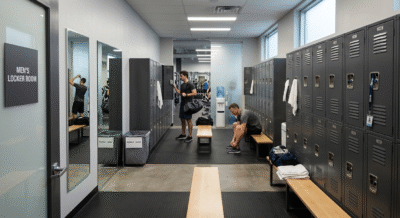
- Gym locker rooms battling sweat and humidity
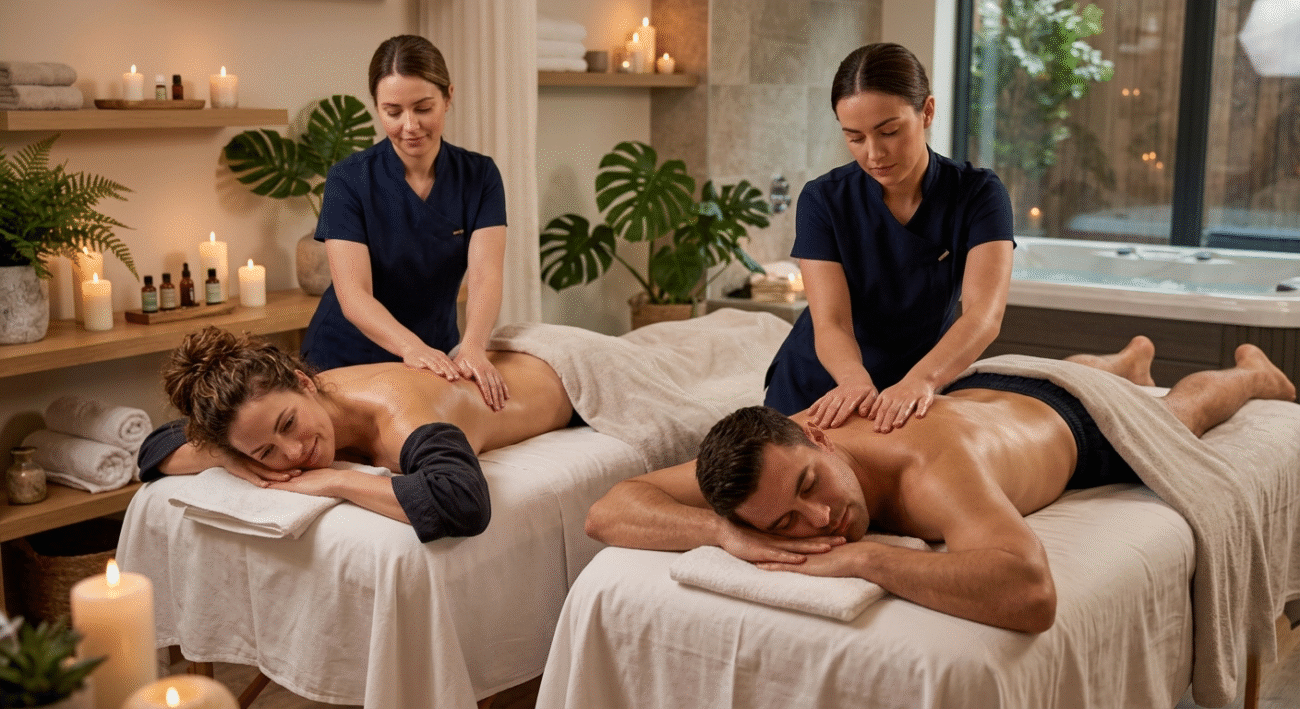
- Spa treatment rooms absorbing oils and moisture
- Laundry facilities producing heat and chemical odours
- Restaurants generating cooking fumes
- HVAC systems circulating air that was clean… but not fresh
Across hospitality spaces, indoor air quality is often the quiet difference between “good” and “unforgettable.”
According to the EPA Indoor Air Quality report, indoor air can be 2–5 times more polluted than outdoor air due to poor ventilation, excessive humidity, VOCs, and biological contaminants.
Source: https://www.epa.gov/indoor-air-quality-iaq
Unpleasant odours quickly disrupt:
- Guest satisfaction
- Staff morale
- Brand perception
- Online reviews
- Repeat business
And in the age of digital reviews, even minor odour complaints spread fast.
Chapter 2 — Understanding Odours in Commercial & Hospitality Spaces
Hotels and hospitality facilities face a unique odour ecosystem. While industrial environments struggle with sulphides or VOC chemicals, hospitality odours originate from human activity, moisture, food preparation, cleaning chemicals, and HVAC circulation.
Top Odour Sources in Hospitality Facilities
Area | Common Odour Sources | Severity |
Gyms | Sweat, humidity, bacteria | High |
Spas | Oils, moisture, organic compounds | Medium |
Restaurants | Food grease, spices, burnt smells | High |
Guest rooms | Stale air, linens, HVAC stagnation | Medium |
Laundry rooms | Heat, detergents, wet towels | Medium |
Washrooms | Drain gases, moisture | High |
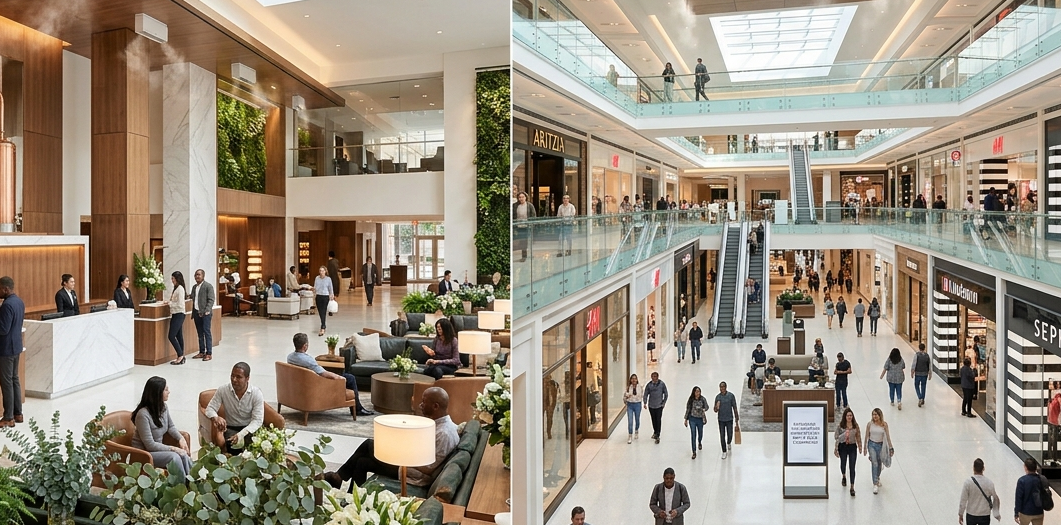
Lobbies | Mixed traffic, furniture, perfumes | Low |
The challenge isn’t just eliminating odour—it’s maintaining continuous air freshness that aligns with the hospitality brand’s identity.

Chapter 3 — The General Manager’s Search for a Solution
When the Grand Aurora GM started investigating solutions, the options were overwhelming:
- Ozone generators (effective but unsafe for guests)
- DIY air fresheners (short-lived and superficial)
- HVAC upgrades (expensive)
- Activated carbon units (good for VOCs but little fragrance)
- Scent diffusers (fragrance only; no air quality impact)
He wanted a solution that was:
- Continuous
- Elegant
- Natural
- Safe for guests and staff
- Capable of enhancing indoor air quality—not just masking odours
That’s when he discovered the AirSensory Series—a natural fragrance line designed specifically for the hospitality sector.

Chapter 4 — Technology Spotlight: AirSensory Series
Unlike traditional air fresheners or industrial odour systems, the AirSensory Series blends nature-derived fragrances with smart dispersion technology.
What Makes AirSensory Series Ideal for Hotels, Gyms & Spas?
- Natural, safe fragrance formulations
- Continuous, controlled diffusion
- Compatible with HVAC systems
- No harsh chemicals or aerosols
- Multiple scent profiles for different ambiance zones
- Low energy, low noise systems
This aligns perfectly with WHO recommendations for avoiding harsh aerosolized chemicals in indoor spaces:
https://www.who.int/
How AirSensory Works
- Fragrance cartridges release micron-controlled vapour
- Neutralizing agents bind odour molecules
- HVAC integration ensures even distribution
- Aroma profile gently enhances guest experience
Unlike perfumes or sprays, AirSensory doesn't overwhelm. It enhances what’s already there.




Chapter 5 — A Walk Through the Hotel: Transforming Each Space
The GM’s journey became a walk through transformation.
1. The Lobby — The First Breath
When guests entered, a gentle citrus-tea aroma welcomed them. Energizing but subtle.
- Air quality sensors maintained perfect fragrance levels
- Staff reported improved mood and focus
2. Spa Treatment Rooms — Serenity Reinvented
Moisture-driven odours previously clung to towels and wooden floors.
With AirSensory diffusion:
- Calming botanical notes replaced stale humidity
- Organic compounds in oils were neutralized
- Guests immediately commented on “cleaner air”
3. Gym & Fitness Center — From Sweat to Freshness
Gyms are notorious for strong human-sweat odours.
AirSensory systems used:
- High-performance vapour dispersal
- Natural deodorizing agents
- Background citrus-mint aroma
Result? A fresh, non-chemical environment.
4. Guest Rooms — Consistent Fresh Air Without Overpowering Scents
Guest rooms are tricky:
- Odours vary between cleaning cycles
- Rooms may stay closed for hours
AirSensory ensures:
- Gentle background aroma
- No synthetic aerosol buildup
- Improved HVAC circulation
5. Restaurants — Appetite-Friendly Air
Food smells are desirable—but only during mealtimes.
AirSensory:
- Eliminates cooking odours after service
- Preserves a clean dining atmosphere
- Maintains airflow balance without masking food aromas
Chapter 6 — The Economics: Air Quality as an Investment
Hotels often underestimate the ROI of indoor air quality.
Poor odour control leads to:
- Negative reviews
- More room refunds
- Higher cleaning costs
- Increased staff dissatisfaction
- Lower return visits
ROI Analysis Table
Impact Area
Before
After AirSensory
ROI Benefit
Guest complaints
12/month
1–2/month
+Reduced compensation expense
Room turnover time
Slow due to lingering odour
Faster freshness
+Higher occupancy
Staff productivity
Lower due to odour fatigue
Higher due to pleasant environment
+Operational efficiency
Online reviews
Mixed
Higher ratings
+Increased bookings
Energy use
Higher HVAC load
Optimal operation
+Energy savings
Hotels and gyms that invest in scent-enhancing odour control systems often see direct revenue improvement within months.
- Negative reviews
Chapter 7 — Why Natural Fragrance Matters in Hospitality
Guests today are more health-aware than ever. According to the Global Wellness Institute, demand for wellness-aligned hospitality environments has skyrocketed worldwide.
Source: https://globalwellnessinstitute.org/
This includes:
- Chemical-free scents
- Natural botanicals
- Wellness-oriented ambiance
- Improved air quality
The AirSensory Series supports these trends by avoiding synthetic aerosol propellants and focusing on clean, controlled fragrance delivery.
Chapter 8 — Behind the Scenes: Staff Training & Operational Integration
Any odour control system is only as effective as its implementation.
At the Grand Aurora:
- Housekeeping teams learned how to replace cartridges
- Maintenance staff standardized monitoring
- Spa managers selected seasonal scent profiles
- Gym staff adjusted intensity during peak hours
AirSensory Training Table
Department | Task | Benefit |
Housekeeping | Replace cartridges | Always-fresh fragrance |
Engineering | Monitor system diagnostics | Prevents downtime |
Spa team | Select scent profiles | Consistent brand experience |
Gym staff | Adjust intensity | Balanced aroma during peak hours |
Chapter 9 — Guest Reactions: The Turning Point
Within weeks:
- Online reviews highlighted “freshness”
- Spa clients praised relaxing ambiance
- Gym members noted improved comfort
- Staff morale increased
- The GM proudly reported fewer odour-related incidents
The hotel atmosphere transformed—from the air itself to the emotional experience of guests.
Chapter 10 — Industry Comparisons: Why Hospitality Needs Specialized Odour Control
Hotels aren't factories. Gyms aren't landfills. Spas aren't wastewater plants.
Commercial and hospitality spaces have unique odour challenges requiring specialized solutions.
Industry Comparison Table
Sector | Odour Sources | Required Solutions |
Hotels | Linens, HVAC, washrooms | Natural fragrance, continuous freshening |
Gyms | Sweat, humidity | High-intensity deodorizing + airflow |
Spas | Oils, moisture | Botanical scents + odour neutralization |
Restaurants | Kitchen odours | Post-service purification |
Commercial buildings | Traffic, garbage | Balanced scent diffusion |
The AirSensory Series was created specifically with these requirements in mind.
Chapter 11 — The Science of Positive Air Experiences
Humans form emotional connections through scent.
According to research from Harvard University, memories and emotions are strongly linked to olfactory signals.
Source: https://www.harvard.edu/
This means:
- Pleasant scents increase satisfaction
- Unpleasant odours decrease trust
- Scented environments trigger positive emotional responses
AirSensory leverages natural fragrance profiles that evoke:
- Comfort
- Calm
- Energy
- Cleanliness
Chapter 12 — Closing the Story: A Fresh Start
Months after implementing the AirSensory system, the general manager reflected on that original guest complaint. What began as a problem became an opportunity:
“Our air quality transformed our brand experience. Guests feel it the moment they step inside.”
Odour control in hospitality isn’t just about eliminating smells—it’s about crafting sensory experiences that align with your brand’s promise of comfort, luxury, and care.
And with the AirSensory Series, hospitality environments can maintain continuous freshness naturally, safely, and beautifully.
Conclusion
Odour control for hotels, gyms, spas, and commercial buildings is a vital component of the guest experience. Indoor air quality shapes perception, influences mood, and strengthens brand loyalty.
The AirSensory Series provides:
- Natural, luxurious fragrance
- Continuous air quality enhancement
- A custom scent identity for each area
- Smart, efficient, and safe delivery
From a business perspective, the ROI is clear.
From a guest perspective, the experience is unforgettable.