
Odour Control in Wastewater Treatment Plants – Effective Strategies for H₂S Removal and Biological Odor Reduction (Case Study)

Introduction: The Hidden Challenge of Wastewater Odour
Wastewater treatment plants (WWTPs) are essential for protecting public health and the environment. However, they face a persistent and complex operational challenge: controlling offensive odours, primarily caused by the release of hydrogen sulfide (H₂S) and other volatile sulfur compounds (VSCs).
H₂S is notorious for its "rotten egg" smell, is highly toxic, and is a significant contributor to infrastructure corrosion. The U.S. Occupational Safety and Health Administration (OSHA) outlines the severe health risks, noting that exposure to concentrations as low as 20 parts per million (ppm) can be immediately hazardous.
For urban plants, odour complaints can quickly escalate into public relations crises, straining community relations. Effective odour control is, therefore, a critical component for ensuring operational longevity, worker safety, and social license to operate.
This case study examines a real-world application where a WWTP successfully combated severe odour issues—including extreme H₂S levels, biofilm buildup, and unsustainable chemical use—by implementing a multi-stage strategy featuring AirSolution 9312 and BioStreme 201 & 202.
Understanding the Source: Why Wastewater Odour Happens
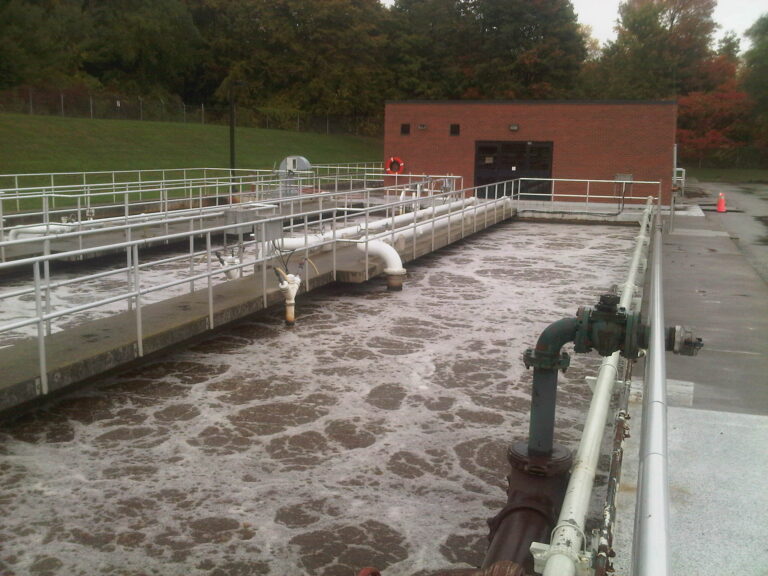
The genesis of wastewater odour lies in anaerobic (without oxygen) biological activity. In environments like force mains, wet wells, and sludge holding tanks where oxygen is depleted, sulfate-reducing bacteria (SRBs) thrive. These bacteria metabolize sulfates and organic matter, producing:
- Hydrogen Sulfide (H₂S)
- Mercaptans
- Organic Acids
- Ammonia
As noted by the Water Environment Federation (WEF), factors such as warm temperatures, high concentrations of organic material (BOD/COD), and long retention times accelerate this sulphide generation process.
The Consequences of Uncontrolled H₂S
- Public Nuisance: Strong, offensive odours leading to community complaints.
- Infrastructure Corrosion: H₂S converts to sulfuric acid, which rapidly degrades concrete and metal assets. The Association for Materials Protection and Performance (AMPP) provides extensive resources on this corrosive process.
- Health and Safety Hazards: H₂S is a broad-spectrum poison, posing risks to plant workers.
- High Operational Costs: Over-reliance on chemical oxidants like hypochlorite becomes expensive and difficult to control.
Case Study Overview: A Plant in Crisis
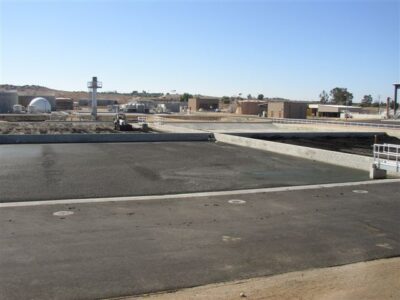
Plant Profile
- Type: Urban Wastewater Treatment Plant
- Capacity: 45-75 Million Litres per Day (MLD)
- Key Challenges: Multiple lift stations, extended force mains, high influent strength, and frequent anaerobic zones.
The facility was grappling with severe issues:
- H₂S levels exceeding 200 ppm in wet wells.
- Visible corrosion of concrete and metal structures.
- A high volume of odour complaints from nearby residents.
- Escalating costs and inefficiency from using chlorine and nitrate-based chemicals.
- Significant biofilm accumulation in the collection system.
The operations team needed a sustainable, long-term solution that addressed both the gaseous H₂S and its biological source.
Initial Assessment and Baseline Monitoring
A comprehensive odour audit was conducted to establish a baseline:
- H₂S Monitoring: Portable gas detectors recorded levels from 80-200 ppm in wet wells and over 100 ppm in sludge handling areas.
- Biological Assessment: Samples from force mains confirmed high activity of sulfate-reducing bacteria (SRBs) and substantial dissolved sulfide.
- Chemical Usage Analysis: The existing chemical dosing regimen was inconsistent, leading to periods of both under- and over-treatment.
- Community Impact: Numerous confirmed odour complaints from residents within a 500-meter radius.


A Two-Pronged Odour Control Strategy
A synergistic, two-stage strategy was implemented to provide both immediate and long-term control:
- Immediate Gas-Phase Suppression: Using AirSolution 9312 to neutralize H₂S in the air.
- Long-Term Liquid-Phase Control: Using BioStreme 201 & 202 to biologically reduce sulfide generation at its source.
Technology Spotlight:
AirSolution 9312 for Immediate Odour Suppression
What is AirSolution 9312?
AirSolution 9312 is a specialized, liquid odour neutralizer designed for rapid suppression of H₂S, mercaptans, and ammonia in industrial air streams.
How It Was Implemented:
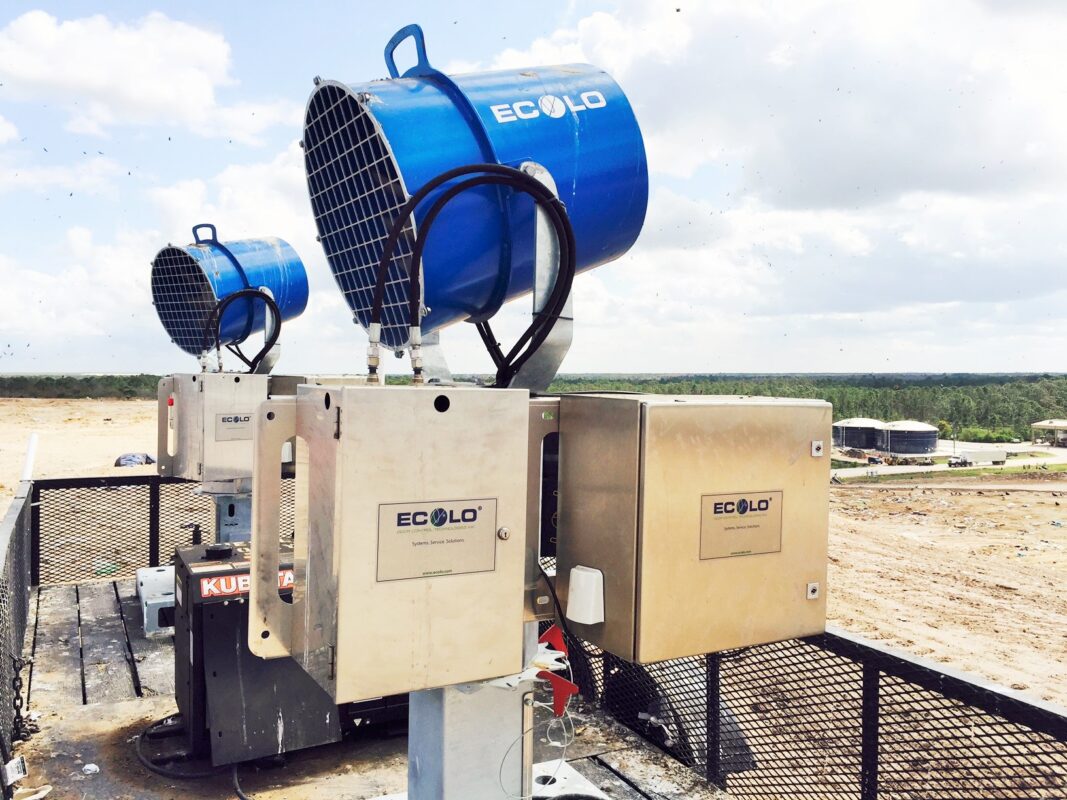
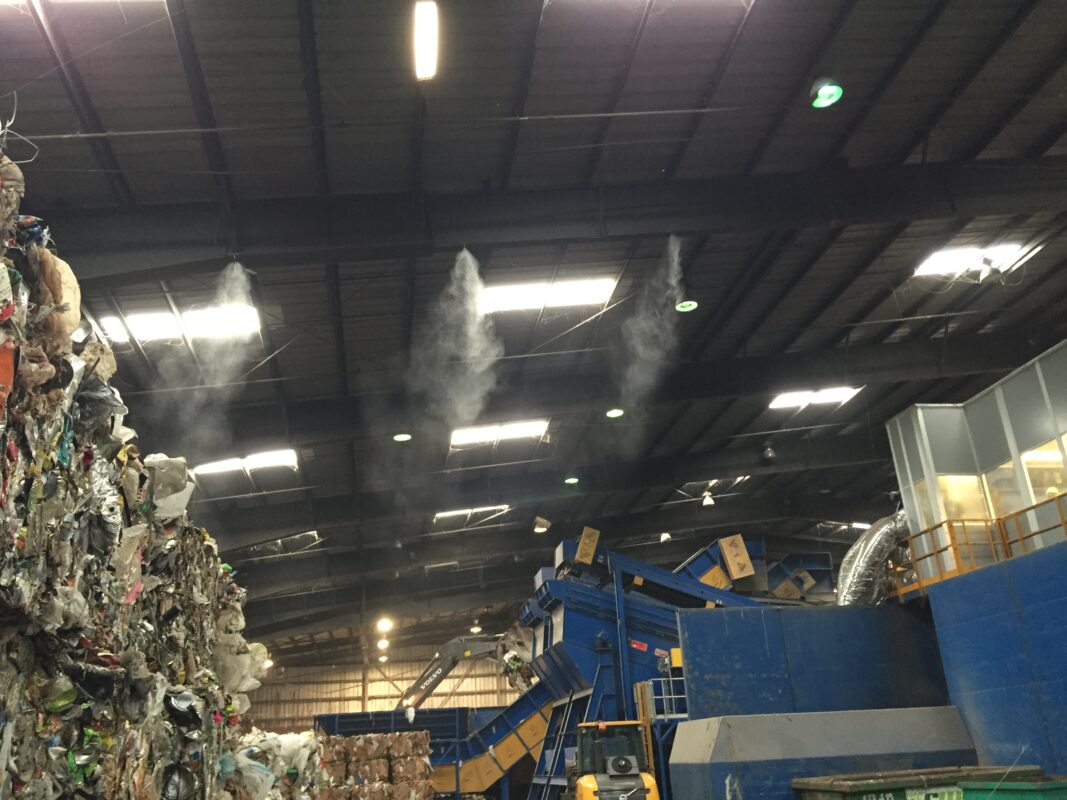
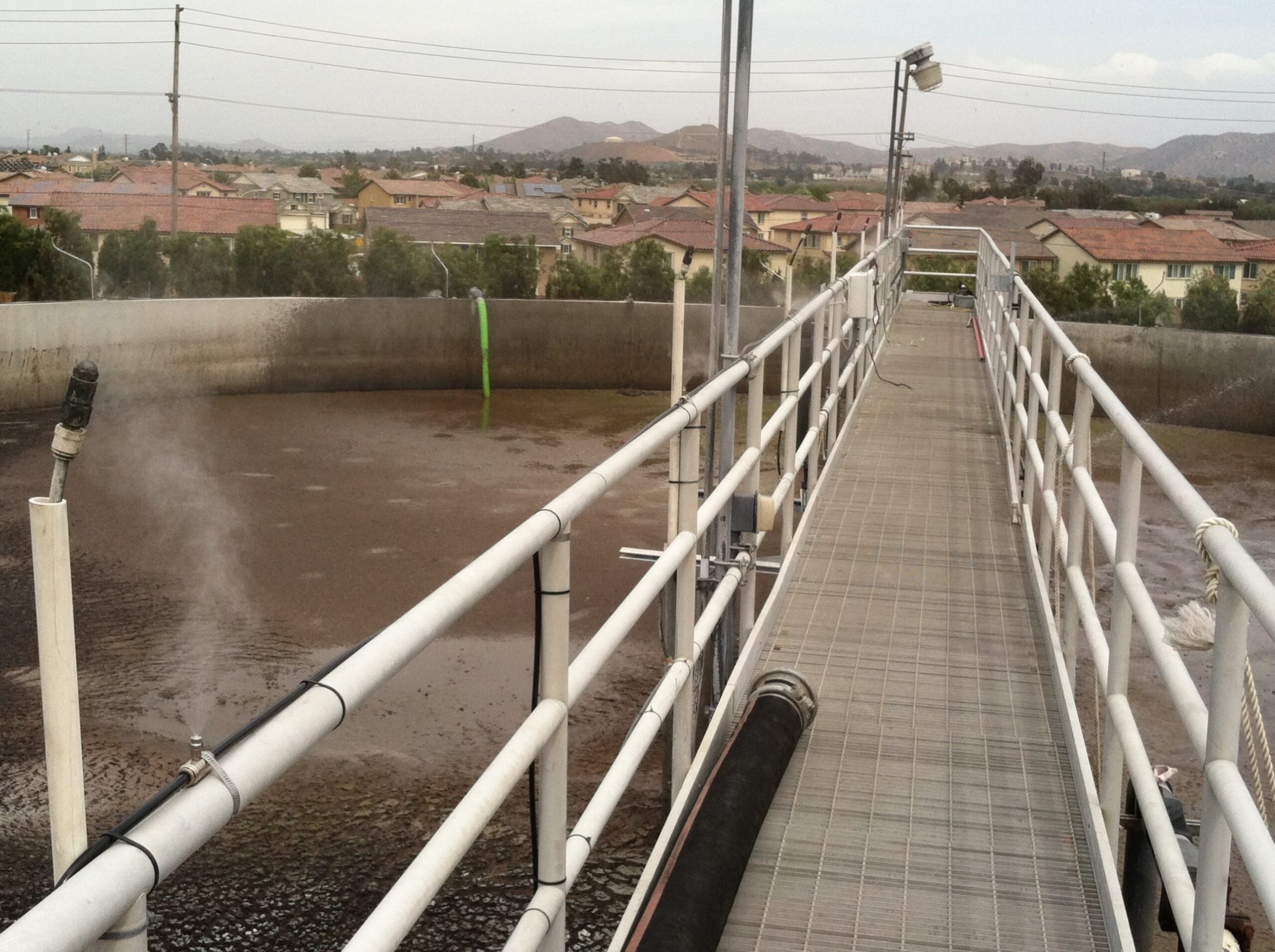
High-pressure atomization systems were installed at key odour release points: the wet well entry, headworks building, and sludge loading bay.
The Result:
The effect was immediate. H₂S readings in these areas dropped from over 150 ppm to below 20 ppm, providing an instant improvement in air quality and worker safety. This quick win was crucial for regaining control of the situation.
Biological Enhancement: BioStreme 201 & 202 for Sustainable Control
The Science Behind the Solution
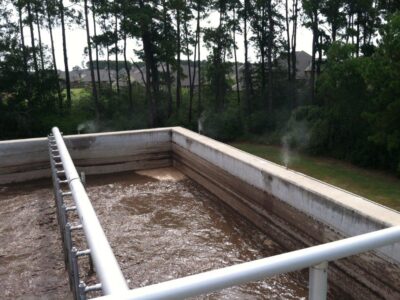
While AirSolution 9312 handled the air-borne symptoms, BioStreme 201 and 202 were deployed to treat the disease in the wastewater itself. These biological enhancers are formulations of specific bacteria, nutrients, and stimulants designed to shift the microbial ecology.
How They Work:
- They introduce and promote beneficial aerobic and facultative bacteria.
- These "good" bacteria outcompete the sulfate-reducing bacteria (SRBs) for food (organic carbon).
- This competition reduces the SRBs' ability to produce sulfide in the first place.
- This biological approach aligns with sustainable practices discussed in research published in the Journal of Environmental Management.
Implementation and Results:
BioStreme 201 was dosed into upstream force mains, while BioStreme 202 was applied at lift stations. After 8 weeks of consistent application, the plant observed:
- A 60-80% reduction in H₂S levels in force mains.
- A 50-70% reduction in dissolved sulfide.
- Noticeably less biofilm accumulation.
- A ~40% reduction in chemical oxidant usage.
Comparative Analysis: Chemical vs. Biological Odour Control
Approach | Benefits | Limitations | Best Use Case |
Chemical Oxidation | Fast, powerful oxidation | High cost, corrosive, byproduct formation | Emergency, short-term spikes |
AirSolution 9312 | Immediate gas-phase suppression, safe | Does not prevent sulfide generation | Localized, high-impact odour sources |
BioStreme 201 & 202 | Sustainable, treats the source, cost-effective | Takes weeks to establish | System-wide, long-term control |
Mechanical Systems | No chemicals required | High capital/energy cost, limited efficacy alone | Containing and treating captured air |
This case demonstrates that a hybrid approach delivers the most robust and economical outcome.

Operational Benefits Beyond Odour Reduction
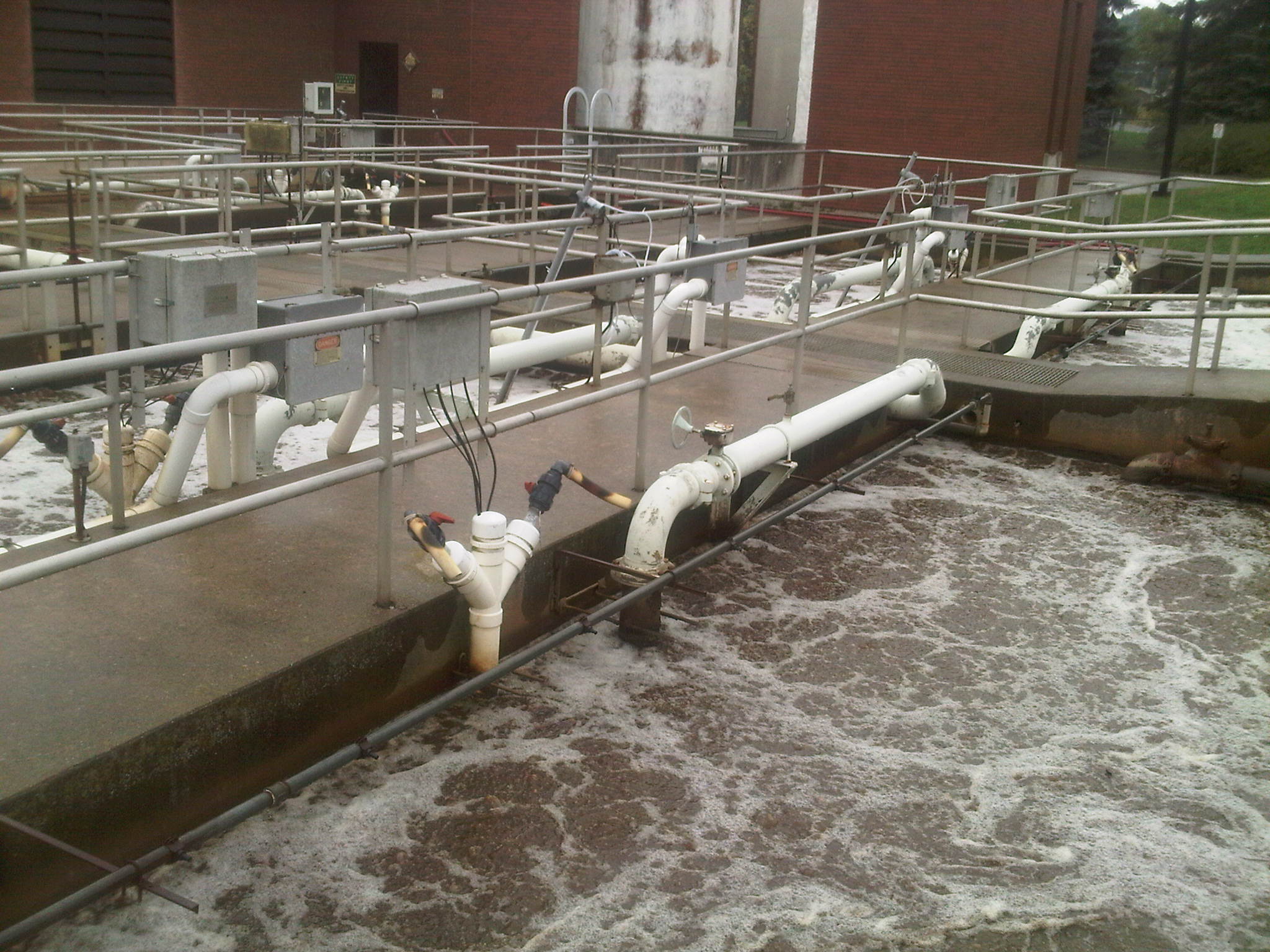
The success of the program yielded additional dividends:
- Infrastructure Protection: Lower sulfide levels directly slow the rate of concrete corrosion, extending the asset's life.
- Enhanced Worker Safety: Consistently lower H₂S levels minimized health risks and alarm events.
- Cost Savings: Reduced spending on hypochlorite and other chemicals by approximately 40%.
- Improved Community Relations: Odour complaints dropped dramatically, rebuilding trust with the community.
- Operational Stability: The system became more resilient to flow and load variations, making operations more predictable.
Conclusion: A Proven Model for Sustainable Odour Control
This case study provides a clear blueprint for tackling complex wastewater odour problems. The key takeaway is that a single-method approach is often insufficient. The most effective strategy is an integrated one:
- Immediate Response: Use AirSolution 9312 to quickly and safely neutralize odours in the air, addressing the immediate complaint and safety hazard.
- Long-Term Solution: Implement BioStreme 201 & 202 to rebalance the microbial ecology in the wastewater, effectively reducing the generation of sulfide at its source.
By adopting this synergistic model, wastewater treatment plants can achieve lasting odour control, protect valuable infrastructure, ensure worker and community safety, and optimize operational budgets.