Top 5 Technologies in Industrial Odour Control: A Comprehensive Guide for Modern Facilities

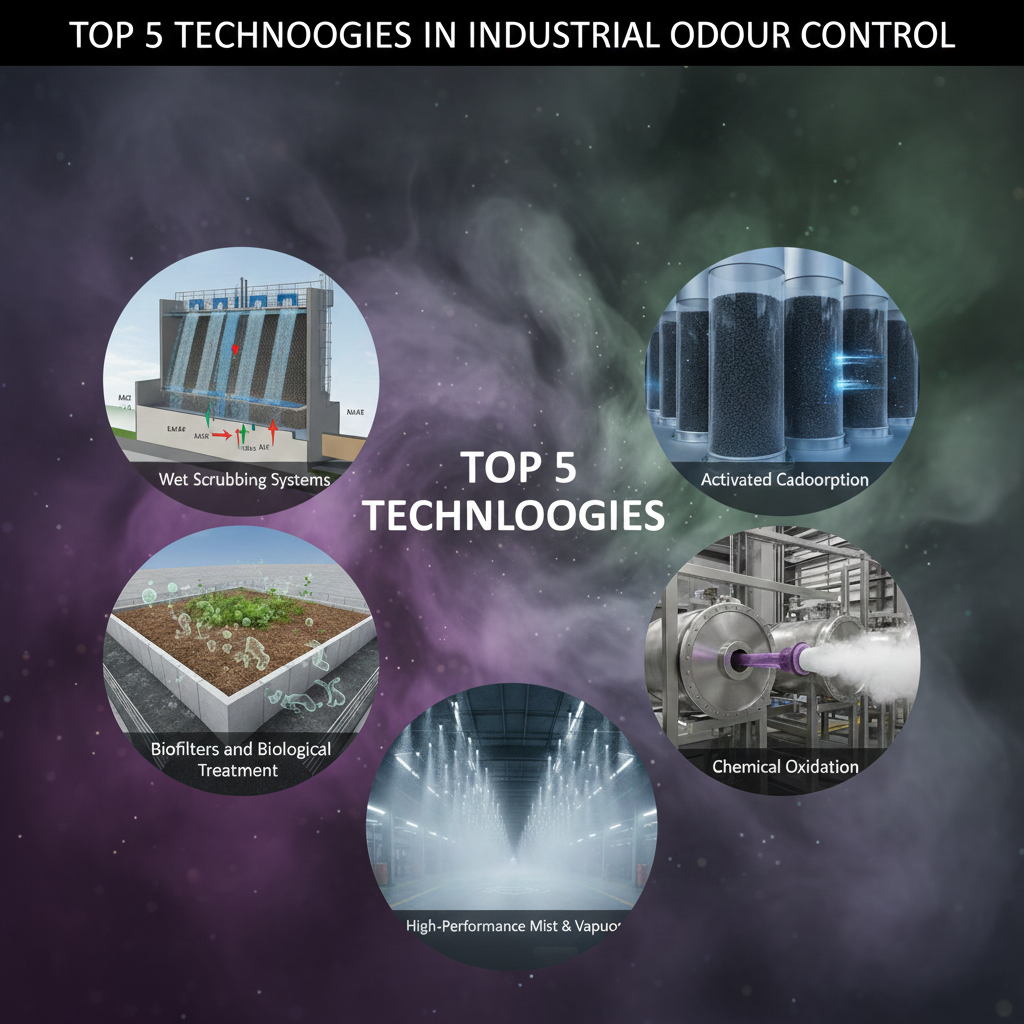
Industrial odour control has rapidly evolved from a peripheral concern to a critical operational imperative. In an era of tightening environmental regulations, heightened public sensitivity to air quality, and the non-negotiable need for safe workplaces, effective odour management is essential. Industries ranging from wastewater treatment and food processing to chemical manufacturing and waste management can no longer treat odour as a mere nuisance.
Odour emissions are complex cocktails of volatile organic compounds (VOCs), hydrogen sulfide (H₂S), ammonia, and mercaptans. These compounds can contribute to regional air pollution, cause accelerated corrosion of valuable equipment, and trigger a cascade of community complaints and regulatory penalties. For engineers, facility managers, and environmental compliance officers, a deep understanding of modern industrial odour control technologies is not just beneficial—it's essential for sustainable operations.
This comprehensive guide will dissect the top five industrial odour control technologies, explaining their mechanisms, ideal applications, and key advantages. We will also shine a spotlight on the XStreme 8750 Series, a high-performance system engineered for the most demanding large-scale industrial exhaust and scrubber applications.
1. Wet Scrubbing Systems: The Workhorse for Soluble Gases
How Wet Scrubbing Technology Works
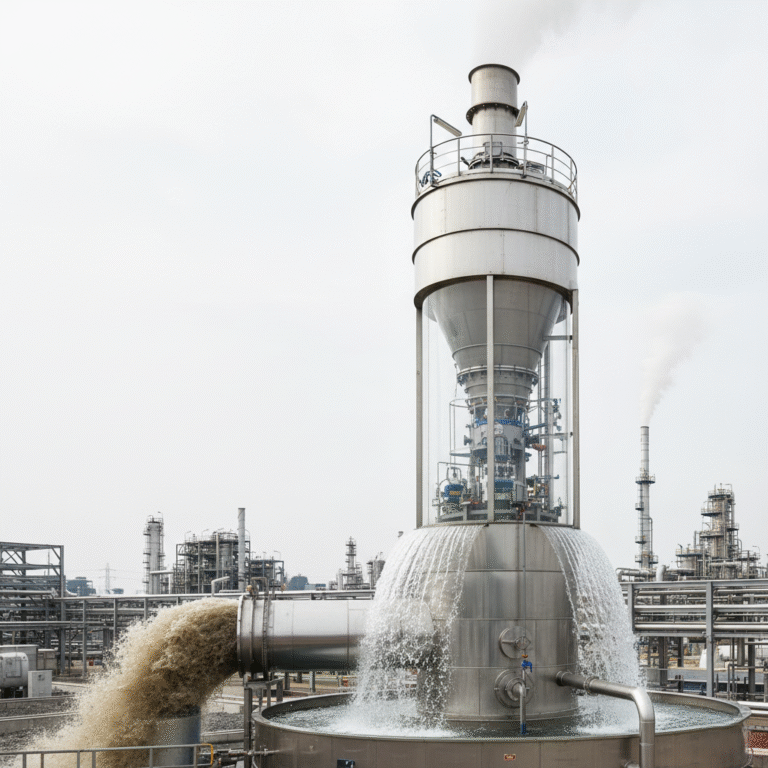
Wet scrubbing is a cornerstone of industrial odour control, renowned for its effectiveness against water-soluble pollutants. The process operates on the principles of mass transfer and chemical reaction. Contaminated air is forced through a tower or chamber where it comes into intimate contact with a scrubbing liquid—typically water augmented with specific chemical agents like sodium hydroxide (for acidic gases) or hypochlorite (for oxidizing reduced sulfur compounds).
The odorous molecules dissolve into the liquid phase and are neutralized by a chemical reaction, rendering them inert. A typical system includes an inlet duct, a packed tower or spray chamber to maximize gas-liquid contact, a chemical injection system, recirculation pumps, and mist eliminators to prevent liquid carryover.
This method is exceptionally proficient at removing:
- Hydrogen Sulfide (H₂S)
- Ammonia (NH₃)
- Various acidic gases (e.g., HCl, SO₂)
- Water-soluble VOCs
For an in-depth technical overview of air pollution control technologies, including wet scrubbers, the U.S. Environmental Protection Agency (EPA) provides a detailed resource center.
Advantages and Limitations of Wet Scrubbers
Advantages:
- High Efficiency: Exceptionally effective for removing soluble odours and gases.
- Targeted Treatment: Scrubbing chemistry can be customized to target specific contaminants.
- High-Volume Capacity: Well-suited for large, continuous industrial air streams.
- Proven Technology: A well-understood and reliable method with a long track record.
Limitations:
- Chemical Consumption: Requires a continuous supply of chemicals, adding to operational costs.
- Waste Stream: Produces a liquid effluent that must be treated and disposed of properly.
- Limited Scope: Less effective for hydrophobic (water-repelling) VOCs and low-solubility compounds.
Best Applications for Wet Scrubbing
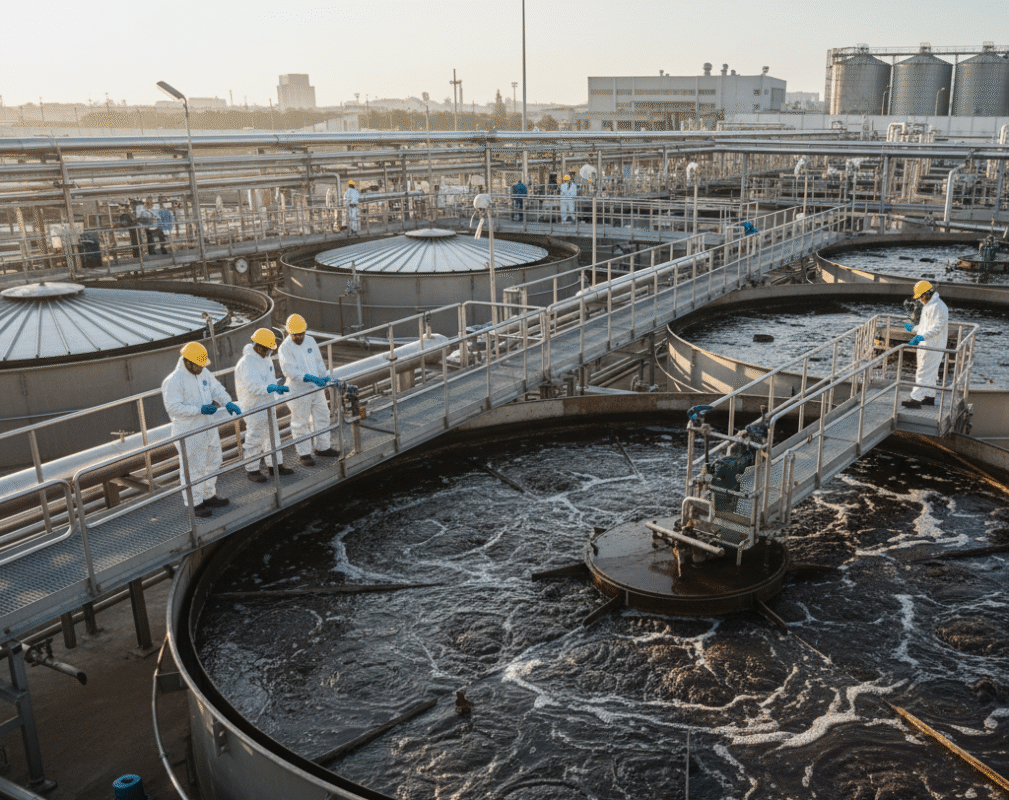
- Wastewater Treatment Plants (particularly headworks and sludge processing)
- Pulp and Paper Mills
- Chemical Manufacturing Facilities
- Landfill Gas Treatment Systems
2. Activated Carbon Adsorption: The Versatile Vapor Trap
The Science of Adsorption in Odour Control
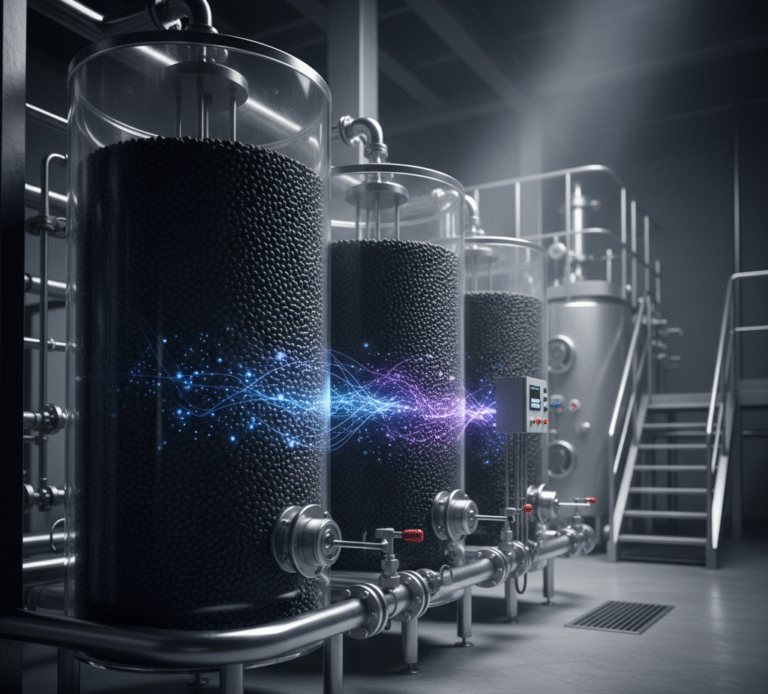
Activated carbon adsorption relies on a physical process where gas-phase odour molecules adhere to the vast surface of a porous solid material. Activated carbon is processed to have an incredibly high surface area—often exceeding 1,000 square meters per gram—creating a molecular "sticky surface." As the contaminated air passes through a bed of this carbon, odour molecules like VOCs and certain sulfur compounds are trapped within the pore structure.
A standard adsorption system consists of a fan, a vessel or multiple tanks filled with activated carbon, and pre-filters to remove particulates that could prematurely clog the carbon pores.
The Royal Society of Chemistry offers a detailed exploration of adsorption science and material properties, which is fundamental to understanding this technology.
Advantages and Limitations of Activated Carbon
Advantages:
- Excellent for VOCs: Highly effective for a wide range of low-concentration volatile organic compounds.
- Low Energy Use: Operates passively once the air is pushed through the bed, consuming minimal energy.
- Simplicity: Systems are relatively simple to operate with few moving parts.
- Compact Footprint: Can be ideal for space-constrained applications.
Limitations:
- Media Exhaustion: The carbon has a finite capacity and must be replaced or regenerated once saturated, incurring ongoing costs.
- Humidity Sensitivity: Performance can be severely degraded in high-humidity air streams.
- Capacity Limits: Not typically cost-effective for treating high-volume, high-concentration continuous exhaust streams.
Ideal Use Cases for Carbon Adsorption
- Wastewater Pump Stations
- Laboratory Fume Hoods and Industrial Room Ventilation
- HVAC Odour Control
- Low-Flow Process Vents from manufacturing
3. Biofilters and Biological Treatment: Nature’s Solution
How Biological Odour Control Systems Work
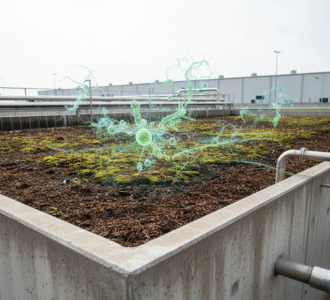
Biological filters, or biofilters, leverage the power of microbiology to consume and break down odorous compounds. In this system, contaminated air is humidified and passed through a moist, porous media bed—often composed of organic materials like compost, wood chips, peat, or engineered synthetic media. A diverse consortium of bacteria and fungi naturally colonizes this media.
These microorganisms use the odour molecules as a food source, metabolizing pollutants like H₂S and organic-based odours into harmless byproducts such as carbon dioxide, water, and mineral salts. It is a natural process engineered for industrial efficiency.
Advantages and Limitations of Biological Filters
Advantages:
- Eco-Friendly Process: Uses a natural biological process, avoiding harsh chemicals.
- Low Operating Cost: After the initial investment, operational expenses are primarily limited to power for the fan and occasional media maintenance.
- High Efficiency for Certain Compounds: Extremely effective for biodegradable odours like hydrogen sulfide and many organic compounds.
Limitations:
- Large Physical Footprint: Requires significant space for the filter bed.
- Sensitive Operation: Performance is dependent on maintaining optimal moisture, temperature, and pH, which can be challenging with fluctuating air conditions.
- Slow Start-Up: Requires time for the microbial colony to establish itself.
- Media Maintenance: The organic media bed breaks down over time and typically requires replacement every 3-7 years.
Applications for Biofilters
- Wastewater Treatment Plants (particularly for sludge composting and aeration)
- Commercial Composting Operations
- Food and Agricultural Waste Processing
- Municipal Solid Waste Handling Facilities
4. Chemical Oxidation: The Powerful Neutralizer
The Mechanism of Chemical Odour Neutralization
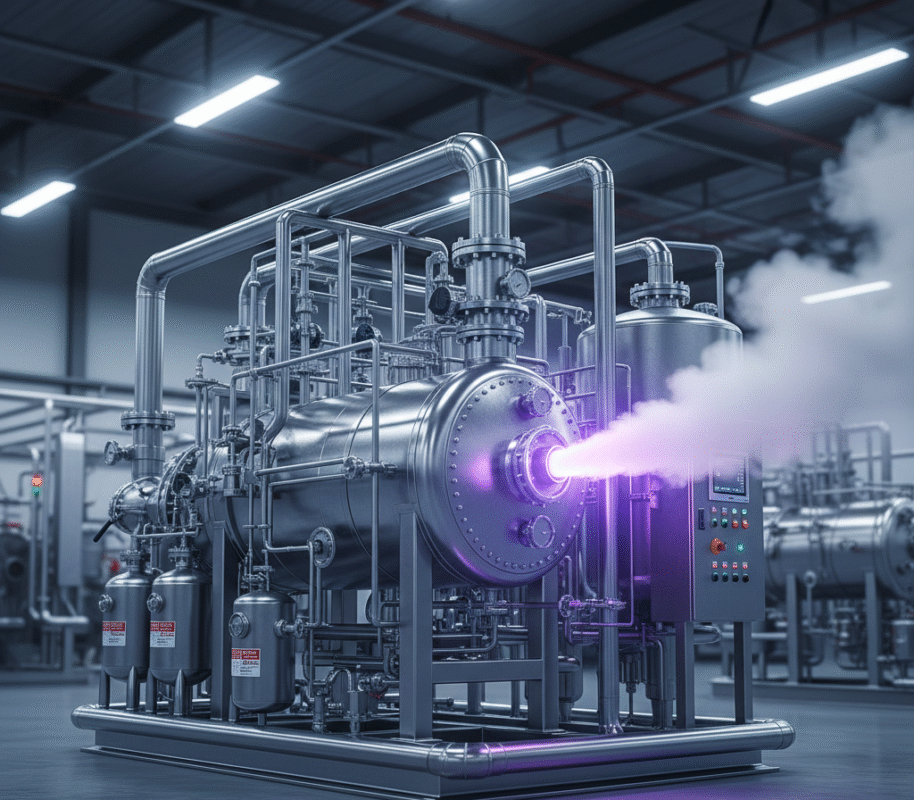
Chemical oxidation is a robust industrial odour control strategy that neutralizes odours by breaking down the molecular structure of the offending compounds. Instead of simply capturing odours, it destroys them through a rapid chemical reaction. Oxidizing agents are introduced into the air stream, where they react with and dismantle the odour molecules.
Common oxidizing agents include:
- Sodium Hypochlorite (Bleach)
- Hydrogen Peroxide
- Potassium Permanganate
- Chlorine Dioxide
These chemicals can be deployed within wet scrubbing systems or via dedicated vapor-phase systems, such as air atomizers or fogging systems that inject a fine mist of the neutralizing agent directly into ductwork or a plume.
Government environmental agencies, such as the Ontario Ministry of the Environment, provide guidelines on chemical treatment technologies for air emissions.
Advantages and Limitations of Chemical Oxidation
Advantages:
- Rapid Action: Provides immediate odour destruction, making it ideal for shock loads or high-impact events.
- Broad-Spectrum Efficacy: Effective against some of the most potent odours, including mercaptans and high-concentration H₂S.
- Retrofit Potential: Can often be integrated into existing scrubbing or ducting systems.
Limitations:
- Chemical Handling: Requires safe storage, handling, and dosing of often hazardous chemicals.
- Precise Control Needed: Over-dosing can lead to secondary emissions ("chemical" odours) and increased costs, while under-dosing is ineffective.
- Ongoing Cost: Continuous consumption of chemicals represents a significant operational expense.
Best Use Cases for Chemical Oxidation
- Emergency Odour Events
- Wastewater Treatment Plant Headworks
- Chemical and Pharmaceutical Manufacturing Exhaust
- Rendering and Animal Processing Plants
5. High-Performance Mist & Vapour Systems: Perimeter Defense
How Modern Misting Systems Control Odour
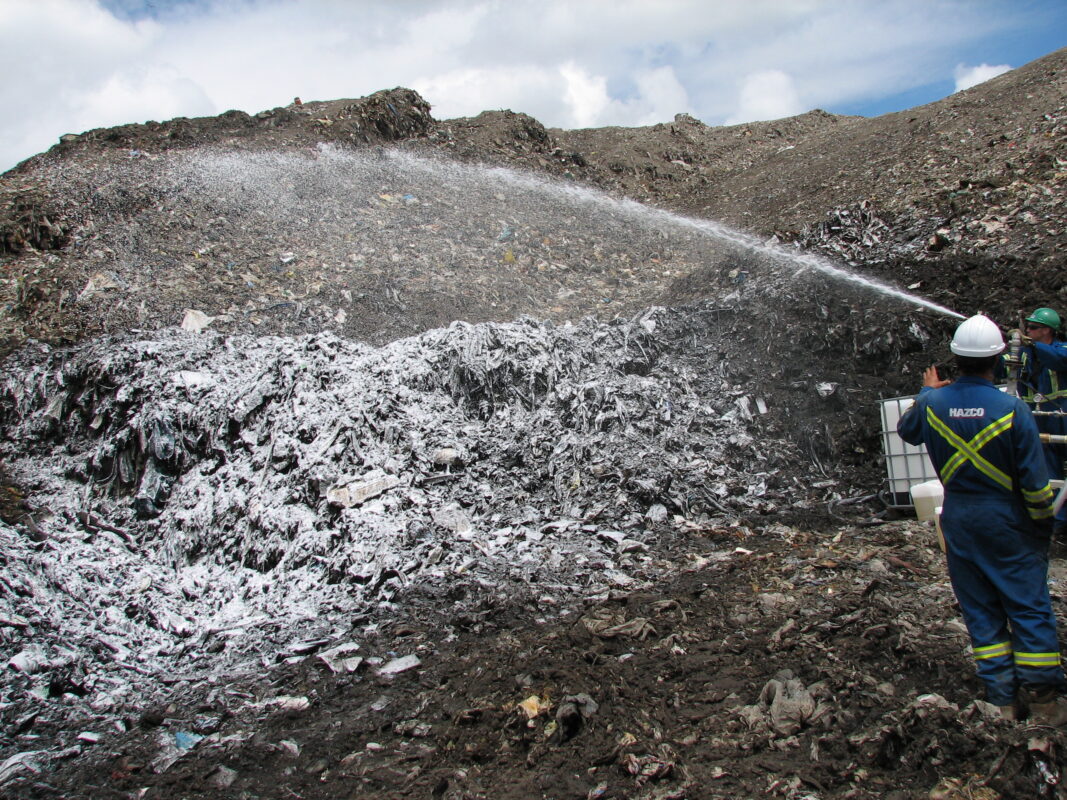
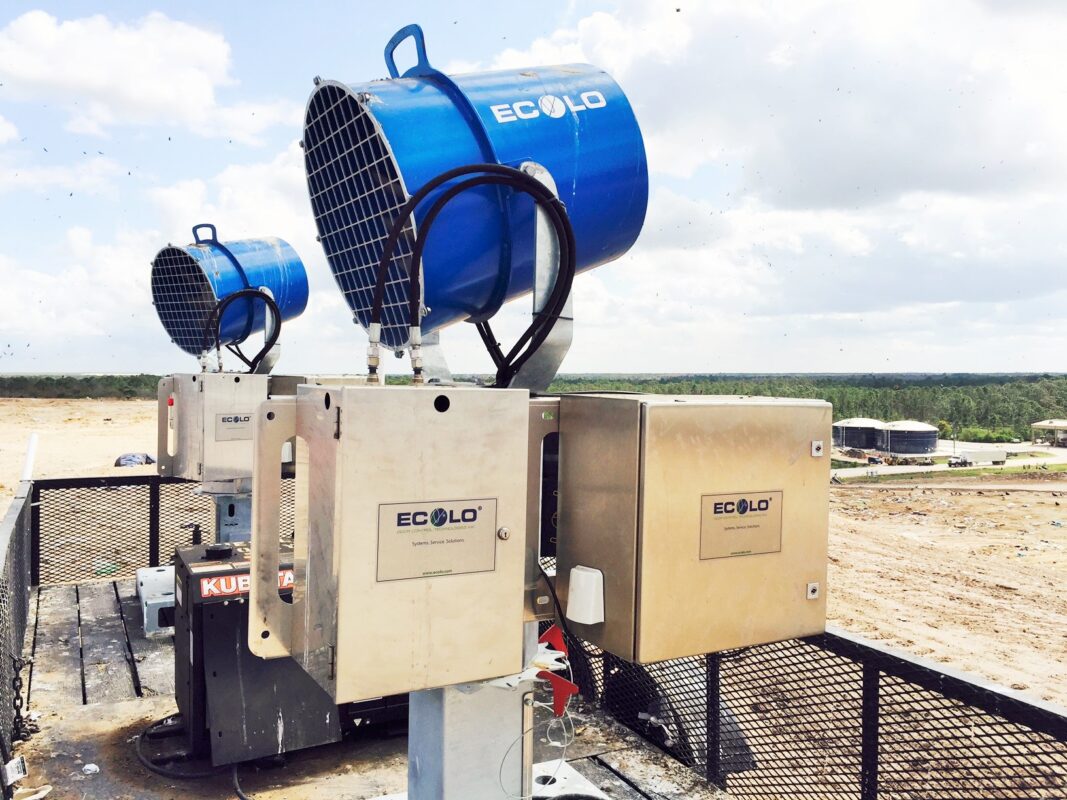
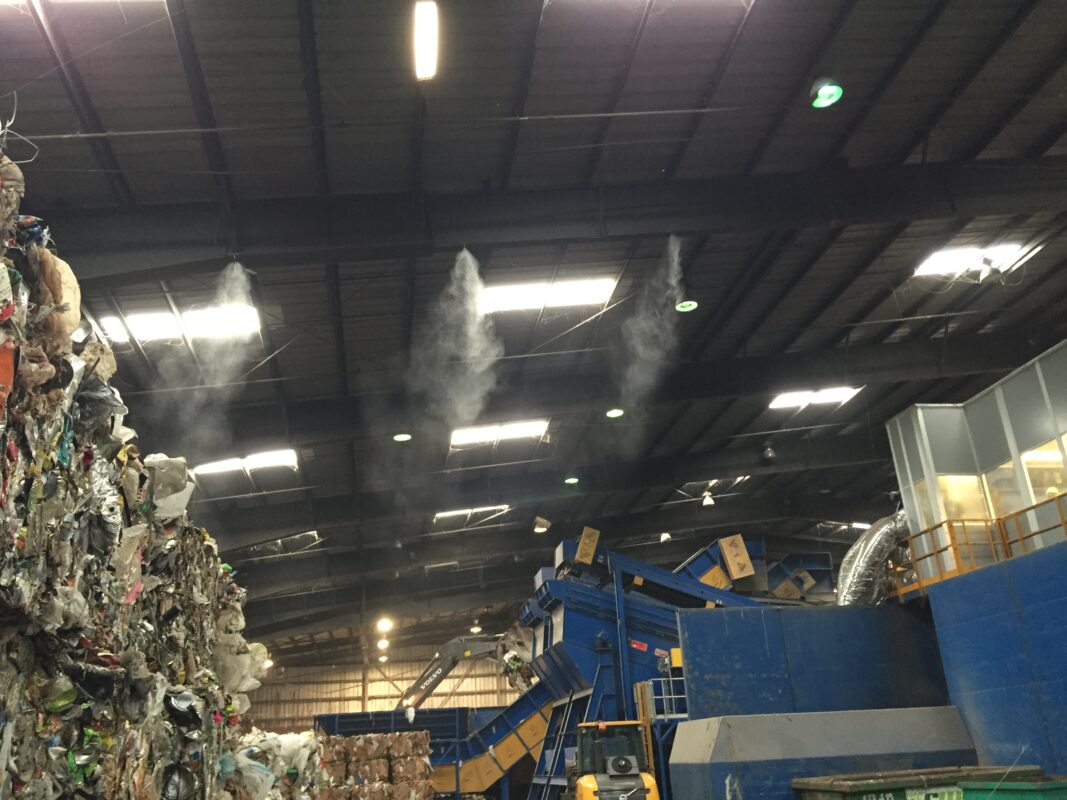
High-performance misting and vapour systems are designed for area and perimeter odour control. These systems atomize a specialized neutralizing formulation into billions of microscopic droplets, creating a vapour or fog. These ultra-fine droplets have a massive collective surface area, allowing them to effectively collide with and neutralize odour molecules in the open air.
Modern systems are highly engineered, featuring high-pressure pumps, corrosion-resistant stainless steel piping networks, and strategically placed micro-diffusion nozzles. They are often integrated with weather stations and sensors for intelligent, automated control based on wind direction, humidity, and real-time odour levels.
Advantages and Limitations of Misting Systems
Advantages:
- Excellent for Outdoor Use: Ideal for controlling odour plumes and fugitive emissions over large, open areas.
- Highly Scalable: Systems can be designed for a small transfer station or a massive landfill site.
- Proactive Defence: Creates an odour-neutralizing curtain at the property perimeter.
- Safe and Flexible: Can use plant-based, non-hazardous neutralizing agents.
Limitations:
- Site-Specific: Primarily designed for outdoor applications and less effective for contained, high-velocity exhaust streams.
- Water Dependency: Requires a consistent water supply for the misting operation.
- Weather Impact: Wind and rain can influence the distribution and effectiveness of the vapour cloud.
Use Cases for Misting/Vapour Systems
- Landfills and Waste Transfer Stations
- Recycling and Organics Composting Facilities
- Perimeter Odour Control for Wastewater Plants
- Agricultural and Livestock Operations
Technology Spotlight: The XStreme 8750 Series for Industrial Exhaust and Scrubber Systems
While the technologies above address a wide range of challenges, certain applications demand a more powerful and precise solution. For large-scale industrial exhaust, scrubber outlets, and high-volume ducted systems, the XStreme 8750 Series stands out as a engineered-for-purpose odour control workhorse.
What Makes the XStreme 8750 Series Unique?
This series is not merely an adaptation of a standard misting system; it is designed from the ground up for the harsh conditions and performance demands of heavy industry.
- Engineered for High-Volume Airflows: The XStreme 8750 Series is capable of delivering a precise and powerful flow of odour-neutralizing agents into large-diameter ducts, ventilation stacks, and the discharge points of industrial exhaust and scrubber systems, where traditional methods may be overwhelmed.
- Superior Chemical Compatibility: Built with corrosion-resistant materials, the system is compatible with a wide array of formulations, from powerful oxidizing agents like hydrogen peroxide to specialized neutralizing blends and eco-friendly plant-based solutions.
- Seamless Scrubbing System Integration: The XStreme 8750 is the perfect complement to wet scrubbing systems. It can be installed at the scrubber outlet as a polishing stage to handle any residual, non-soluble VOCs that the scrubber couldn't capture, significantly boosting overall system efficiency.
- Precision Dosing Technology: Facility operators have full control, with the ability to precisely match chemical dosing to real-time variables such as odour concentration, airflow rates, and process schedules, optimizing chemical use and minimizing waste.
- Industrial-Grade Durability: Every component, from the high-pressure pumps to the stainless steel fittings and control panels, is selected for reliability in demanding environments like chemical plants and wastewater treatment facilities.
Performance Benefits and Industrial Applications
Performance Benefits:
- Enhanced removal efficiency for both organic and inorganic odours.
- Reduced chemical consumption and lower operating costs compared to chemical-only systems.
- Mitigation of community complaints through reliable, consistent performance.
- Demonstrable compliance with stringent environmental regulations.
Applications Across Industry:
- Large-scale wastewater treatment plant exhaust streams.
- Final-stage odour polishing for industrial wet scrubber discharges.
- Ducted fume and process exhaust in chemical manufacturing plants.
- Odour-laden air from food rendering and processing operations.
- As a key component in multi-stage, hybrid odour control setups.
Comparative Analysis: Selecting the Right Odour Control Technology
Choosing the optimal industrial odour control technology is a strategic decision that hinges on a detailed analysis of your specific site conditions. There is no one-size-fits-all solution.
Technology | Best For | Key Advantages | Key Trade-Offs |
Wet Scrubbers | Soluble gases (H₂S, NH₃) | Highly effective, customizable chemistry | Chemical use, liquid waste generation |
Activated Carbon | Low-flow, VOC-laden streams | Simple operation, low energy use | Media replacement, sensitive to humidity |
Biological Filters | Biodegradable organic odours | Sustainable, very low operating cost | Large footprint, sensitive to operating conditions |
Chemical Oxidation | High-impact, potent odours | Rapid destruction, powerful | Chemical handling, precise dosing required |
Misting/Vapour | Outdoor area & perimeter control | Scalable, great for fugitive emissions | Outdoor use primarily, weather-dependent |
XStreme 8750 Series | Large industrial exhaust & scrubber systems | High-volume capacity, precise, durable | Higher initial capital investment |
Key Decision Factors:
- Contaminant Profile: What specific compounds are causing the odour?
- Airflow Volume and Conditions: What is the CFM, and what are the temperature and humidity?
- Space Constraints: How much physical space is available for the system?
- Operational Budget: What are the limits for both capital (CapEx) and operating (OpEx) expenses?
- Regulatory Requirements: What level of removal efficiency is mandated?
The Future of Industrial Odour Control
The field of industrial odour control is becoming smarter, more integrated, and more sustainable. Key trends shaping its future include:
- Smart, Real-Time Monitoring: The integration of low-cost, reliable sensors for H₂S, VOCs, and ammonia enables continuous, real-time odour mapping and data-driven management, moving from reactive to predictive control.
- Hybrid System Proliferation: Combining technologies—such as a scrubber for soluble gases followed by a carbon polisher for VOCs, or a biofilter augmented with a XStreme 8750 misting system for peak loads—is becoming the standard for comprehensive odour abatement.
- Sustainable Neutralizing Agents: The market is seeing growing demand for highly effective, plant-based, and biodegradable neutralizing agents that minimize environmental impact.
- AI and Machine Learning: Artificial intelligence is beginning to optimize system performance, using historical and real-time data to automatically adjust chemical dosing, fan speeds, and other parameters for maximum efficiency and minimal cost.
Conclusion
Navigating the complex landscape of industrial odour control requires a clear understanding of the available tools. From the chemical prowess of wet scrubbing and the simple adsorption of activated carbon to the biological efficiency of biofilters and the power of chemical oxidation, each technology has its place. For the most challenging, high-volume applications—particularly in large industrial exhaust and scrubber systems—advanced, targeted solutions like the XStreme 8750 Series are setting a new standard for performance and reliability.
As regulatory pressures intensify and community expectations rise, investing in the right, scalable odour control technology is no longer an option but a fundamental responsibility for modern industry. By making an informed choice, facilities can ensure regulatory compliance, protect their capital equipment, safeguard worker health, and become a better neighbour in their community.