
The Science of Odour – What Really Causes It & How to Detect It

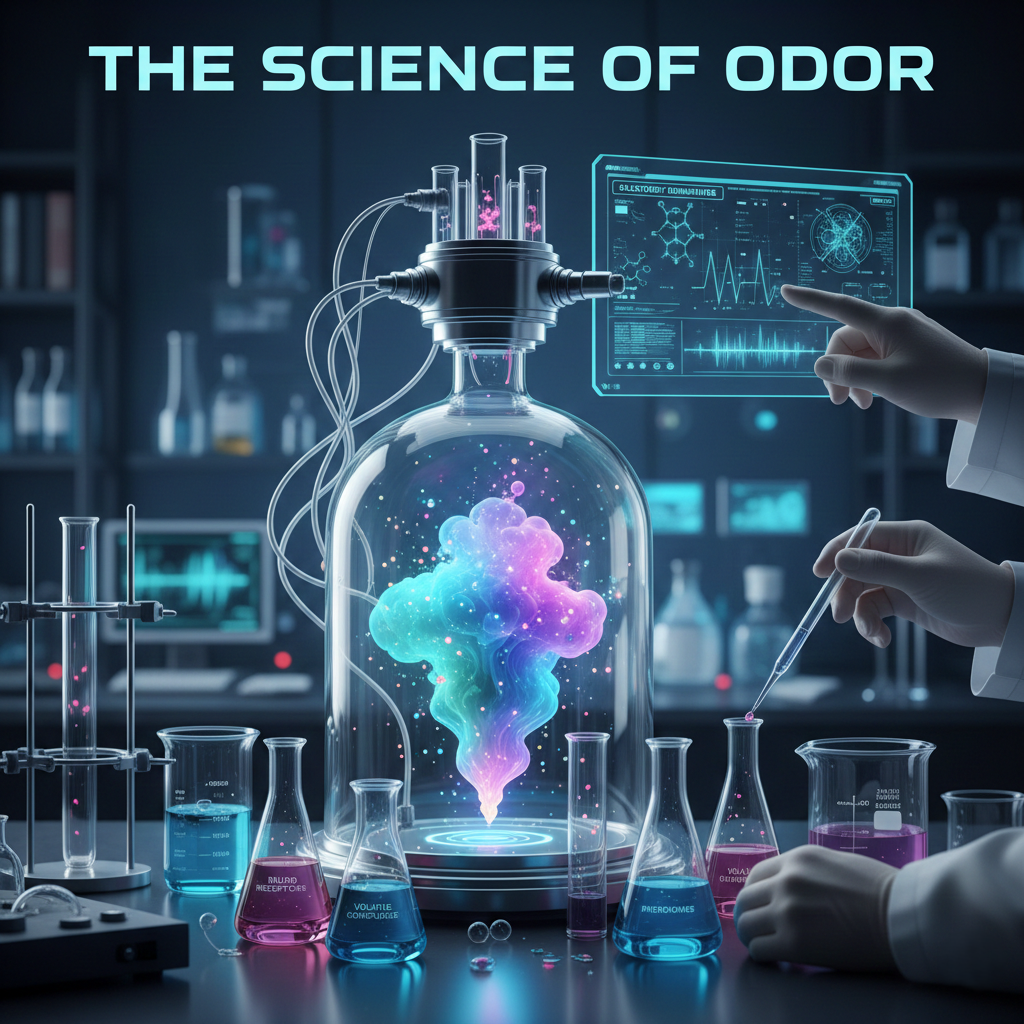
The Science of Odour: From Molecules to Management
Odours are an inescapable part of our environment. From the sharp tang of a wastewater treatment plant to the potent smell of a landfill, unwanted odours are a complex challenge rooted in chemistry, microbiology, and atmospheric science.
While a "bad smell" seems simple, the science behind it is fascinatingly complex. Understanding what causes odour, how we detect it, and how to truly eliminate it is crucial for environmental compliance, workplace safety, and maintaining positive community relations.
This guide breaks down the science of odour, debunks common myths, and explores the modern solutions that target the problem at its source.
What Exactly is Odour? A Chemical and Biological Sensation
At its core, odour is our sensory response to specific chemical molecules in the air. For us to smell something, the compound must be:
- Volatile: Easily evaporate into the air.
- Small: Light enough to travel on the air currents.
- Reactive: Able to bind to the olfactory receptors in our nose.
The human nose is an incredibly sensitive detector, capable of identifying some compounds at concentrations as low as one part per billion (ppb). This means we can often smell an odour long before it reaches a harmful concentration, making effective management essential.



The Usual Suspects: Main Causes of Industrial Odour
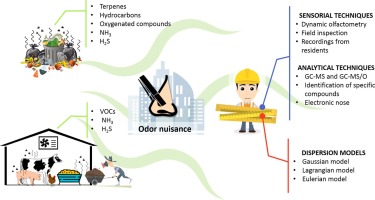
Most industrial odours can be traced to a few key families of chemical compounds.
1. Volatile Organic Compounds (VOCs)
VOCs are a large group of carbon-based chemicals that easily become gases at room temperature. They are emitted by a wide range of processes and often have a sharp, sweet, or solvent-like smell.
- Sources: Petroleum refining, paint manufacturing, food processing, and landfills.
- Common Odorous VOCs: Aldehydes (pungent), ketones (fruity/sweet), and terpenes (citrus/pine). The [United States Environmental Protection Agency (EPA)] provides a comprehensive overview of VOC sources and impacts.
2. Hydrogen Sulphide (H₂S)
This is the classic "rotten egg" gas. It’s produced when sulphur-containing materials decompose without oxygen (anaerobic conditions).
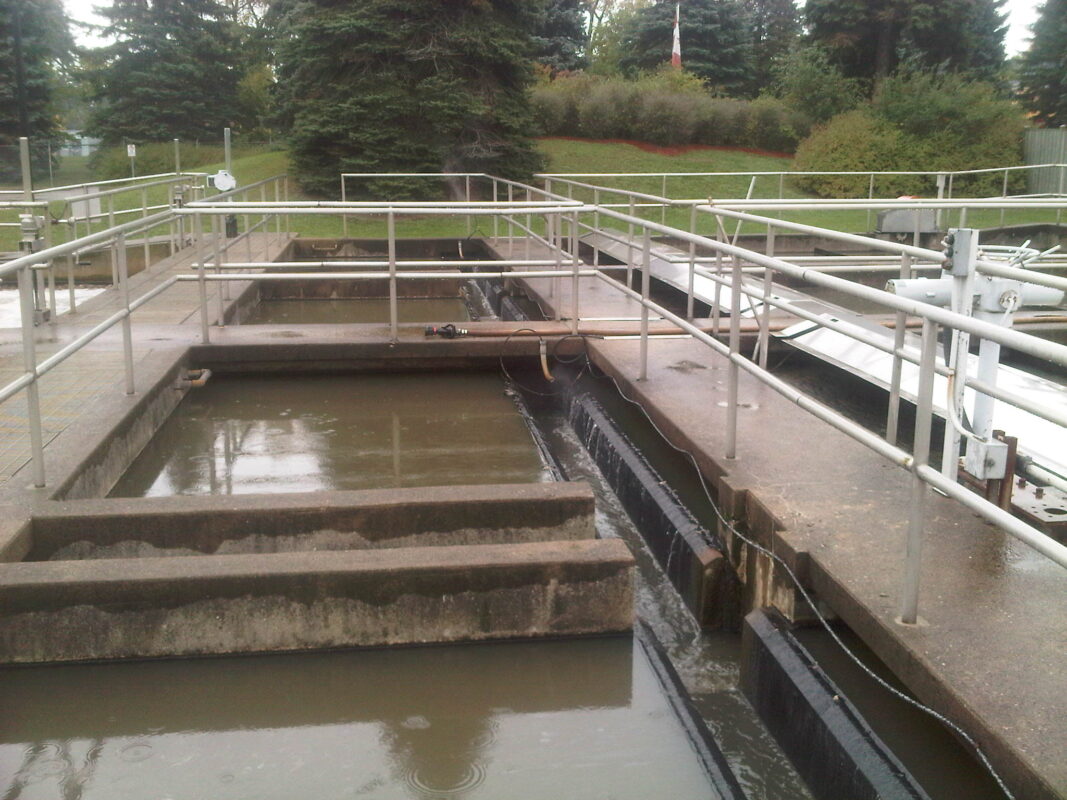
- Sources: Wastewater treatment plants, sewer systems, and pulp and paper mills.
- Health Note: Beyond being unpleasant, H₂S is dangerous at high concentrations. The [Canadian Centre for Occupational Health and Safety (CCOHS)] outlines its specific health risks.
3. Ammonia (NH₃)
Ammonia has a sharp, pungent, and irritating odour, commonly associated with nitrogen-rich waste.
- Sources: Agricultural operations (manure), composting facilities, and food processing plants.
4. Other Sulphur and Nitrogen Compounds
This group includes mercaptans (added to natural gas for leak detection, smells like skunk) and amines (fishy odour), which are often even more potent than H₂S.
How Do These Odours Form?
Odours are created through two primary mechanisms:
- Bacterial Decomposition: Microorganisms breaking down organic waste (like food, sewage, or manure) in low-oxygen environments release VOCs, H₂S, and ammonia.
- Industrial Chemical Processes: Chemical reactions, heating, and volatilization during manufacturing can release odorous compounds directly into the air.
How We Detect and Measure Odour
Reliable detection is the first step toward control. Modern technology offers several methods:
- Electronic Gas Sensors: These devices provide real-time data on specific gases like H₂S or VOCs, measuring concentrations in parts per million (ppm) or billion (ppb). They are essential for safety monitoring.
- Olfactometry (Human Nose Panels): This standardized method uses trained human assessors to determine the dilution factor required to make an air sample non-detectable. It remains a gold standard for regulating nuisance odours.
- Electronic Noses (e-Noses): These sophisticated devices use an array of sensors and artificial intelligence to recognize complex odour patterns, enabling continuous, objective monitoring.
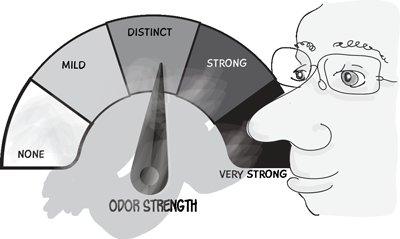
Odour Neutralization vs. Masking: A Critical Difference
This is the most important concept in effective odour control. Many "solutions" simply don't work in the long term.
- Odour Masking involves covering a bad smell with a stronger, more pleasant fragrance. It’s like putting perfume on a garbage can—the source of the problem is still there.
- Odour Neutralization targets and eliminates the odour molecules themselves through a chemical reaction.
How Advanced Neutralization Works (e.g., Ecolo's AirSolution™)
Technologies like AirSolution™ use a chemical-neutralization approach. The formulation contains active compounds that:
- Interact with specific odour molecules (VOCs, H₂S, NH₃).
- Break Down the molecules through chemical reactions like oxidation, rendering them non-volatile.
- Neutralize by converting them into stable, odourless salts or water.
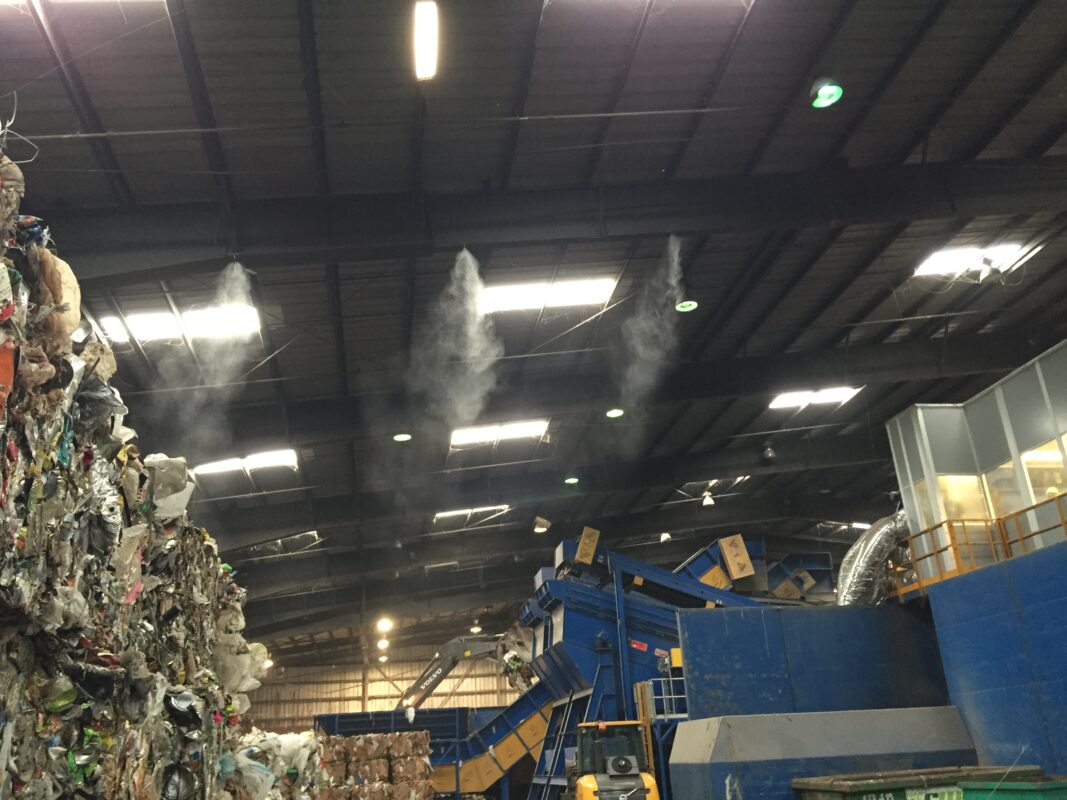
The result is clean air, not a mixture of conflicting scents. This method can be delivered via misting systems, atomizers, or portable units, making it versatile for any industrial setting.
Why Effective Odour Management Matters
Controlling odour isn't just about eliminating a nuisance. It’s about:
- Regulatory Compliance: Governments worldwide are imposing stricter limits on VOC and H₂S emissions.
- Community Relations: Proactive odour control prevents complaints and maintains a company’s social license to operate.
- Worker Safety: Protecting employees from hazardous gases like H₂S is a non-negotiable responsibility.
- Operational Insight: Persistent odours can be a symptom of a process inefficiency, like a failed pump or inadequate aeration.
Conclusion: Clean Air is a Scientific Achievement
Odour is a measurable chemical phenomenon, not just an annoyance. By understanding the science behind VOCs, hydrogen sulphide, and other culprits, industries can move beyond temporary fixes.
With modern detection technology and molecular neutralization solutions like AirSolution™, it's possible to achieve true odour elimination—creating safer, more compliant, and more neighbour-friendly facilities.
Ready to dive deeper into odour control strategies? Explore the resources from the [Water Environment Federation (WEF)] for insights on managing odours in wastewater, a common challenge for many industries.